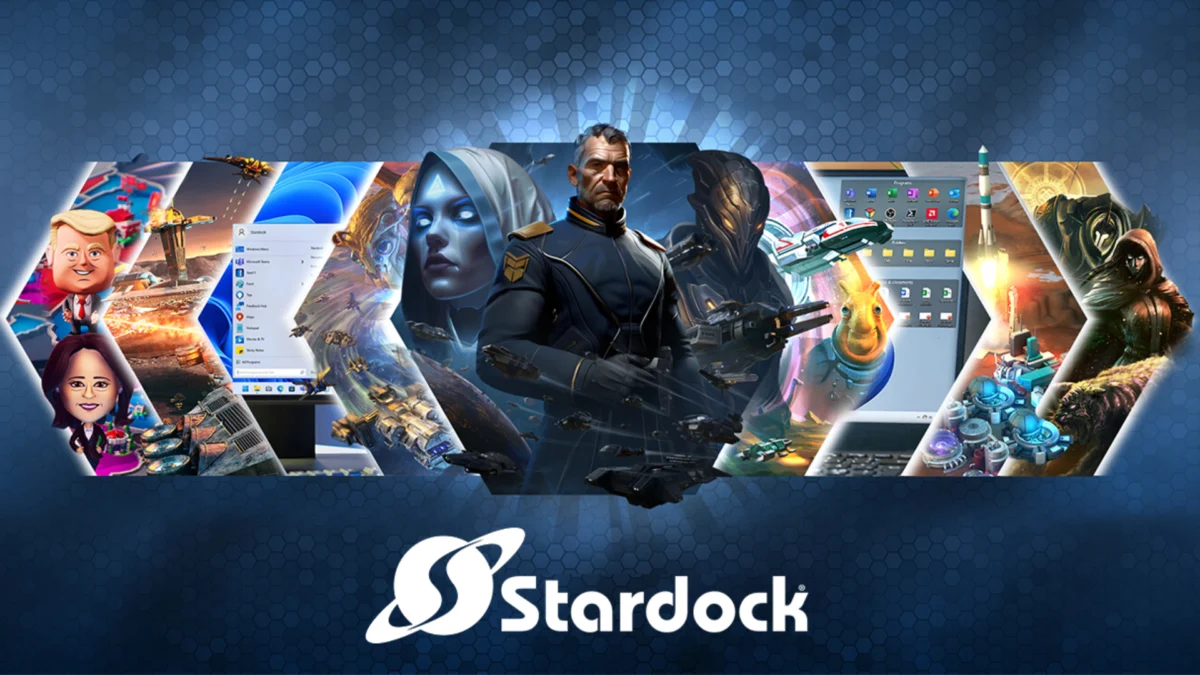
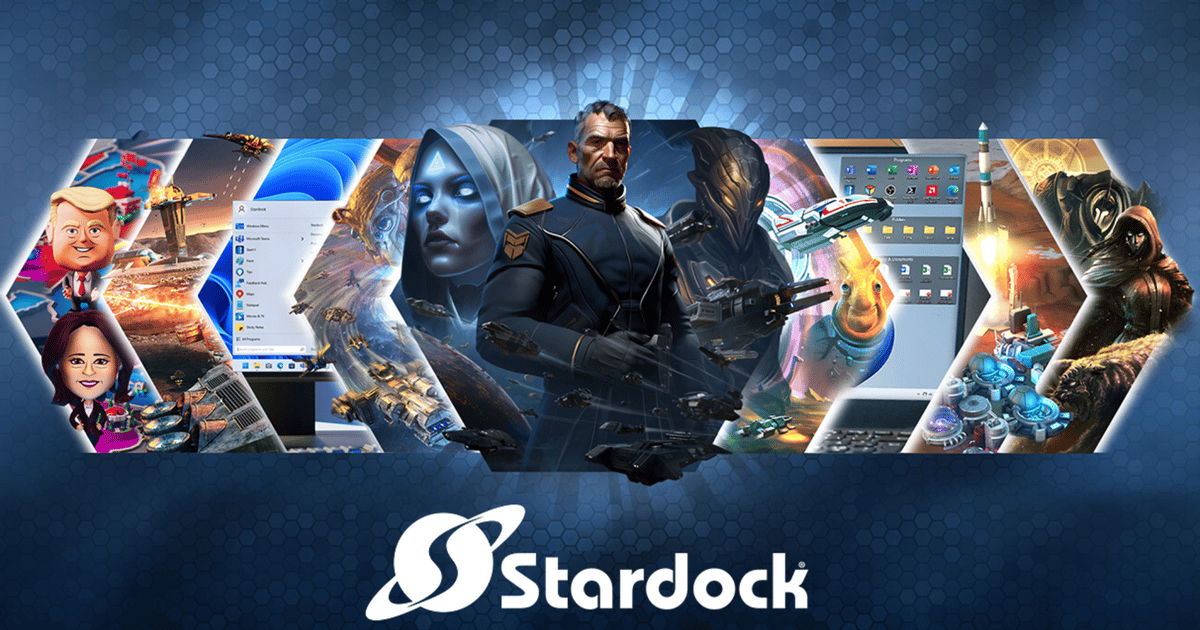
Stardock Entertainment, a company renowned for its contributions to the strategy and simulation genres with titles such as Sins of a Solar Empire and Ashes of the Singularity, has formally announced a significant expansion of its publishing program tailored for independent game developers. This strategic pivot signals a renewed commitment to fostering talent within specific gaming niches, moving towards a highly selective, quality-driven model designed to cultivate enduring partnerships rather than volume.
Understanding Stardock’s Strategic Shift: A New Chapter in Indie Publishing
The cornerstone of Stardock’s revitalized publishing initiative is its stringent selection process: the company plans to sign a maximum of three new titles annually. This deliberate limitation underscores a philosophy centered on depth over breadth, aiming to provide unparalleled support and dedicated resources to each chosen project. The publisher is actively seeking developers specializing in strategy, role-playing game (RPG), or simulation titles, aligning with Stardock’s deep-rooted expertise and established player base in these complex genres. This focus is not arbitrary; it leverages Stardock’s institutional knowledge, marketing acumen, and community engagement capabilities within areas where they possess a proven track record. The intention is to ensure that every game brought under the Stardock umbrella receives the meticulous attention required to thrive in an increasingly competitive market, fostering not just game releases but long-term success stories.
The Evolving Landscape of Game Publishing and Stardock’s Legacy
Stardock’s journey in the gaming industry spans decades, evolving from a utility software developer in the late 1980s and early 1990s to a prominent figure in PC gaming. Founded by Brad Wardell, the company first gained recognition for its desktop enhancement software before transitioning significantly into game development and publishing. Its internal development studios have produced critically acclaimed series like Galactic Civilizations, a staple in the 4X strategy genre, and Fallen Enchantress, an intricate fantasy strategy RPG. This internal development experience has provided Stardock with a unique, developer-centric perspective on the challenges and triumphs of game creation.
Beyond its own creations, Stardock has historically extended its reach into third-party publishing. A notable early success was Sins of a Solar Empire, developed by Ironclad Games and published by Stardock in 2008. This real-time strategy game with 4X elements became a commercial and critical hit, demonstrating Stardock’s capacity to identify promising titles and shepherd them to market success. More recently, Stardock partnered with Oxide Games for the publication of Ashes of the Singularity in 2016, a large-scale real-time strategy game known for its advanced engine and technical prowess. These partnerships illustrate a consistent, albeit evolving, interest in supporting external developers, particularly within the strategy genre.
The broader game publishing landscape has undergone profound transformations over the past decade. The advent of digital distribution platforms like Steam has dramatically lowered the barrier to entry for developers, leading to an explosion in the number of games released annually. While this democratized development, it simultaneously created a "discoverability crisis." Thousands of games are launched each year, making it exceedingly difficult for even high-quality independent titles to cut through the noise and reach their target audience. This environment has necessitated a re-evaluation of the traditional publisher-developer relationship, moving beyond mere financial backing and distribution to encompass comprehensive support in marketing, community building, and post-launch operations. Stardock’s renewed publishing strategy appears to be a direct response to these market realities, positioning itself as a strategic partner equipped to navigate the complexities of modern game launches.
Addressing the Indie Developer’s Dilemma: Beyond Distribution
Brad Wardell, CEO of Stardock Entertainment, articulated the core motivation behind this expanded program in a recent press release, stating, "Over the last few years, we have increasingly seen outstanding new games, after years of development, be released to silence." This observation highlights a pervasive and disheartening challenge for independent studios: the monumental effort of game development often goes unrewarded due to inadequate visibility and support post-launch. Wardell emphasized that the creation of a great game is only part of the equation, stressing the critical importance of ensuring market awareness, robust testing, reliable technical support, and sustained post-release development. These elements, often underestimated or under-resourced by smaller teams, are deemed prerequisites for a successful title.
Stardock’s proposition is to share its "hard-won experience" in these crucial areas with the next generation of game developers. This commitment extends far beyond simply putting a game on digital storefronts. The comprehensive support model Stardock is offering includes:
- Marketing Campaign Management: Designing and executing full-scale marketing strategies to generate hype and awareness.
- Creator Outreach: Engaging with streamers, YouTubers, and gaming influencers to amplify a game’s reach.
- Community Management: Building and nurturing a dedicated player base through active engagement and communication.
- Store Page Strategy: Optimizing digital storefront presence with compelling descriptions, visuals, and pricing strategies to maximize conversions.
- Robust Testing Plans (QA): Implementing thorough quality assurance processes to identify and rectify bugs, ensuring a polished player experience.
- Technical Support: Providing the infrastructure and personnel for reliable customer service and technical assistance post-launch.
- Post-Release Development: Advising and supporting ongoing content updates, patches, and expansions to maintain player engagement and extend a game’s lifecycle.
This holistic approach is designed to alleviate the significant burden on independent developers, allowing them to remain focused on their core strength: game creation. By outsourcing these complex and resource-intensive functions to an experienced partner, studios can dedicate their creative energies to refining gameplay, narrative, and artistic vision.
A Partnership Model: The Oxide Games Precedent
The efficacy of Stardock’s hands-on publishing model is perhaps best exemplified by its partnership with Oxide Games for Ashes of the Singularity. Adrian Wright, General Manager of Oxide Games, provided a compelling testimony to the value of this collaboration. "Stardock ran the entire marketing campaign, creator outreach, community management, store page strategy, all of it, while we stayed focused on making the game," Wright stated. This underscores the transformative impact a truly supportive publisher can have. Oxide Games was able to concentrate its efforts on pushing the boundaries of real-time strategy and engine technology, confident that the vital aspects of market introduction and ongoing player relations were expertly managed by Stardock.
Wright’s further observation, "That’s what a good publishing partner does. They don’t just distribute your game; they make sure the right people know it exists," perfectly encapsulates Stardock’s expanded philosophy. In an era where discoverability is paramount, a publisher’s ability to strategically position a game, generate meaningful buzz, and connect it with its intended audience is arguably as critical as the game’s quality itself. The success of Ashes of the Singularity in a crowded RTS market, driven in part by Stardock’s robust publishing efforts, serves as a tangible case study for prospective independent developers considering this new program.
Implications for the Indie Gaming Ecosystem
Stardock’s refined publishing strategy carries significant implications for the independent gaming ecosystem, particularly within its targeted genres. For developers working on ambitious strategy, RPG, or simulation titles, this program could represent a lifeline. The access to Stardock’s extensive experience, marketing muscle, and technical infrastructure offers a substantial advantage that many indie teams simply cannot replicate on their own. This model promises to reduce the financial and operational risks associated with launching a new IP, potentially increasing the success rate for high-quality, niche titles that might otherwise struggle to find an audience.
From an industry perspective, Stardock’s move aligns with a broader trend of specialized or "boutique" publishing. While large publishers often operate on a high-volume model, smaller, more focused entities are carving out niches by offering deep expertise in specific genres or providing highly personalized support. Stardock’s commitment to only three titles per year positions it firmly within this boutique category, differentiating it from platforms that merely offer distribution services. This approach could encourage a higher standard of quality control and a more collaborative relationship between publisher and developer, fostering genuine long-term partnerships rather than transactional arrangements.
However, the limited number of slots also implies intense competition for independent studios. Developers will need to demonstrate not only the inherent quality and innovation of their games but also a strong alignment with Stardock’s genre focus and a willingness to engage in a deeply collaborative relationship. The opportunity is significant, but so is the challenge of standing out among the myriad of talented developers seeking similar support. For the broader market, if Stardock successfully shepherds these chosen titles to prominence, it could inspire other specialized publishers to adopt similar quality-focused, hands-on approaches, ultimately benefiting the diversity and quality of games available to consumers within these genres.
The Call for Submissions: What Stardock Seeks
As Stardock opens its doors for submissions, the message to independent developers is clear: the company is looking for ambitious, well-crafted games within the strategy, RPG, and simulation categories. This includes diverse sub-genres such as 4X strategy, grand strategy, real-time strategy, turn-based RPGs, tactical RPGs, city-builders, economic simulations, and more. Developers interested in leveraging Stardock’s expertise in marketing, community building, quality assurance, and post-launch support are encouraged to present their projects. The emphasis will undoubtedly be on innovative gameplay, strong core mechanics, and a clear vision for long-term engagement. Stardock’s rich history as both a developer and publisher in these areas positions it as a discerning yet potentially invaluable partner for studios aiming to make a lasting impact in these often complex and dedicated gaming segments.
In conclusion, Stardock Entertainment’s expansion of its indie publishing program represents a calculated and experience-driven effort to address critical challenges facing independent game developers today. By focusing on a limited number of high-quality titles within its areas of expertise and offering comprehensive, hands-on support, Stardock aims to not only publish games but to cultivate successful, enduring partnerships. This strategic initiative could set a new benchmark for publisher-developer relationships, particularly within the competitive and demanding realms of strategy, RPG, and simulation gaming.
About the Author