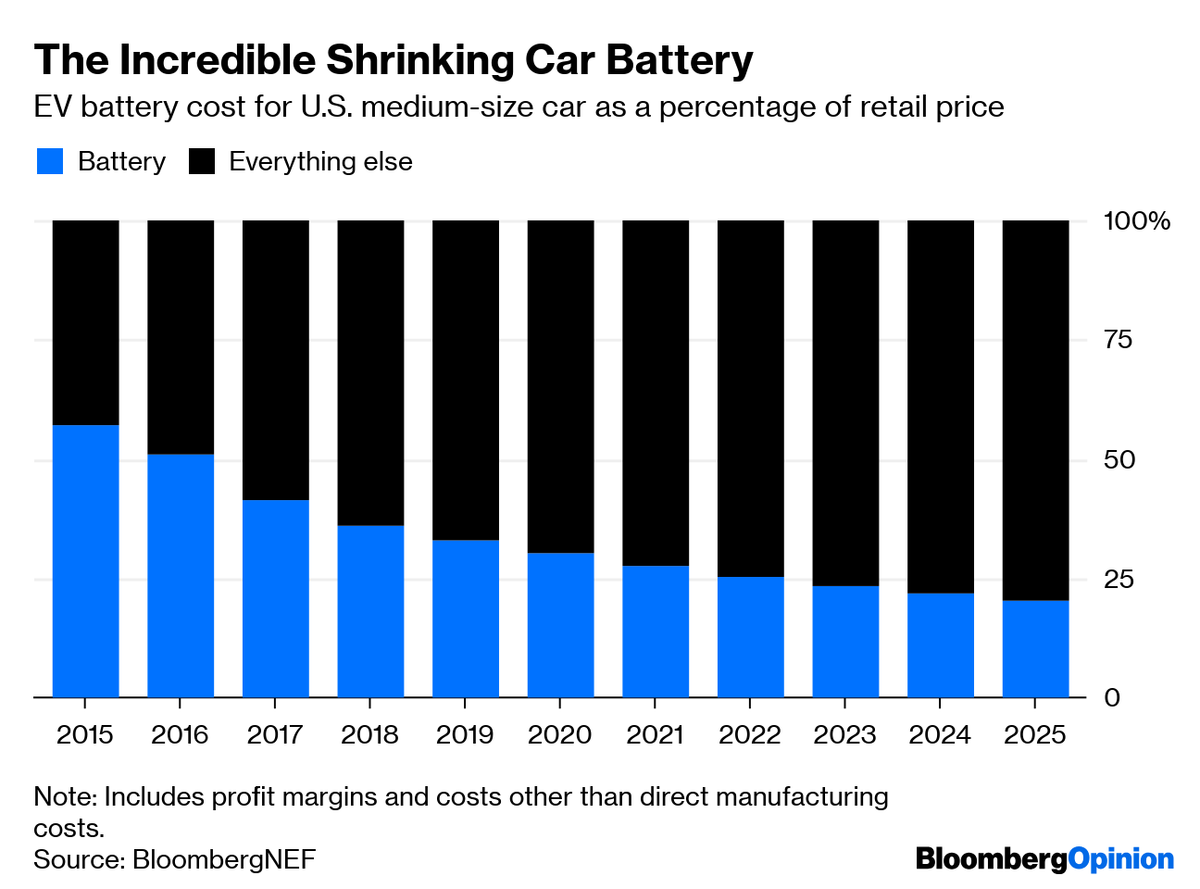
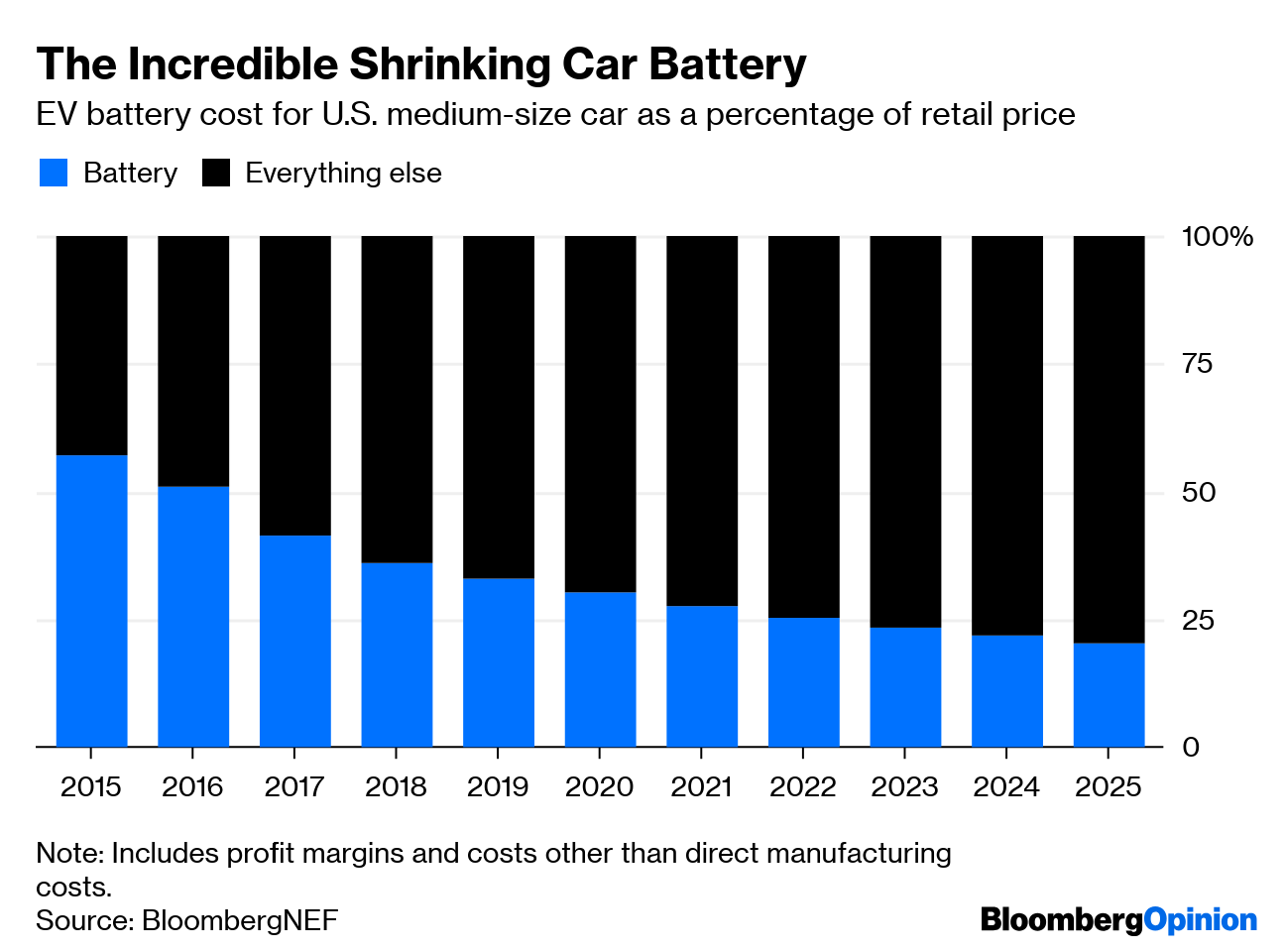
The electric vehicle market, long dominated by the substantial investments required for electric cars, is experiencing a quiet but profound revolution driven by plummeting battery costs, nowhere more evident than in the burgeoning electric scooter sector. While the enormous battery remains a major component of an electric car’s price, the effect of battery cost reductions on electric scooters, inherently lightweight, compact, and simpler machines, has been even more dramatic. This trend is not merely anecdotal; it represents a fundamental shift in the economics of personal transportation, making electric micro-mobility solutions increasingly accessible and viable for urban populations worldwide.
The Battery Revolution: Powering the Micro-mobility Surge
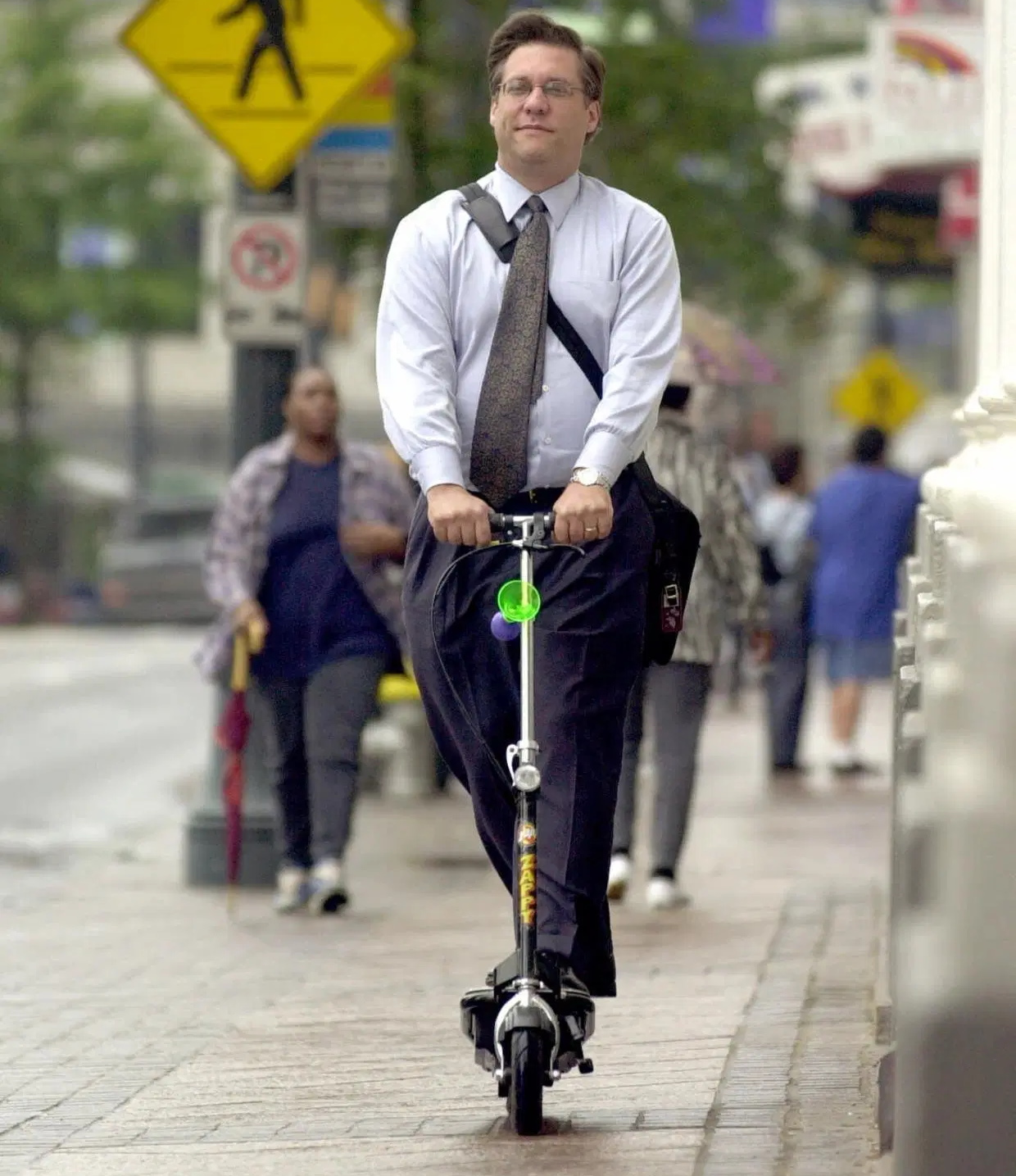
The viability of electric vehicles, from cars to scooters and beyond, hinges almost entirely on advancements in battery technology. For decades, the primary impediment was the prohibitive cost and poor performance of lead-acid batteries. Early attempts at electric scooters, such as the Zappy electric scooter from the early 2000s, were hampered by these limitations. Lead-acid batteries were excessively heavy, lacked sufficient power density, offered limited range, and required lengthy charging times – effectively rendering the vehicles impractical for widespread adoption. This technological bottleneck meant that despite early enthusiasm, the electric vehicle market, including personal mobility devices, struggled to gain traction.
The turning point arrived with the maturation and commercialization of Lithium-ion (Li-ion) battery technology. Li-ion batteries offer significantly higher energy density, lighter weight, faster charging capabilities, and a much longer cycle life compared to their lead-acid predecessors. This technological leap transformed the landscape, making electric vehicles not just technically feasible but economically attractive. Industry data consistently illustrates a steep decline in Li-ion battery prices over the past decade. According to BloombergNEF, the average price of Li-ion battery packs fell from over $1,100 per kilowatt-hour (kWh) in 2010 to around $156/kWh by 2019, and further to an estimated $132/kWh in 2021, with projections for continued decreases. This staggering reduction, driven by economies of scale, improved manufacturing processes, and intense competition, directly translates into lower production costs for all electric vehicles, particularly those where the battery constitutes a significant portion of the total bill of materials, like electric scooters.

Case Study: The Xiaomi Mi M365 and Market Dynamics
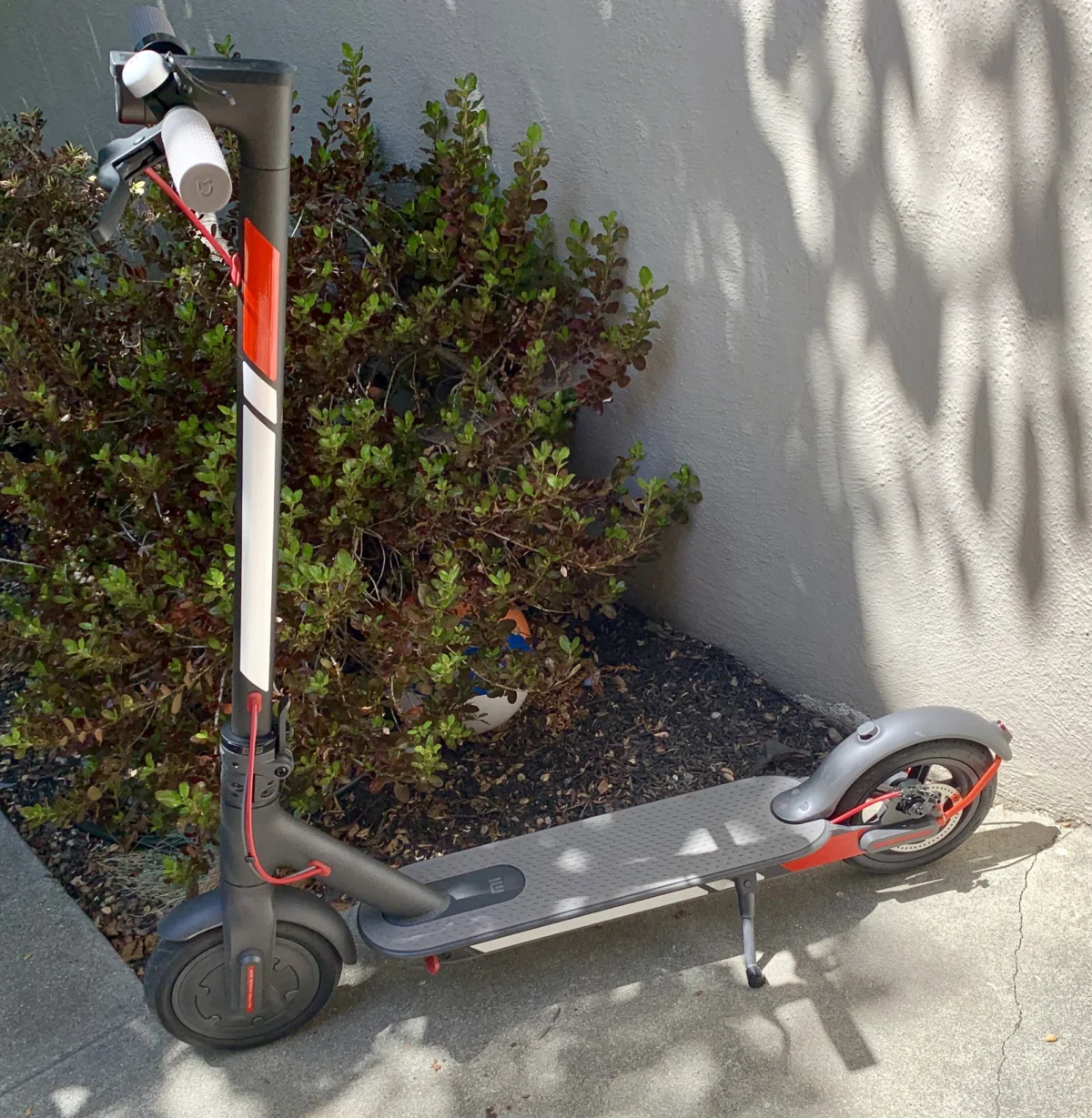
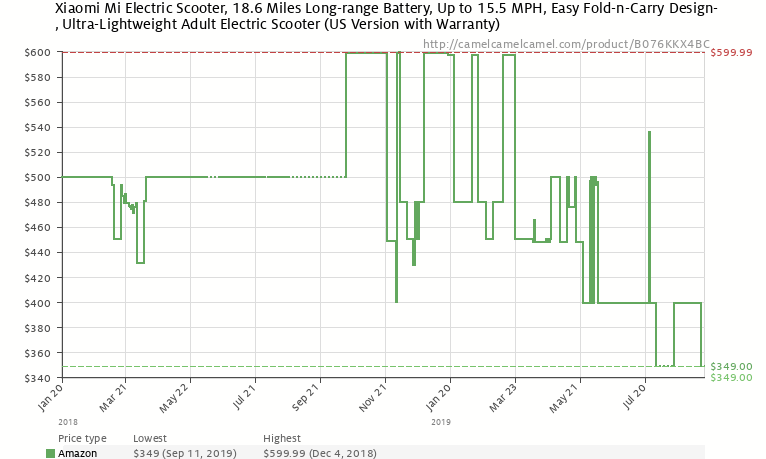
To concretely illustrate the impact of these declining battery costs, one need look no further than the popular Xiaomi Mi M365 electric scooter. Launched in the US market in early 2017, the original price for this model hovered around $800. However, by late 2019, its price had effectively halved, often available for $300-$400, or even less during sales events. This dramatic price reduction over a mere three-year period provides compelling evidence of how falling battery costs, coupled with increased manufacturing efficiency and market competition, can democratize access to electric personal mobility.
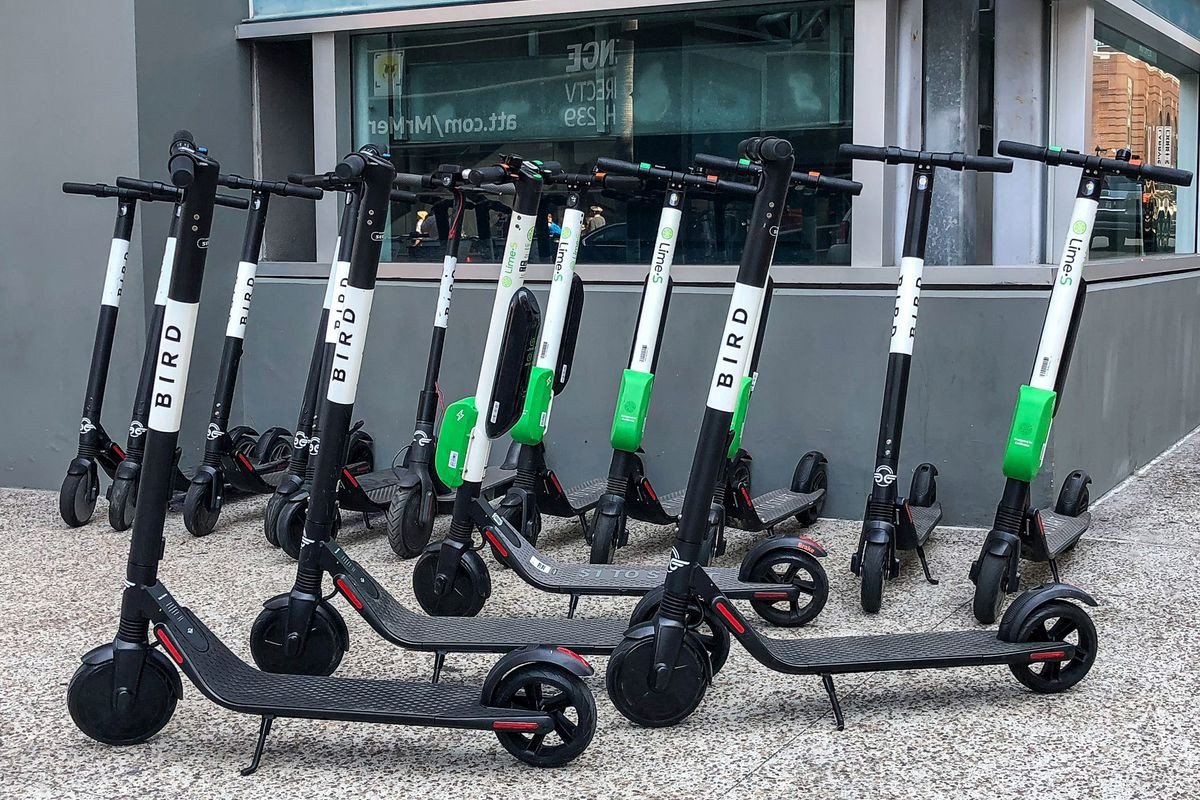
This period of price contraction for the M365 coincided almost perfectly with the explosive rise of the electric scooter smartphone app rental industry. Companies like Bird, Lime, Skip, Spin, and Scoot rapidly deployed fleets of scooters across urban centers globally, fundamentally altering urban transit patterns. Early iterations of these rental fleets frequently utilized slightly modified Xiaomi M365s, underscoring the model’s reliability and cost-effectiveness. The demand generated by these rental companies, which required vast quantities of scooters, undoubtedly contributed to further economies of scale in manufacturing, accelerating the downward price trend for individual consumers.
However, the rental industry itself faced its own set of challenges, including operational costs, vandalism, and the logistical complexities of charging and redistribution. This led to an evolution in their business models, with some companies, like Bird, transitioning from reliance on gig workers for repairs and charging to in-house operations and, in some markets, pivoting towards longer-term monthly rental programs rather than per-minute charges. For example, Bird experimented with offering the Xiaomi M365 for a monthly fee of $25 in cities like San Francisco and Barcelona, a clear indicator of the scooter’s robust value proposition and the industry’s adaptation to market needs. The move towards more rugged, custom-built scooters for rental fleets by late 2018 also reflects the intense usage demands and the need for durability in a shared economy model, further driving innovation and competitive pricing across the manufacturing sector.
Urban Commuting Reimagined: The Role of Electric Scooters
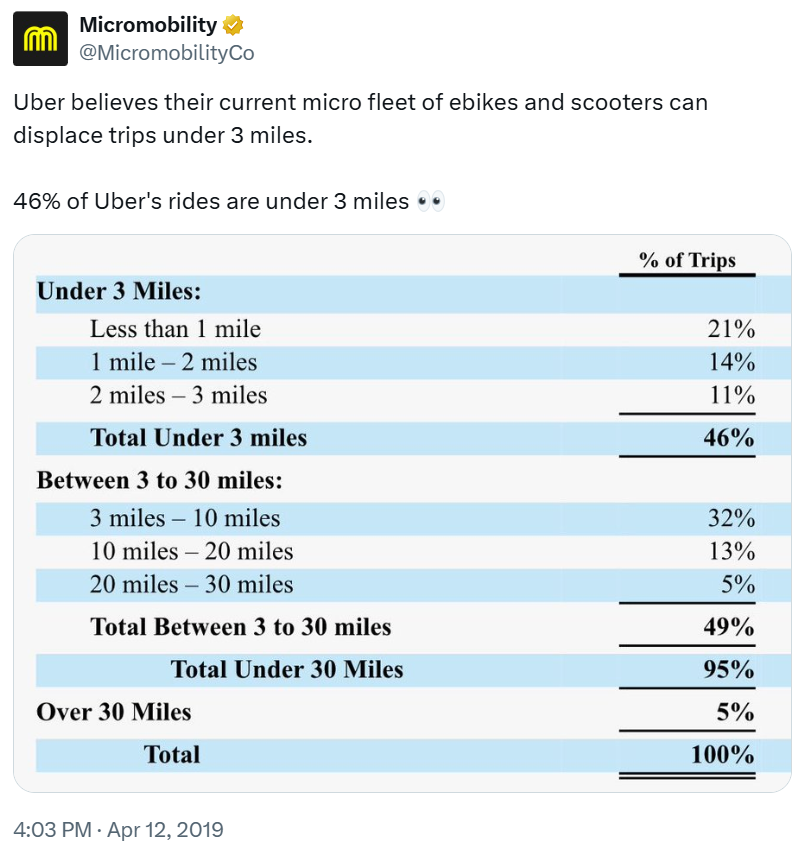
Beyond individual ownership and rental services, the advent of affordable and efficient electric scooters has profound implications for urban transportation planning and daily commuting habits. Major transportation providers, including ride-sharing giants like Uber, have recognized that traditional car-based services are often overkill for short-distance trips. Internal data from Uber, for instance, revealed that a significant portion—up to 46%—of their rides were under three miles. This insight led them to invest heavily in micro-mobility solutions, including electric bicycles and scooters, believing these options can effectively displace a substantial number of these short car trips.
Electric scooters offer a compelling solution to the "last-mile problem"—the challenge of connecting commuters from public transit hubs to their final destinations. They provide a flexible, on-demand, and environmentally friendly alternative to walking or taking a car for distances too short for the latter but too long or inconvenient for the former. The benefits extend beyond individual convenience: widespread adoption of electric scooters can contribute to reduced traffic congestion, lower urban carbon emissions, and diminished demand for parking spaces, all critical issues for modern metropolitan areas.
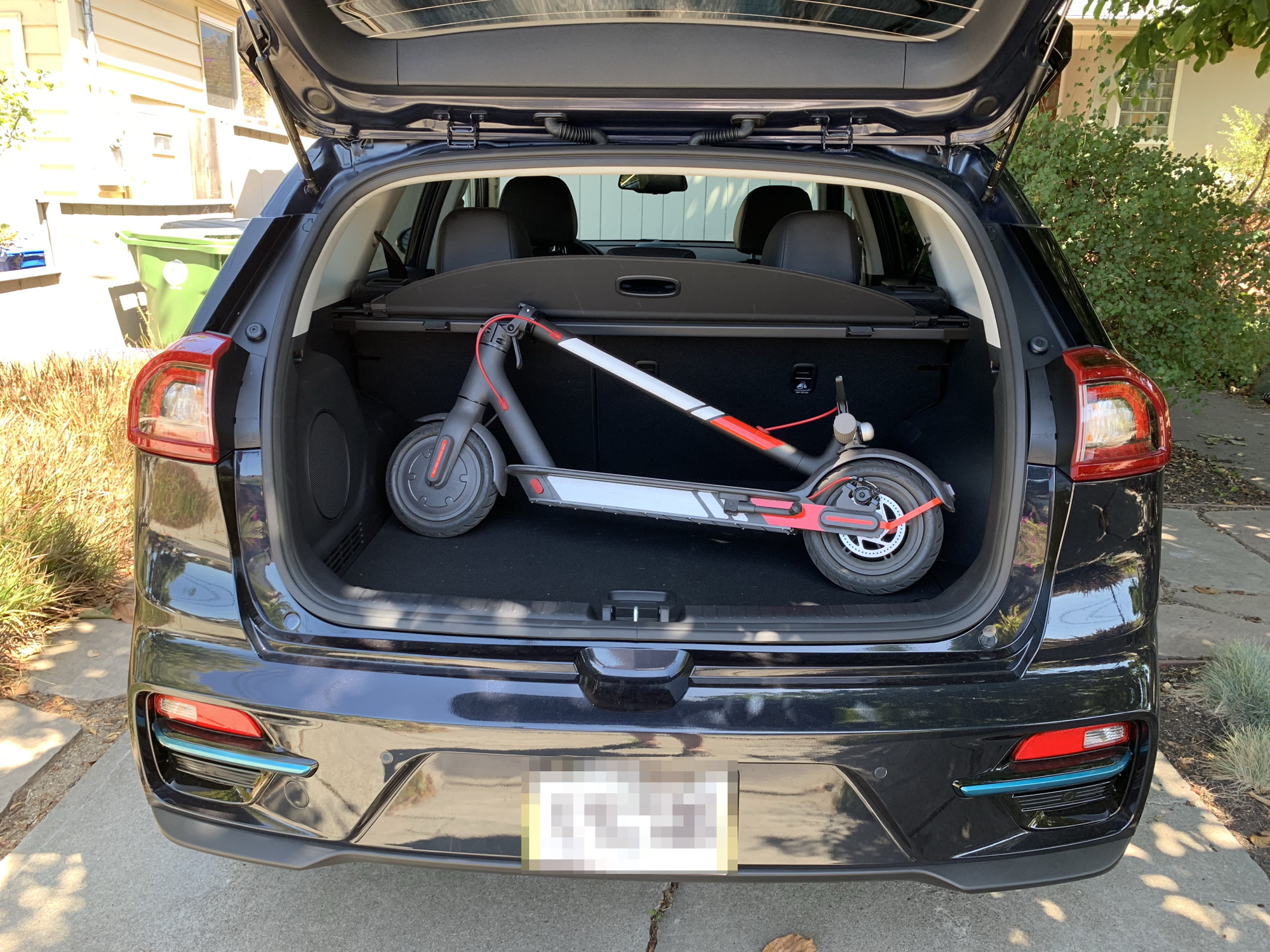
The personal experience of many users, including enthusiasts who have embraced models like the Xiaomi Mi M365, consistently highlights their practicality and enjoyment. Described as "incredibly fun" and offering "great functionality," these scooters are seen as a "no-brainer" investment when available at competitive prices around $300. Their lightweight design, ease of storage, and ability to navigate crowded urban environments make them ideal for quick errands, short commutes, and recreational use. The capacity to fold and store them, even within an electric car, further enhances their utility as part of a multi-modal transportation strategy.
Navigating the Regulatory Landscape
Despite their growing popularity and evident benefits, electric scooters face significant challenges, primarily stemming from a fragmented and often inconsistent regulatory landscape. Local governments worldwide are grappling with how to integrate these novel forms of transportation into existing infrastructure and legal frameworks. Laws vary wildly from city to city, and even within regions, creating confusion for riders and operators alike. For example, in some jurisdictions, electric scooters are treated similarly to bicycles, while in others, they are classified more like mopeds or motorcycles, often requiring specific licenses or prohibiting sidewalk use.
In California, for instance, electric scooter laws enacted in 2019 require riders to possess a valid driver’s license and explicitly disallow operation on sidewalks. While such regulations aim to ensure public safety, critics argue that requiring a driver’s license for a low-speed, lightweight device is an onerous and unnecessary restriction, potentially hindering wider adoption.
One aspect of regulation that generally garners agreement, however, is the imposition of speed restrictions. A top speed of around 15 miles per hour (24 km/h) is widely considered a safe and brisk pace for an adult standing on a scooter without specialized safety equipment. Beyond this speed, the risks of injury in the event of a fall or collision escalate dramatically. The market, however, is witnessing a diversification of models, including high-performance scooters capable of reaching speeds of 40 miles per hour or more. These "monster" scooters, while showcasing technological prowess, raise serious safety concerns and underscore the need for clear guidelines on appropriate usage environments and safety gear.
Beyond legal frameworks, practical considerations for scooter ownership also exist. One common issue highlighted by users is the susceptibility to flat tires on small wheels, which can be particularly challenging to repair. Solutions like tire sealants (e.g., Slime) or the adoption of solid tubeless tires (albeit at the cost of some ride comfort) are common countermeasures. The inherent digital nature of electric vehicles also opens avenues for user customization and even firmware hacking, allowing enthusiasts to tweak performance parameters, though this also introduces considerations regarding warranty and safety.
The evolving market for electric scooters now caters to a wide spectrum of needs and preferences. Beyond the "everyman" models like the M365, consumers can find luxury electric scooters, ultralight options designed for maximum portability, and rugged off-road variants built for more adventurous terrains. The recent release of successors like the Xiaomi M365 Pro, featuring improvements such as a bigger battery, enhanced disc brake, more power, and an improved display, indicates ongoing innovation. While these incremental upgrades are welcome, their value proposition against the significantly lower price of earlier models often dictates consumer choice, reinforcing the M365’s position as a benchmark for affordability and functionality.
From Segway’s Promise to Scooter’s Reality: A Twenty-Year Journey
The current ascendance of the electric scooter market offers a compelling contrast to earlier attempts at personal electric mobility, most notably the Segway. Launched in 2001 amidst immense hype, the Segway Personal Transporter was touted as a revolutionary device that would fundamentally change urban landscapes. With an initial price tag of $5,000, which adjusts to over $7,200 in 2019 dollars, the Segway was prohibitively expensive for most consumers. Despite its technological sophistication, it largely failed to live up to its world-changing promise, becoming more of a niche vehicle for tourists and security guards than a mainstream transportation solution. The cultural perception of the Segway was famously lampooned, cementing its image as a symbol of over-engineered novelty rather than practical utility.
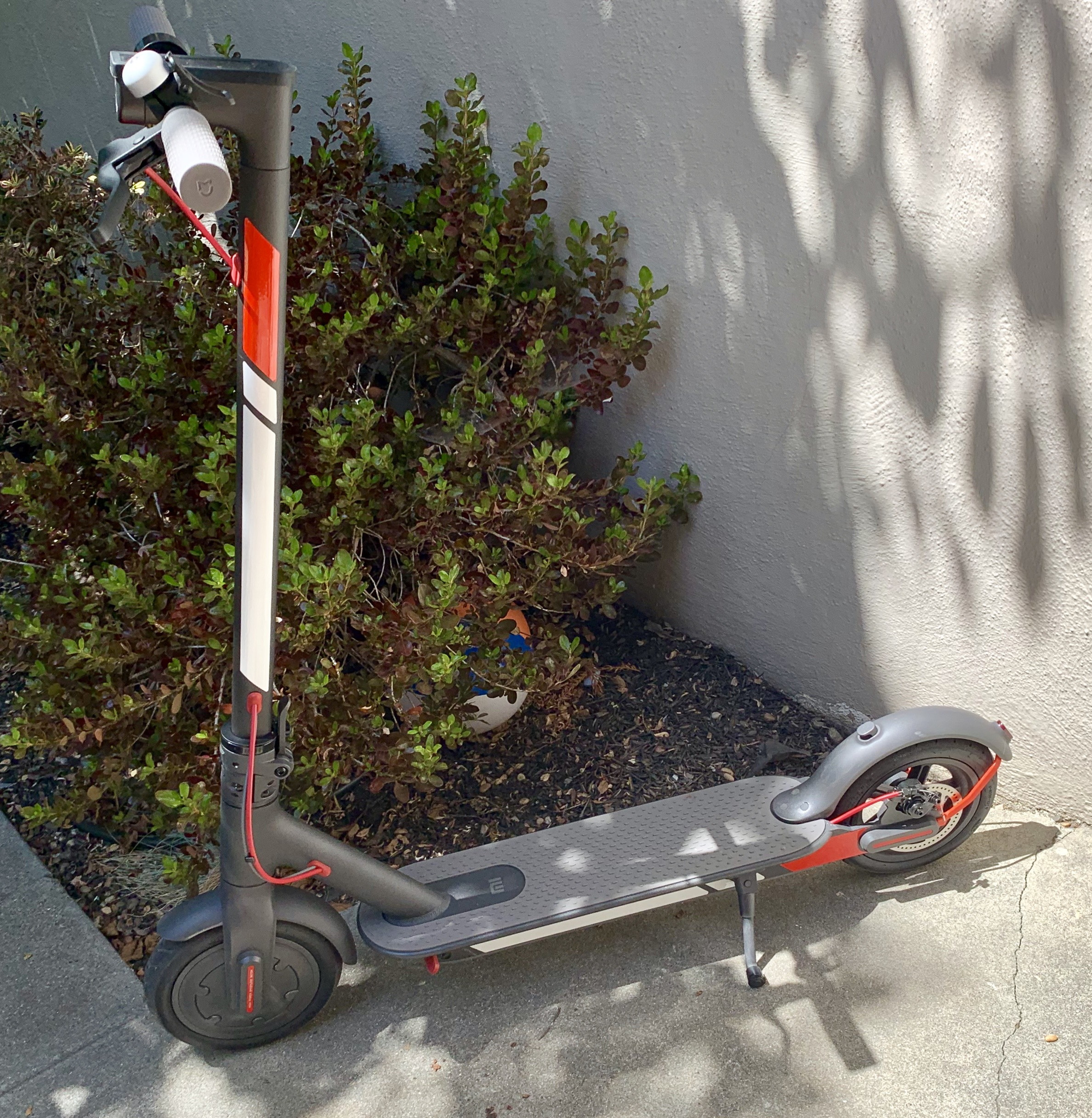
Fast forward nearly two decades, and the affordable electric scooter, exemplified by models available for $200-$300, has become the truly transformational technology the Segway aspired to be. These scooters deliver on the promise of efficient, personal, electric mobility at a fraction of the cost and with a far greater degree of user acceptance and practical integration into daily life. The difference lies not just in price but in simplicity, accessibility, and the organic adoption by urban commuters seeking practical solutions to everyday transportation challenges.
Looking Ahead: The Future of Personal Electric Mobility
The dramatic reduction in electric scooter prices, driven primarily by advancements in lithium-ion battery technology, is not just a commercial success story; it represents a significant step towards more sustainable and efficient urban living. As cities continue to grapple with population growth, congestion, and environmental concerns, micro-mobility solutions like electric scooters will play an increasingly vital role.
The trajectory of electric scooters suggests a future where personal electric transportation is not a luxury but a commonplace utility. Continued innovation in battery technology promises even lighter, more powerful, and longer-lasting devices. As regulatory frameworks mature and infrastructure adapts, the integration of these devices into urban ecosystems will become smoother. While challenges remain in areas such as safety education, theft prevention, and equitable access, the underlying economic forces and consumer demand indicate that electric scooters are poised to be a cornerstone of future urban mobility, ushering in an era of cleaner, more flexible, and more accessible personal travel for millions. The journey, which began with the distant promise of electric cars and the unfulfilled prophecy of the Segway, has finally found its stride on two small, electric wheels.
About the Author