The automotive landscape is undergoing a profound transformation, with electric vehicles (EVs) increasingly moving from niche status to the mainstream. This shift is not merely a technological upgrade but a fundamental redefinition of the driving experience, converting even lifelong automotive skeptics into fervent advocates. A notable example of this evolving consumer sentiment is the journey of Jeff Atwood, a prominent figure in the technology sphere, whose recent acquisition of a 2019 Kia Niro EV has profoundly altered his perception of personal transportation, mirroring a broader societal trend towards electric mobility.
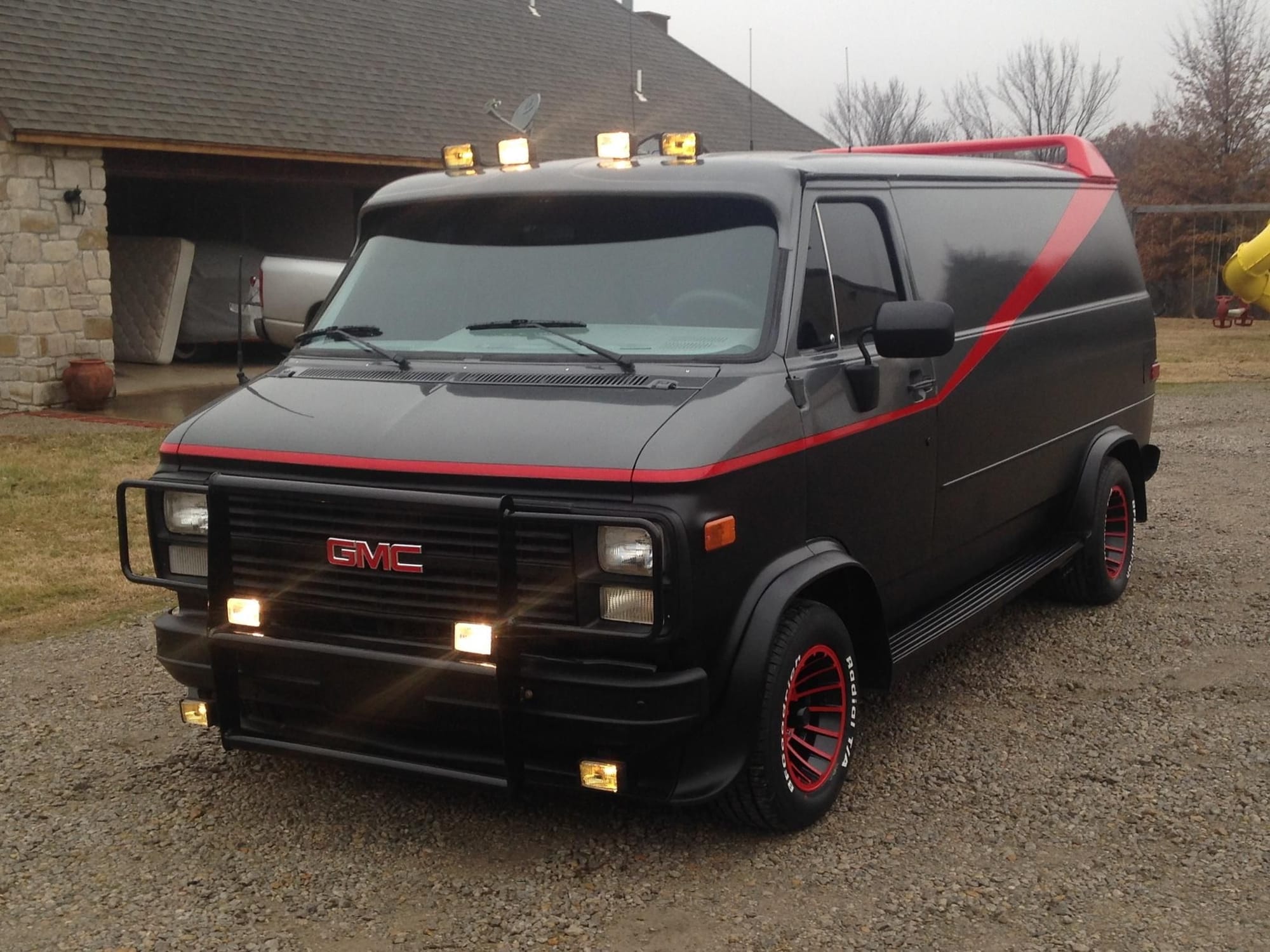
For decades, Atwood self-identified as definitively "not a car person," a sentiment reflected in his purchasing history. His first new car, a quirky 1998 Ford Contour SVT, was followed by purely utilitarian family vehicles: a Volkswagen station wagon in 2011 and a Honda minivan in 2012. These choices underscored a pragmatic approach to cars, viewing them primarily as tools for transportation rather than objects of passion or status. The station wagon, initially suitable for a family of three, proved inadequate following the unexpected arrival of twins, a scenario Atwood humorously likened to a "permanent riot," echoing Mark Twain’s caution against praying for such a blessing. This practical need necessitated the acquisition of a full-sized minivan, a vehicle he, like author Philip Greenspun, found surprisingly "awesome" for its utility and command-center-like efficiency, challenging prevailing perceptions that often favor SUVs. The reference to the iconic A-Team van further solidifies the argument for the minivan’s enduring, albeit often unglamorous, practicality.
This pragmatic approach, however, set the stage for a dramatic re-evaluation when the time came to replace the aging station wagon after seven years. Initially considering hybrid options, a common choice for environmentally conscious drivers, Atwood opted for a complete leap into electric propulsion. This decision, described as a "boil the sea" philosophy, reflected a desire to fully embrace the emerging technology rather than settling for half-measures. The inspiration wasn’t entirely sudden; a 2014 comic by The Oatmeal celebrating the Tesla Model S as an "Intergalactic SpaceBoat of Light and Wonder" had planted a seed of curiosity. Five years later, observing the growing prevalence of EVs on the road, the idea of joining the "leading edge" of electric car ownership became increasingly compelling, culminating in the purchase of a fully electric 2019 Kia Niro.
The experience, Atwood reports, was not merely an incremental upgrade but a transformative event. What began as the acquisition of "yet another car" quickly evolved into a radical shift in worldview. The silent, smooth, and instantly responsive nature of the electric drivetrain rendered the traditional gasoline-powered vehicle—with its "barely controlled liquid fuel detonations"—suddenly feel "deeply unnatural" and, for lack of a better word, "obsolete." This sentiment underscores a growing consensus among new EV owners who report a superior driving experience, characterized by reduced noise, vibration, and emissions, coupled with the convenience of home charging. Indeed, Atwood’s enthusiasm was such that he declared he would "literally sell our Honda minivan tomorrow" if a fully electric equivalent were available, a testament to the profound impact of the EV experience.
This individual transformation mirrors a larger historical arc in the development and adoption of electric vehicles. The journey from experimental curiosity to mainstream viability has been protracted and complex, marked by both setbacks and breakthroughs.

The Protracted History of Electric Vehicles
The concept of electric cars dates back to the 19th century, predating internal combustion engines in some applications. However, early limitations in battery technology and the rise of affordable gasoline cars pushed EVs to the periphery for much of the 20th century. The late 20th century saw a brief resurgence of interest, notably with the General Motors EV1. Introduced between 1996 and 1999, the EV1 was a pioneering, highly experimental vehicle available only for lease in select markets. As chronicled in the documentary "Who Killed the Electric Car?", these early models suffered from significant technological limitations, primarily related to their heavy and costly lead-acid batteries (later nickel-metal hydride). The estimated actual cost of production for an EV1 ranged between $100,000 and $250,000, rendering mass market viability impossible at the time. Despite passionate attachment from its lessees, the program was ultimately discontinued, with GM citing insufficient demand and profitability concerns, leading to the controversial recall and crushing of most units. This period highlighted the immense technological hurdles that needed to be overcome, particularly in battery energy density and cost.
The true "Revenge of the Electric Car," as documented in the sequel film, began to unfold in the mid-2000s with the advent of viable lithium-ion battery technology. This innovation proved to be the game-changer, offering significantly higher energy density, lighter weight, and improved cycle life compared to previous battery chemistries. This era saw the emergence of three highly influential early modern EVs:
- The Tesla Roadster (2008): While priced at a steep $100,000, the Roadster demonstrated that an electric car could be high-performance, desirable, and capable of significant range. It shattered preconceived notions about EVs being slow or unexciting, laying the groundwork for Tesla’s future success and attracting luxury buyers.
- The Nissan Leaf (2010): The Leaf aimed for the mass market, offering an affordable, purpose-built EV. While its initial range of around 73 miles (EPA) was limited by today’s standards, it proved that a practical, family-friendly electric car could be produced in volume, appealing to urban and suburban commuters.
- The Chevrolet Volt (2010): Positioned as an extended-range electric vehicle, the Volt featured a small gasoline engine that primarily acted as a generator to extend the vehicle’s electric range, alleviating "range anxiety." This hybrid approach offered a bridge for consumers wary of full battery-electric limitations, demonstrating flexibility and efficiency.
These vehicles, despite their individual limitations—the Roadster’s cost, the Leaf’s initial range, and the Volt’s hybrid nature—collectively marked a critical turning point. They proved that electric propulsion was not only feasible but could also deliver a compelling driving experience, setting the stage for rapid advancements in the subsequent decade.
Accelerating Adoption and Economic Competitiveness
Fast forward ten years from the launch of these pioneering models, and the EV landscape is dramatically different. The initial hurdles of price, range, and charging infrastructure have been systematically addressed, making EVs increasingly competitive with, and in many aspects superior to, gasoline-powered cars.
Falling Costs and Incentives: The price point for EVs has steadily decreased. While the Tesla Roadster was $100,000, today, models like the Tesla Model 3 start around $38,000, and the Kia Niro EV, similar to Atwood’s purchase, is in a comparable bracket. Crucially, various national and state tax incentives and rebates further reduce the effective purchase price, often bringing it down to around $30,000 or even lower, making them competitive with equivalent internal combustion engine (ICE) vehicles. For instance, the U.S. federal tax credit of up to $7,500, coupled with state-specific incentives, significantly lowers the barrier to entry.
Total Cost of Ownership (TCO): Beyond the sticker price, EVs offer substantial savings in total cost of ownership.
- Fuel Costs: Electricity is generally cheaper per mile than gasoline, especially when charging at home during off-peak hours. According to data from the U.S. Department of Energy, fueling an EV costs roughly half as much as fueling a gasoline car over the course of a year.
- Maintenance: EVs have significantly fewer moving parts than ICE vehicles (no oil changes, spark plugs, timing belts, exhaust systems, etc.), leading to lower maintenance costs. Studies by organizations like Consumer Reports have shown that EV owners save an average of 50% on maintenance over the lifetime of the vehicle.
- Depreciation: While early EVs sometimes suffered from higher depreciation, popular models now hold their value competitively.
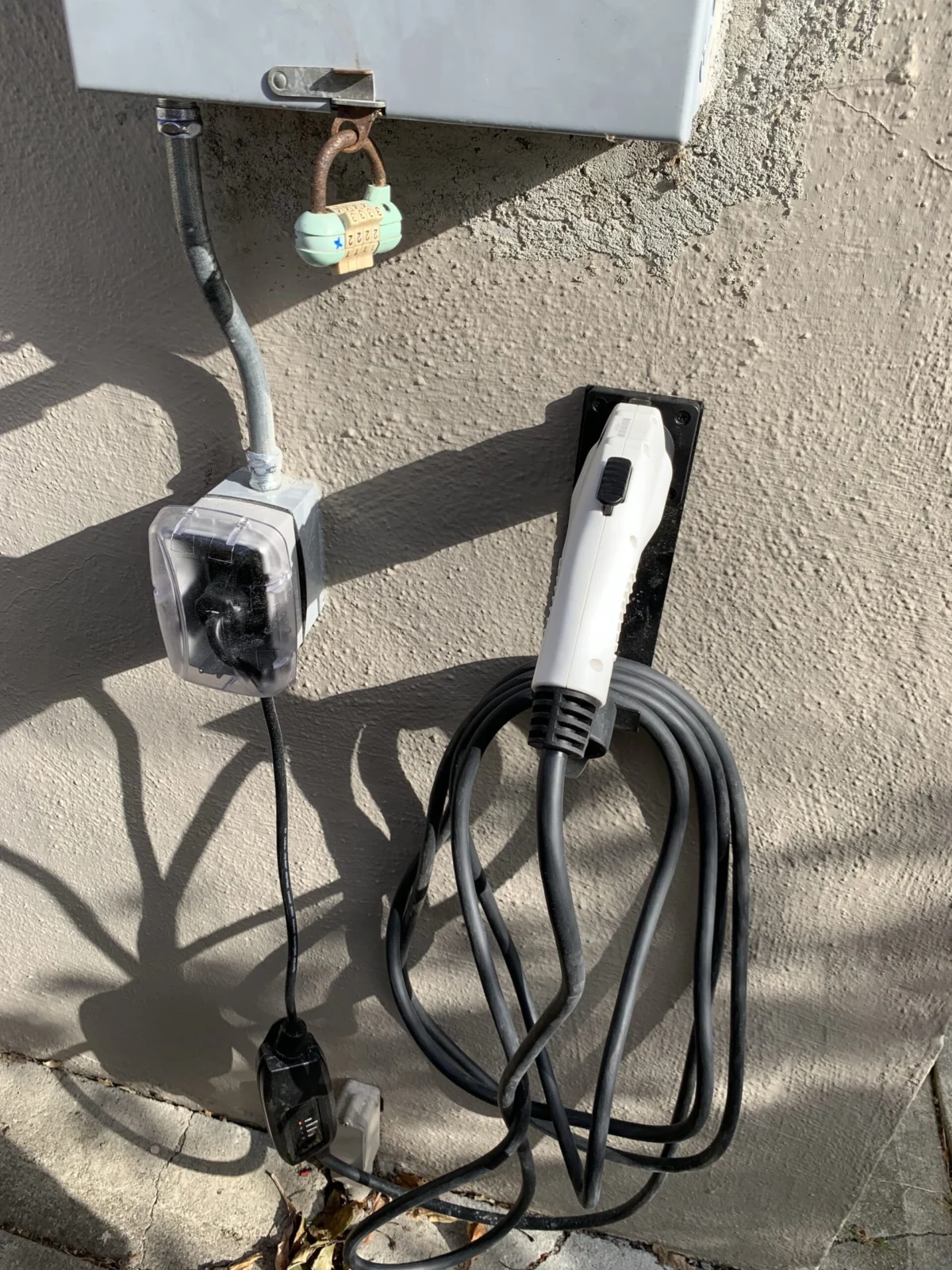
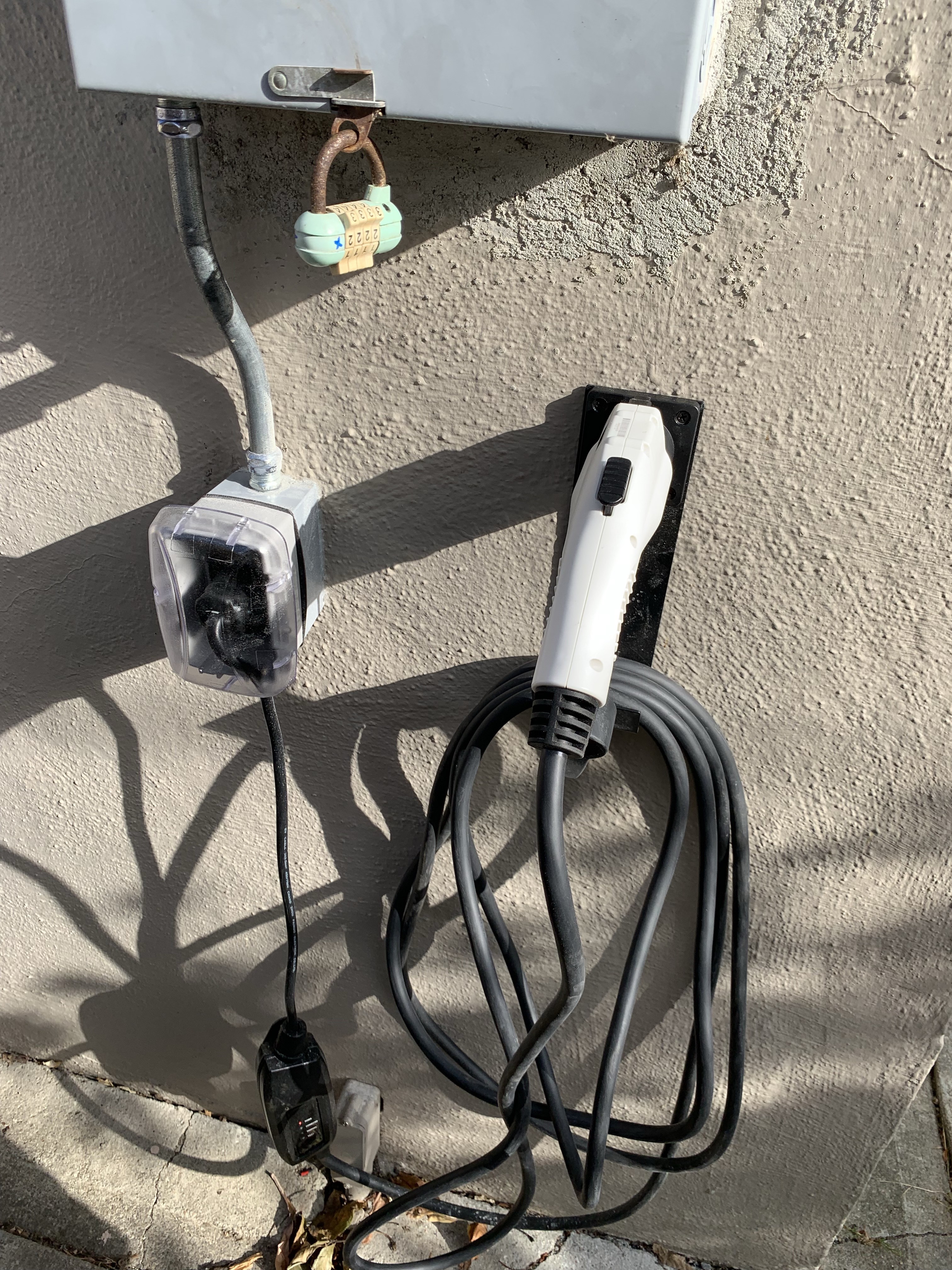
Range and Charging Infrastructure: Modern EVs boast ranges that comfortably exceed the daily driving needs of most consumers. The 2019 Kia Niro EV, for example, offers an EPA-estimated range of 239 miles, more than sufficient for daily commutes and even many road trips. The growth of charging infrastructure, both public and private, has been exponential. Level 2 home chargers (like the one pictured, capable of fully charging overnight) are becoming standard installations for EV owners, while a rapidly expanding network of DC fast chargers along major highways alleviates range anxiety for longer journeys. Companies like Electrify America, EVgo, and Tesla’s Supercharger network are continuously adding new stations, making long-distance EV travel increasingly feasible.
The Experiential Advantage and Broader Implications
The "transformation" described by Atwood is not unique. A significant portion of EV owners report a superior driving experience that goes beyond mere economics or environmental benefits. The instant torque provides brisk acceleration, the absence of engine noise creates a remarkably quiet cabin, and the smooth, linear power delivery offers a refined ride. These attributes contribute to a driving sensation that many describe as inherently more pleasant and less fatiguing than traditional gasoline cars.
Environmental Impact: From a broader societal perspective, the shift to EVs is a critical component of global efforts to combat climate change and improve air quality. Transportation is a major source of greenhouse gas emissions, and EVs, particularly when powered by renewable electricity, drastically reduce carbon footprints. Furthermore, the elimination of tailpipe emissions in urban centers significantly improves local air quality, leading to public health benefits. While the manufacturing process of batteries and the source of electricity remain areas of ongoing debate and improvement, lifecycle analyses consistently demonstrate that EVs have a lower overall carbon footprint than comparable ICE vehicles.
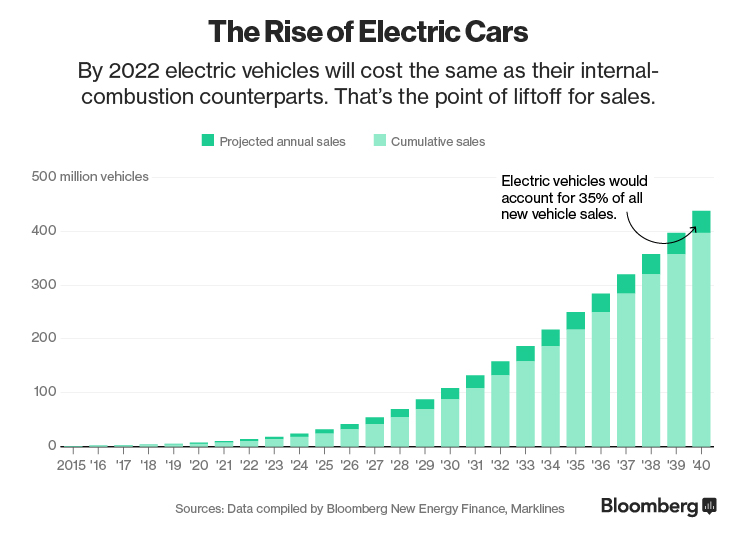
Industry Transformation: Major automotive manufacturers worldwide are investing billions into EV research, development, and production. Companies like General Motors, Ford, Volkswagen, Hyundai, and Kia have announced ambitious plans to electrify their lineups, with many setting targets to phase out ICE vehicle production entirely within the next two decades. This strategic pivot signals a widespread industry acceptance of the inevitable transition to electric mobility. The global EV market is projected to continue its robust growth, with sales figures from organizations like the International Energy Agency (IEA) showing consistent year-on-year increases, even amid broader automotive market fluctuations.
Addressing Persistent Myths: Despite the rapid advancements, some misconceptions about EVs persist.
- Range Anxiety: Modern EVs offer ranges suitable for most daily needs, and the charging infrastructure is continuously expanding. The average American drives less than 40 miles per day, well within the capacity of even entry-level EVs.
- Charging Time: While DC fast charging is available for quick top-ups on long trips, most charging occurs overnight at home or at work, akin to charging a smartphone, making it a seamless part of daily life rather than an inconvenience.
- Performance: Far from being sluggish, EVs often outperform their gasoline counterparts in acceleration due to instant torque delivery.
- Cost: As discussed, the total cost of ownership is increasingly competitive, with upfront costs narrowing and incentives playing a crucial role.
In conclusion, the journey from automotive indifference to electric vehicle advocacy, as exemplified by Jeff Atwood’s experience, is indicative of a monumental shift in the automotive paradigm. Driven by rapid technological advancements, particularly in battery chemistry, coupled with growing economic competitiveness and an inherently superior driving experience, electric vehicles are no longer a futuristic concept but a present-day reality. The historical hurdles have largely been overcome, paving the way for a future where gasoline cars are increasingly viewed as relics of a bygone era. The data on sales, TCO, and infrastructure growth points to an undeniable trajectory. Automotive analysts widely agree that the transition to electric mobility is irreversible, fundamentally reshaping consumer expectations, industry strategies, and global environmental outcomes. The future of personal transportation, as observed by a once-skeptical driver, is indeed "absolutely, inexorably, and unavoidably electric."
About the Author