The extended reality (XR) industry is currently navigating a complex period of transition, characterized by heightened public scrutiny over privacy, significant corporate restructuring among major hardware manufacturers, and a shifting focus from enterprise-grade virtual reality (VR) to consumer-oriented artificial intelligence (AI) wearables. As the sector matures, the tension between technological capability and social acceptance has become a central theme, highlighted by recent reports from major media outlets and strategic pivots by industry leaders such as Lenovo and Luxottica.
The Emerging Privacy Backlash Against Smartglasses
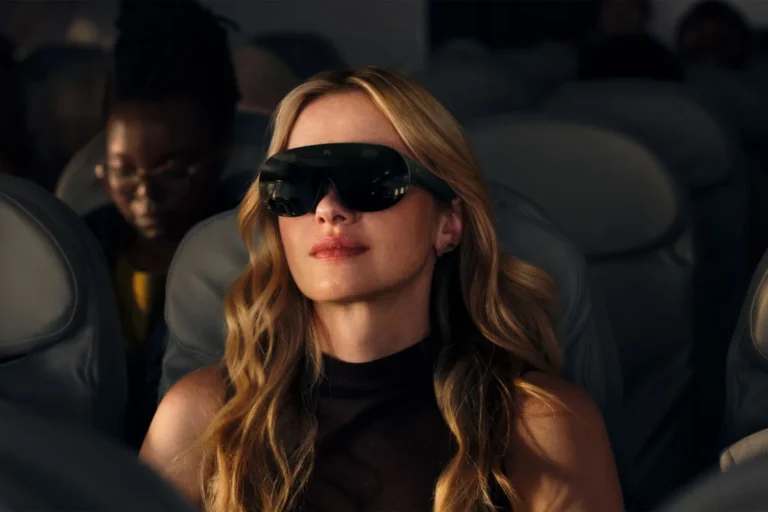
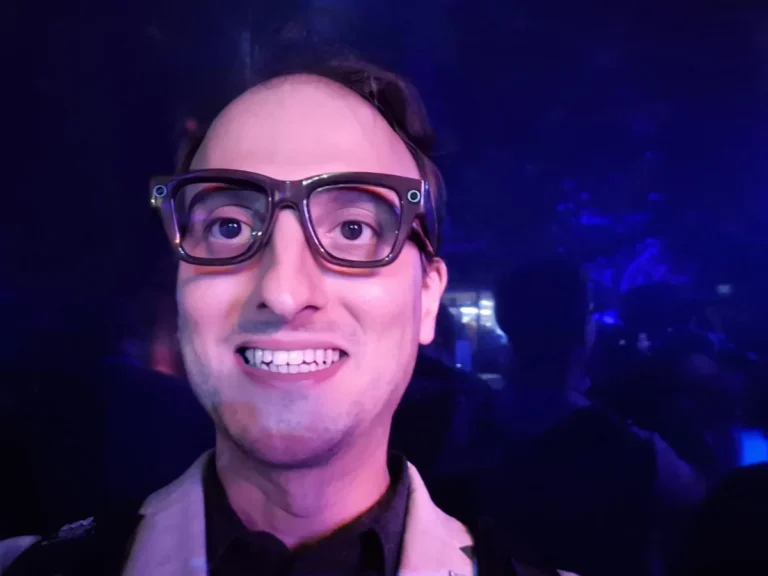
The widespread adoption of camera-equipped smartglasses, most notably the Ray-Ban Meta series, has triggered a significant societal response. Recent investigative reports from outlets including Engadget and The Guardian have documented a growing discomfort regarding the ubiquity of wearable cameras in public spaces. This phenomenon, colloquially referred to in some circles as a backlash against "pervert glasses," stems from documented instances where individuals have used the devices to record others without consent.
A primary technical concern involves the ease with which the recording indicator LED—a safety feature designed to alert bystanders when the camera is active—can be tampered with or obscured. Furthermore, privacy advocates have raised alarms regarding Meta’s data handling practices. Reports indicate that private images captured by users have, in some instances, been sent to human reviewers in international jurisdictions, such as Nigeria, for AI training purposes. Additionally, the potential for Meta to integrate facial recognition technology into these devices has exacerbated fears of a "surveillance state" becoming integrated into everyday fashion.
This social friction echoes the "Glasshole" era of 2013, when Google Glass faced similar hostility. However, unlike the niche adoption of Google Glass, the Ray-Ban Meta glasses have achieved significant commercial success. Industry analysts are currently monitoring whether this friction will result in a permanent stigma that limits the use of smartglasses in public or if, like the smartphone before it, the technology will eventually achieve social normalization despite lingering privacy trade-offs.

Lenovo Restructures XR Division Amid Strategy Shift
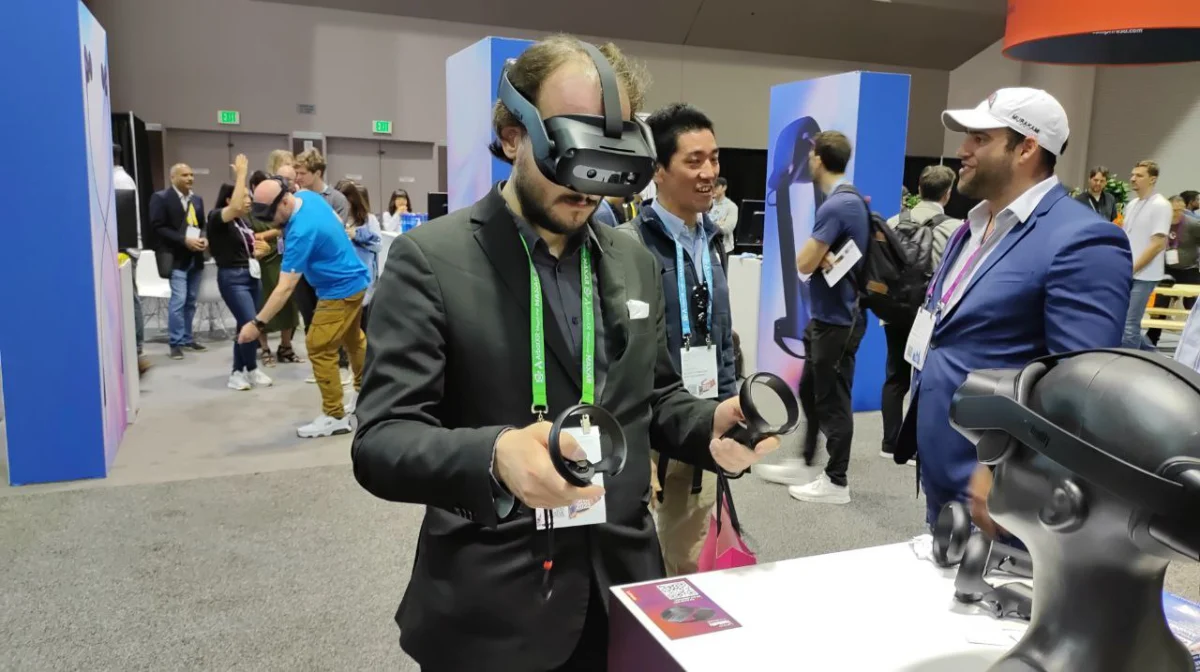
In a significant move reflecting the current volatility of the high-end VR market, Lenovo has confirmed the layoff of its XR business division in the United States. This decision marks a departure from the company’s "business-first" strategy, which previously centered on the ThinkReality brand of enterprise headsets.
In an official statement, Lenovo detailed a strategic pivot toward consumer-focused, AI-enabled wearables managed under its Motorola brand. The company stated: "As the XR market evolves, we see stronger momentum and broader consumer adoption around AI-enabled wearables. Lenovo is transitioning to a more centralized organization focused on strengthening our ecosystem of AI-enabled consumer wearable devices."
This restructuring follows the reported cancellation of a high-end VR headset that Lenovo was developing in partnership with Meta for the Horizon OS ecosystem. The withdrawal suggests that even established technology giants are recalibrating their investments as the "VR Winter"—a period of slowed growth and high development costs—continues to impact the hardware sector. Lenovo’s future efforts will reportedly focus on integrating AI across its portfolio of PCs, tablets, and smartphones, treating wearables as an extension of a unified personal AI experience.
Luxottica Consolidates Power with Lynx Asset Acquisition
The landscape of independent XR hardware has shifted following the judicial liquidation of the French startup Lynx. It has been officially confirmed that EssilorLuxottica, the world’s largest eyewear company and Meta’s primary partner for smartglasses, has acquired the liquidated assets of Lynx.
Stan Larroque, the founder and CEO of Lynx, confirmed the acquisition, noting that a significant portion of the Lynx engineering team has been rehired by Luxottica. While it is unlikely that the long-delayed Lynx R2 headset will see a consumer release under the new ownership, the acquisition provides Luxottica with a robust portfolio of intellectual property, particularly in the realm of specialized optics and mixed reality (MR) hardware.

Industry observers suggest this move may be a strategic hedge by Luxottica. By owning its own XR technology stack, the company reduces its long-term dependence on Meta, potentially allowing it to develop proprietary smart eyewear should the current partnership dissolve. Following the transition, Larroque has reportedly moved to a role at the drone manufacturer Parrot, signaling the end of an era for one of Europe’s most watched XR startups.
Innovations in Hardware and Industrial Applications
Despite corporate consolidation, technical innovation continues to advance, particularly in the realm of miniaturization and specialized use cases.
Palmer Luckey’s Advanced AR Tease
Palmer Luckey, the founder of Oculus and current head of the defense tech firm Anduril, recently showcased a prototype of augmented reality (AR) glasses that maintain the form factor of standard eyewear while allegedly providing a full-color, wide-field-of-view (FOV) display. While technical specifications and "through-the-lens" evidence remain unavailable to the public, the prototype suggests that military-grade R&D is pushing the boundaries of AR optics closer to the "holy grail" of high-performance, low-profile hardware.
Valve and the SteamVR Ecosystem
Valve has released a comprehensive update to the SteamVR dashboard, fueling speculation regarding the imminent launch of new hardware, colloquially referred to as the "Steam Frame." However, the company has tempered expectations regarding affordability. In recent communications, Valve representatives noted that the global hardware pricing situation, particularly regarding memory components, is worsening. This suggests that any forthcoming Valve hardware will likely be positioned as a premium enthusiast product rather than a budget-friendly consumer device.
Gaussian Splatting for Enterprise Training
In the field of software and training, the application of Gaussian Splatting—a technique for high-fidelity 3D reconstruction—is moving beyond entertainment. Gracia, in collaboration with Imperial College London, has demonstrated the use of volumetric video for technical training. By recording soldering processes in 3D, students can observe intricate manual tasks from any angle with photographic realism. This application highlights the potential for XR to revolutionize vocational training by providing a level of visual detail that traditional 2D video cannot replicate.

Regulatory and Ethical Developments
The regulatory environment for XR is also evolving. The European Union has recently granted an exemption for smartglasses from certain strict repairability and battery-access rules that apply to smartphones. This exemption acknowledges the unique engineering challenges of wearable devices, where structural integrity and weight are paramount.
On the ethical front, the VR development community has faced internal turmoil following the arrest of the lead developer of "Tactical Assault VR" for crimes involving minors. Partners and collaborators have moved swiftly to cut ties with the project, and the developer has stepped down from his role. This incident has sparked a broader conversation within the industry regarding developer accountability and the safety of online VR communities.
Market Outlook and Summary
The XR industry currently exists in a state of dual reality. On one hand, the "AI wearable" segment is seeing rapid growth and consumer interest, driven by the integration of large language models into stylish eyewear. On the other hand, the traditional VR hardware market is undergoing a painful correction, as evidenced by Lenovo’s layoffs and the liquidation of startups like Lynx.
As the industry moves toward the final quarter of the year, the focus will likely remain on the "social contract" of wearable cameras and the ability of manufacturers to navigate rising component costs. With major events like Venice Immersive showcasing the artistic potential of the medium and companies like Sony offering deep discounts to expand the PSVR2 user base, the sector continues to seek a balance between technological ambition and market viability.
About the Author