
The automotive landscape is undergoing a profound transformation, marked by a growing number of drivers abandoning traditional gasoline-powered vehicles in favor of electric alternatives. This shift, once considered a niche interest for environmental enthusiasts or early adopters, is increasingly becoming a mainstream phenomenon, driven by technological advancements, economic incentives, and a superior driving experience. The journey from skepticism to fervent advocacy for electric vehicles (EVs) reflects a broader societal evolution in understanding sustainable transportation and the intrinsic benefits of electrification.
A Shifting Automotive Paradigm
For decades, the internal combustion engine (ICE) car reigned supreme, often viewed as an indispensable tool for personal mobility, with little thought given to its operational mechanics beyond refueling. However, the emergence of viable electric vehicles is challenging this deeply entrenched perspective, revealing a newfound appreciation for the quiet efficiency and performance of electric powertrains. What was once perceived as "just another car" is now being recognized by many as a revolutionary step forward, fundamentally altering the perception of what automotive transportation can and should be.
The notion that minivans, often maligned for their utilitarian image, could be considered "swagger wagons" by some drivers highlights a similar re-evaluation of practical vehicle design. This perspective, which champions minivans for their superior interior space, accessibility, and family-friendly functionality over the aesthetic appeal of SUVs, mirrors the evolving embrace of EVs. Just as a full-sized minivan proves essential for managing the demands of a growing family, a fully electric vehicle is increasingly seen as the optimal choice for modern transportation needs, even for individuals who previously held little interest in automotive trends.

The Rise of Electric Vehicles: A Chronological Overview
The path to mainstream EV adoption has been protracted and complex, marked by periods of promising innovation followed by significant setbacks.
The Early Promise and Subsequent Retreat (1990s): The GM EV1
The late 20th century saw a brief but significant foray into modern electric vehicle production with the General Motors EV1, launched between 1996 and 1999. This highly experimental vehicle, primarily available through lease programs, captivated its drivers with its silent operation and instant torque, fostering an unexpected loyalty. However, the EV1 faced insurmountable challenges rooted in nascent battery technology. Early models were burdened by heavy and inefficient lead-acid batteries, with later iterations adopting nickel-metal hydride (NiMH) cells. The estimated production cost, reportedly between $100,000 and $250,000 per unit, made commercial viability impossible without substantial subsidies. The subsequent recall and destruction of most EV1s, as chronicled in the documentary "Who Killed the Electric Car?", fueled public debate and highlighted the formidable economic and technological hurdles of the era. The primary factor in its demise was not a conspiracy, but rather the prohibitive cost and underdeveloped battery technology of the time.
The Dawn of the Modern EV Era (2000s): Lithium-Ion and Market Re-Entry
The true inflection point for electric vehicles arrived with the commercialization of lithium-ion (Li-ion) batteries. This breakthrough technology, offering significantly higher energy density and lighter weight compared to previous chemistries, made practical, longer-range EVs a tangible reality. The documentary "Revenge of the Electric Car" effectively captures this pivotal period, tracing the efforts of pioneering companies and established automakers to reintroduce EVs to the market.
Key models from this era, launched between 2005 and 2008, laid the groundwork for today’s EV landscape:

- Tesla Roadster: Priced around $100,000, the Roadster demonstrated that electric cars could be high-performance, desirable vehicles, fundamentally challenging the perception of EVs as golf carts. Its success, albeit in a luxury niche, proved the viability of electric powertrains for demanding applications.
- Nissan Leaf: As one of the first mass-market all-electric vehicles, the Leaf aimed for affordability and broader consumer appeal. While its initial range was limited, it played a crucial role in introducing many drivers to the practicalities of EV ownership.
- Chevrolet Volt: This plug-in hybrid electric vehicle (PHEV) offered a bridge solution, combining a significant electric-only range with a gasoline engine extender, mitigating range anxiety and appealing to a wider audience still hesitant about full electrification.
These vehicles, despite their individual limitations—the Roadster’s high cost, the Leaf’s restricted range, and the Volt’s hybrid nature—collectively signaled a new era for electric mobility, demonstrating that EVs could be well-conceived products ready for volume production.
Current Market Dynamics and Viability
Fast forward a decade, and the EV market has matured significantly. The landscape is now characterized by greater affordability, extended range, and a rapidly expanding ecosystem of charging infrastructure. Models such as the Tesla Model 3 and the 2019 Kia Niro EV, both priced around $38,000 before incentives, exemplify this progress. After factoring in national and state tax credits and rebates, the effective purchase price for many consumers can fall to approximately $30,000, making them increasingly competitive with comparable gasoline-powered vehicles.
Comparative Economics and Total Cost of Ownership (TCO):
While the initial purchase price of an EV might still be slightly higher than an equivalent ICE vehicle in some segments, the total cost of ownership (TCO) often tips the scales in favor of electric. Data from various sources, including Corporate Knights, indicates that EVs are already competitive on TCO in 2019. This is largely due to:
- Lower Fuel Costs: Electricity is generally cheaper per mile than gasoline, especially when charging at home during off-peak hours.
- Reduced Maintenance: EVs have fewer moving parts than ICE vehicles, leading to fewer maintenance requirements and lower associated costs. No oil changes, spark plug replacements, or complex transmission servicing are needed.
- Government Incentives: Tax credits, rebates, and other incentives significantly reduce the upfront cost of many EVs.
- Resale Value: Certain EV models have demonstrated strong resale values, further enhancing their long-term economic appeal.
The Transformative Driving Experience
Beyond economic considerations, the driving experience offered by modern electric vehicles is a primary catalyst for the widespread shift in consumer perception. The transition from a gasoline-powered vehicle to an EV often elicits a profound sense of revelation, particularly for drivers who previously expressed little interest in automotive technology.

Key aspects contributing to this transformative experience include:
- Instant Torque and Smooth Acceleration: Electric motors deliver maximum torque from a standstill, providing immediate and seamless acceleration that many drivers describe as exhilarating.
- Quiet Operation: The absence of engine noise and vibrations contributes to a remarkably serene cabin environment, reducing driver fatigue and enhancing passenger comfort.
- Regenerative Braking: This technology captures kinetic energy during deceleration and converts it back into electricity, extending range and allowing for a "one-pedal driving" experience that is both efficient and intuitive.
- Reduced Emissions: For environmentally conscious consumers, driving an EV eliminates tailpipe emissions, contributing to cleaner air quality and a reduced carbon footprint, especially when powered by renewable energy sources.
The combination of these factors creates a driving experience that is fundamentally different and, for many, unequivocally superior to that of a conventional car. This qualitative leap explains why former skeptics often become ardent advocates, recognizing that the electric car is not merely an alternative, but an advancement.
The Broader Impact and Implications
The accelerating adoption of electric vehicles carries significant implications across multiple sectors:
Automotive Industry: Major automakers worldwide are committing substantial resources to EV development, with many announcing timelines for phasing out ICE production entirely. This signals a fundamental restructuring of manufacturing processes, supply chains, and workforce training. The competitive landscape is intensifying, with traditional giants vying for market share against innovative EV startups.

Energy Infrastructure: The widespread shift to EVs necessitates robust and intelligent charging infrastructure. This includes expanding public charging networks, encouraging home charging solutions (like Level 2 chargers), and integrating EVs into smart grids that can manage electricity demand and supply fluctuations. The potential for EVs to act as distributed energy storage units, feeding power back into the grid during peak demand, is also being explored.
Environmental Policy: Governments globally are implementing policies to accelerate EV adoption, including stricter emissions standards, purchase incentives, and investments in charging infrastructure. These measures are critical for achieving climate change targets and improving urban air quality. The lifecycle emissions of EVs, from manufacturing to end-of-life battery recycling, are also becoming a focus of policy and research.
Consumer Behavior: The shift towards EVs is influencing consumer habits, from how people "fuel" their vehicles to their awareness of energy consumption. The concept of "refueling" at home overnight, for example, offers a convenience previously unavailable with gasoline vehicles.
Addressing Common EV Myths and Future Outlook
Despite the rapid progress, several myths and misconceptions about electric vehicles persist. Concerns regarding range anxiety, charging speed, and battery longevity are often addressed by modern EV capabilities and evolving infrastructure. Contemporary EVs offer ranges well over 200 miles on a single charge, and fast-charging networks are continuously expanding, significantly reducing the time required for long-distance travel. Furthermore, battery technology has advanced to the point where warranties often cover components for eight years or 100,000 miles, reassuring consumers about durability. Educational resources, such as explainer videos debunking EV myths, play a crucial role in informing potential buyers.
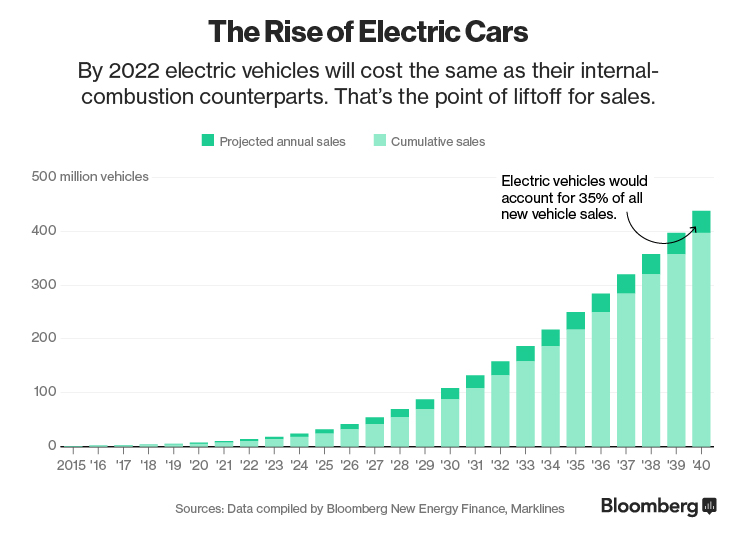
Looking ahead, the trajectory for electric vehicles appears clear and irreversible. Continued advancements in battery technology promise even greater range, faster charging, and lower costs. The expansion of charging infrastructure, driven by both public and private investment, will further alleviate range anxiety. As production scales and technology matures, the cost parity between EVs and ICE vehicles will continue to improve, making electric cars an increasingly undeniable choice for a wider demographic.
In conclusion, the journey from automotive indifference to enthusiastic electric vehicle advocacy is a microcosm of a larger societal shift. The once-novel concept of an electric car has matured into a compelling, practical, and superior mode of transportation. For many, the future of personal mobility is not merely electric, but fundamentally transformed, rendering its gasoline-powered predecessors increasingly obsolete.
About the Author