The tenth anniversary of LittleBigPlanet 2‘s release offers a compelling opportunity to revisit the game’s meticulously curated licensed soundtrack. This milestone invites a deeper examination of the creative process behind selecting music that not only defined the game’s distinct identity but also resonated with its vast player base. Beyond the familiar melodies, the anniversary serves as a backdrop to explore the extensive A&R efforts, the strategic choices made during development, and the lasting impact of music in interactive entertainment. This retrospective delves into the three distinct playlists that emerged from the LBP2 soundtrack’s journey: the officially licensed tracks, the "Alternate Universe" selections that narrowly missed the final cut, and the "Brief Says No" collection, representing ideas that ultimately didn’t align with the game’s evolving vision.
The Genesis of a Sonic Landscape: From Concept to Cartridge
The development of LittleBigPlanet 2‘s soundtrack was a complex undertaking, marked by a thematic shift from its predecessor. While LittleBigPlanet embraced a "journey around the world" concept, LittleBigPlanet 2 pivoted towards "science through the ages" or "science fiction through the ages." This abstract thematic direction presented a unique challenge for the music team. The art department found fertile ground in these concepts, but translating them into an auditory experience required a nuanced approach.
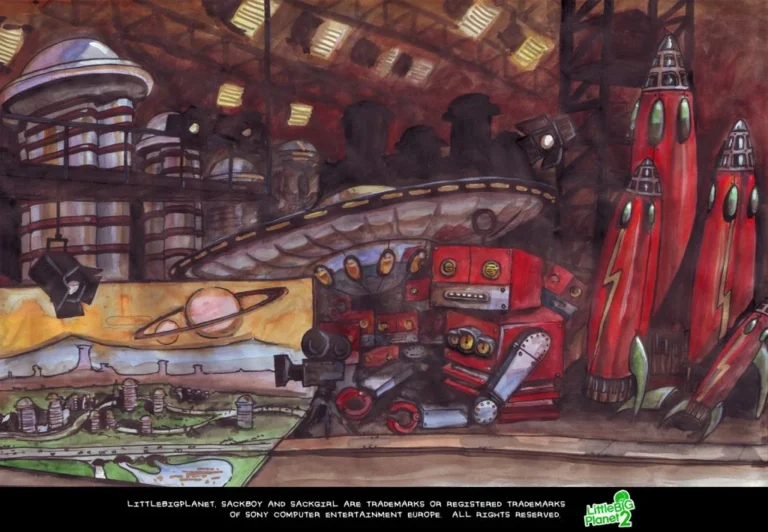
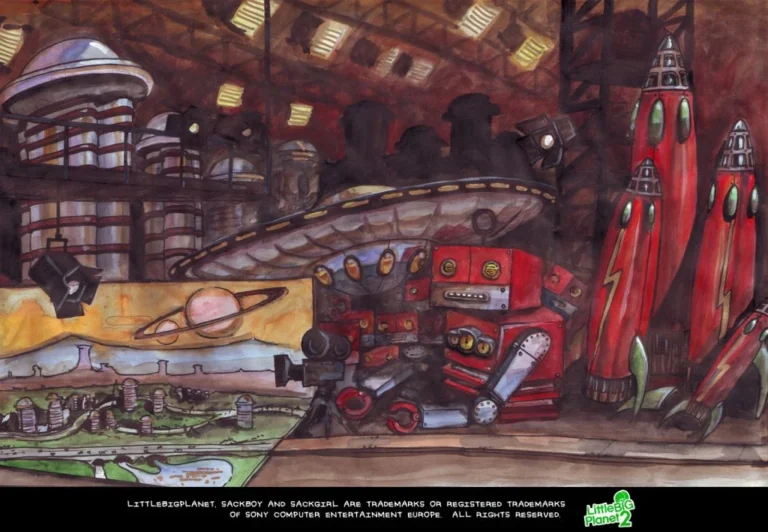
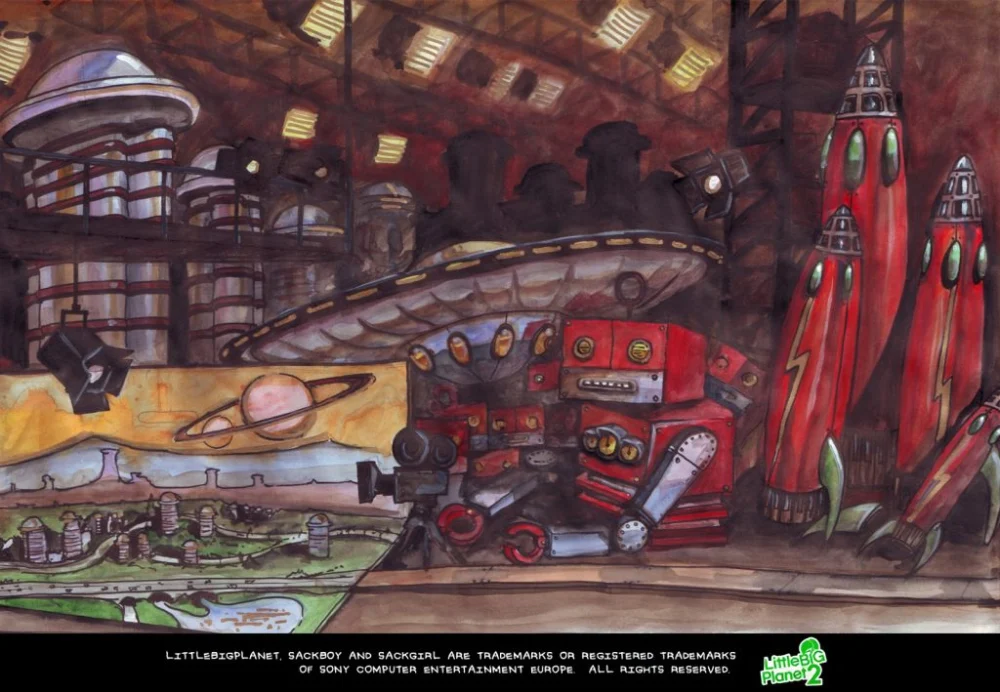
The initial stages of LittleBigPlanet 2‘s development, around May 2009, saw the team experimenting with early concepts. A pivotal moment was the creation of a music montage video. This video paired concept art for each game area with the team’s work-in-progress licensed music ideas. This early, albeit rudimentary, tool served as a crucial catalyst, allowing the team to visualize and solidify the project’s aesthetic and sonic direction. It was a tangible representation of the game’s emerging experience, bridging visual and auditory concepts and marking a significant milestone in pre-production.

The thematic direction for each area was heavily influenced by the high-level art direction. For instance, early considerations for areas that would later become distinct levels were conceptualized with specific musical moods in mind. The goal was to create a diverse palette of music that could support the game’s inherent creativity, ensuring that player-created levels would have a rich sonic tapestry to draw from, unhindered by the aesthetic restrictions of the main game’s soundtrack. This approach aimed to retain the "unexpected" edge that characterized the first game’s soundtrack while forging a new identity for the sequel.
Navigating the Soundtrack Seas: Licensed Tracks and Uncharted Territories
The official licensed soundtrack of LittleBigPlanet 2 comprises the familiar music that players experienced within the game. It’s important to note that due to the game’s backwards compatibility, the licensed soundtrack technically encompassed all licensed music from LittleBigPlanet 1. However, for clarity and focus in this retrospective, these tracks have been excluded from the presented playlists. A notable challenge arose with the availability of specific music versions. The game often utilized instrumental edits, remixes, or specific cuts of songs that were not readily accessible on mainstream streaming platforms. This led to a discrepancy, with some tracks missing from official Spotify playlists due to their unofficial or custom nature, often sourced from platforms like YouTube.
Beyond the officially incorporated music, the development process involved extensive exploration of potential sonic avenues. This exploration yielded two significant categories of music: the "Alternate Universe Soundtrack" and the "Brief Says No Soundtrack."
The Alternate Universe Soundtrack: Music That Almost Was
The "Alternate Universe Soundtrack" comprises tracks that were seriously considered for inclusion in LittleBigPlanet 2 but ultimately did not make the final cut. The reasons for their exclusion varied, often stemming from creative decisions made during the game’s iterative development. While most of these selections were a matter of creative choice, the author recalls one instance where a desired track could not be licensed, a decision that proved personally disappointing at the time. It’s worth noting that both the YouTube and Spotify versions of this playlist may contain tracks not available on either service, highlighting the proprietary nature of some music during the licensing process.

The "Brief Says No" Soundtrack: Divergent Paths
The "Brief Says No Soundtrack" is a collection of music that, while possessing merit, did not align with the evolving creative brief for LittleBigPlanet 2. These tracks often emerged from the early stages of music scouting, where they might have served well in linear video mock-ups. However, as the game’s direction became more defined, these selections were either phased out or found to lack the necessary energy or thematic resonance to support gameplay. Despite not fitting the final vision, these tracks represent a valuable archive of the creative exploration undertaken, showcasing a range of musical ideas that, in isolation, are still highly listenable.
A Decade of Reflection: The Enduring Power of Music
Reflecting on the music from LittleBigPlanet 2 a decade later, the author expresses a profound connection to the tracks that continue to evoke strong emotional responses. The ability of these songs to "make the hairs on the back of my neck stand up" speaks to their power to transport listeners back to the game’s development experience, reminding them of the intended creative aspirations rather than just the final shipped product. This enduring emotional resonance underscores the vital role of music in shaping our memories and experiences, particularly within the interactive medium of video games.
The Evolution of a Musical Identity: LittleBigPlanet 2 vs. LittleBigPlanet 1
Comparing the soundtrack development for LittleBigPlanet 2 with that of the original game reveals distinct differences in approach, largely driven by the thematic divergence. The first game’s global journey provided a more straightforward thematic anchor for music selection. In contrast, LittleBigPlanet 2‘s abstract "science through the ages" concept demanded a more interpretive and analogical approach to music. The licensed soundtrack team sought musical analogies that mirrored the specific artistic direction and the feelings evoked by the game’s environments. While the original score focused on characterization, drama, and exposition, the licensed soundtrack’s role was to complement the overarching aesthetic without duplicating these narrative functions, thereby simplifying the selection process.
A key concern during the early phases of LittleBigPlanet 2‘s development was to acknowledge the musical tropes associated with the science fiction genre without succumbing to pastiche. A strategic target was set to ensure that no more than 50% of the soundtrack was electronic in nature. This was a deliberate decision to provide a more diverse musical palette, anticipating the unrestricted creative freedom players would have in designing their own levels. The overarching objective was to retain the successful elements of the first game’s soundtrack while imbuing the sequel with its own distinct flavor and identity, often through subverting or playing against genre conventions to maintain an element of surprise.

Chronology of Sonic Development: From Montage to Masterpiece
The timeline of LittleBigPlanet 2‘s soundtrack development illustrates a progressive refinement of ideas:
- May 2009 (Pre-production): The creation of the initial music montage video, pairing concept art with early licensed music ideas. This phase saw tracks from artists like Ladytron, Squarepusher, and Röyksopp being considered. Notably, only Ladytron’s "Ghosts" made it into the final game from this initial selection, though other artists were considered with different tracks.
- December 2009 (Full Production Approaching): The music direction began to coalesce, reflecting the evolving game design. The number of distinct themes reduced from eight to six, a process involving merging overlapping ideas and adapting to reduced content requirements as the full development team joined. The music direction became more focused on supporting gameplay.
- October 2010 (Late Development): Despite a slip in the release schedule to January 2011, the licensing process for some tracks continued until this late stage. One particular track took six months to clear, highlighting the unpredictable nature of music licensing.
The music concept video, though linear and lacking the interactivity of the final game, served as a vital tool for communication and inspiration. It provided a cohesive experience that unified visual and aural elements, enabling the team to collectively understand and refine their creative vision. This process, akin to creating a mood board, was essential in establishing a shared understanding of the project’s aesthetic and sonic goals.
Collaborative Endeavors: A Symphony of Voices
The selection of music for LittleBigPlanet 2 was a testament to collaborative effort, with contributions flowing from various members of the development team and external partners. While the author played a significant role, the process was enriched by input from individuals such as Dan, John, and Rex from Media Molecule, and Martin Hewett from Sony.
Furthermore, a broad spectrum of suggestions emerged from a wider circle, including Alex, Costa, Jim, Jonatan, Mark, Martin, and Tom, all of whom contributed to the creative melting pot. Even external collaborators at Sony, like Jo, provided valuable insights. This inclusive approach ensured a diverse range of musical ideas were considered, ultimately contributing to the richness and depth of the final soundtrack. This collective spirit fostered a sense of ownership and enthusiasm, as team members were keen to contribute to a project that had already garnered significant critical acclaim.

The Impact of Sony Music Licensing
As the game approached its announcement, closer collaboration with Sony Music Licensing expanded the scope of music review and acquisition. This partnership proved timely, as the game’s direction had solidified sufficiently for Sony’s expertise to be highly focused and productive.
A standout contribution came from Rex, who suggested Passion Pit’s "Sleepyhead" for the announcement trailer. While initially intended for the trailer due to its evocative qualities, fitting the game’s narrative of community and future progression, it proved less ideal for direct gameplay integration. This led to an initial attempt to license a different track as a primary option for gameplay. However, "Sleepyhead" ultimately found a fitting home in the game’s end credits, demonstrating the strategic flexibility required in soundtrack development, where marketing and gameplay considerations sometimes diverge. The track’s ebb and flow, its pitched-up vocals, and its overall emotional resonance made it an exceptional choice for the trailer, effectively capturing the spirit of a new beginning and acknowledging the sequel’s more digital aesthetic.
The Enduring Legacy: Music as a Cultural Touchstone
The LittleBigPlanet 2 soundtrack continues to resonate with players, many of whom fondly recall its music as a significant part of their childhoods. This enduring connection highlights music’s unique ability to transcend its original context and provide lasting emotional and nostalgic value. As gaming platforms age and become less accessible, the music associated with beloved titles gains even greater relevance, serving as a powerful conduit to memories of the game and its vibrant community. The contribution of the artists and their music was instrumental in defining LittleBigPlanet 2‘s unique identity, solidifying its place in the pantheon of memorable video game soundtracks. The tenth anniversary serves not only as a celebration of the game itself but also as a testament to the profound and lasting impact of its sonic landscape.
About the Author