The landscape of mobile and handheld gaming has undergone a radical transformation over the last decade, marked by the rise of subscription models and the eventual shuttering of legacy digital storefronts. At the center of this evolution is Game Freak, the developer primarily known for the multi-billion dollar Pokémon franchise, and their cult-classic title, Pocket Card Jockey. While the game has found a second life on Apple Arcade as Pocket Card Jockey: Ride On, its journey highlights a growing concern within the interactive entertainment industry: the fragility of digital-only titles and the ephemeral nature of subscription-based gaming services.
The Evolution of a Cult Classic: From 3DS to Apple Arcade
Pocket Card Jockey originally debuted on the Nintendo 3DS eShop, offering a unique blend of horse racing simulation and Golf Solitaire. Developed as part of Game Freak’s "Gear Project"—an internal initiative that encourages staff to create original titles outside of the Pokémon series—the game garnered a dedicated following for its quirky humor and surprisingly deep mechanics. However, the original version faced a definitive end when Nintendo officially closed the 3DS and Wii U eShops in March 2023. This move effectively delisted thousands of digital-only titles, making Pocket Card Jockey impossible to purchase for new players on its native hardware.
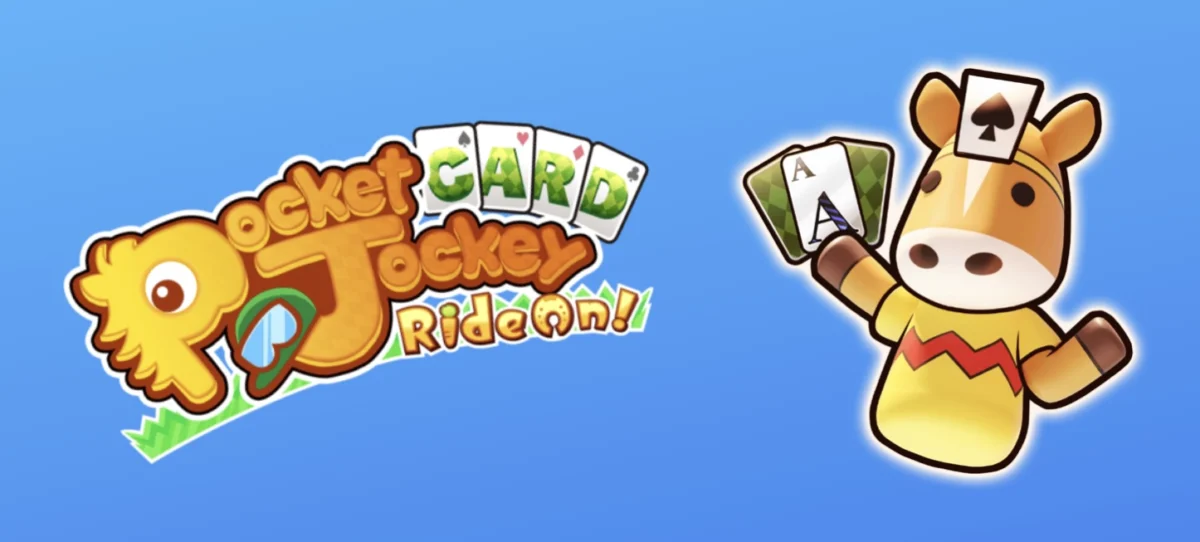
In January 2023, just months before the 3DS eShop’s closure, Game Freak released Pocket Card Jockey: Ride On for Apple Arcade. This version was not merely a port but a comprehensive remake, featuring updated 3D graphics and refined gameplay loops. The transition to mobile was viewed as a victory for game preservation at the time, ensuring that one of Game Freak’s most creative endeavors would remain playable. Yet, as the game settles into its tenure on Apple’s subscription service, industry analysts and players alike are beginning to question the long-term viability of this platform as a permanent home for significant works of digital art.
Mechanical Depth: Solitaire as a Racing Engine
The core appeal of Pocket Card Jockey lies in its unorthodox marriage of genres. Players take on the role of a jockey who must navigate a career through a series of horse races. Unlike traditional racing games that rely on twitch reflexes or complex physics, the outcome of a race in Ride On is determined by the player’s proficiency at Golf Solitaire.
The gameplay is divided into several phases. During the solitaire phase, players must clear cards from a board by selecting values one higher or one lower than the active card. Success in these rounds generates "Unity Power," which translates into stamina and positioning advantages for the horse. The strategic layer involves placing the horse in the "Comfort Zone" on the track—a sweet spot that balances speed with energy conservation.
Furthermore, the game introduces a complex breeding and aging system. Horses have finite careers; they grow in strength during their youth, peak in their middle years, and eventually see a decline in stats as they approach retirement. Once a horse retires, it can be put out to stud, allowing players to breed new generations that inherit traits and statistics from their parents. This "circle of life" mechanic creates a sense of continuity, but it also mirrors the broader industry concerns regarding the life cycles of the games themselves.
The Apple Arcade Model and the Threat of Delisting
Apple Arcade launched in September 2019 with the promise of a "premium" mobile gaming experience: no ads, no microtransactions, and a focus on high-quality, curated content. For a monthly fee, subscribers gain access to a library of over 200 titles. While this has been a boon for developers seeking an alternative to the "race to the bottom" pricing of the standard App Store, the service operates on a revolving door policy.
Unlike services such as the former Xbox Games with Gold or the monthly PlayStation Plus Essential offerings—where users can often keep games in their library as long as their subscription is active—Apple Arcade titles are removed entirely once their contract with Apple expires. When a game is "leaving the arcade," it typically disappears from the service within weeks. If the developer does not have a plan to transition the game to a "plus" version or a standalone paid app on the App Store, the game becomes unplayable, even for those who had it installed.
To date, over 150 games have been removed from Apple Arcade. Notable departures include:
- Sayonara Wild Hearts: A critically acclaimed "pop album video game" by Simogo.
- Shovel Knight Dig: A high-profile spin-off from Yacht Club Games.
- Rayman Mini: A mobile entry in Ubisoft’s long-running platformer series.
- SpongeBob SolitairePants: A licensed title that shares mechanical similarities with Pocket Card Jockey.
For Pocket Card Jockey: Ride On, which is currently an Apple Arcade exclusive, this creates a paradoxical situation. The game exists because its predecessor was delisted, yet it now resides on a platform where its own existence is subject to the renewal of corporate contracts.
Data and Trends in Digital Preservation
The struggle to preserve games like Pocket Card Jockey is part of a wider crisis in the industry. According to a 2023 study by the Video Game History Foundation, approximately 87% of classic video games released in the United States are "critically endangered." They are not in interests of the original rights holders to keep them in print, and they are legally inaccessible through modern means.
The mobile market is particularly vulnerable. Unlike PC gaming, where backwards compatibility is often maintained through community patches and storefronts like GOG.com, mobile games are at the mercy of operating system updates. An iOS update can render an older game unplayable if the developer does not provide a technical patch—a costly endeavor for small studios with no recurring revenue from older titles.
Subscription services further complicate this by decoupling the concept of "ownership" from "access." In a traditional retail model, a consumer owns a license that is generally permanent. In the Apple Arcade model, the consumer pays for a temporary window of access. When that window closes, the data on the device becomes a "dead" file.
Industry Implications and the Path Forward
The case of Pocket Card Jockey: Ride On serves as a microcosm for the challenges facing modern game developers. Game Freak, despite its massive success with Pokémon, still utilizes these smaller titles to foster creativity and prevent burnout among its staff. If these "passion projects" are destined to disappear due to the ephemeral nature of digital storefronts, there is a risk that developers will become more risk-averse, sticking only to established franchises with guaranteed longevity.
There are, however, potential solutions. Some developers have successfully transitioned their Apple Arcade titles to other platforms. Games like The Survivalists and Steven Universe: Unleash the Light moved to PC and consoles after their stint on the service. For Pocket Card Jockey, a release on the Nintendo Switch or Steam would provide a more stable environment for its long-term survival.
Furthermore, industry advocates are calling for better legal protections for digital preservation. This includes "right to repair" style legislation for software, allowing archives and libraries to maintain playable versions of games that are no longer commercially available.
Conclusion: The Final Stretch
As it stands, Pocket Card Jockey: Ride On remains a premier example of Game Freak’s ability to find fun in the most unlikely of places. It is a game that celebrates the passage of time, the inevitability of aging, and the hope found in the next generation. It is poetic, if somewhat tragic, that the game’s themes of mortality are so closely mirrored by its precarious position in the digital marketplace.
For now, the game continues to gallop along on Apple Arcade, providing a high-quality experience for solitaire and racing fans alike. However, the shadow of the 3DS eShop closure looms large. The industry must eventually reckon with the fact that without a concerted effort toward preservation, the "circle of life" for digital games may eventually lead to a dead end. Whether Pocket Card Jockey will "breed" a successor on a more permanent platform remains to be seen, but its current status serves as a vital reminder: in the world of digital subscriptions, nothing is permanent, and every race could be the last.
About the Author