
The digital landscape has witnessed a dramatic upheaval with the acquisition and subsequent transformation of Twitter, now rebranded as X, under the ownership of Elon Musk. This period has been characterized by significant operational changes, shifts in content moderation policies, and a notable exodus of users and advertisers, prompting critical discussions about the future of centralized social media platforms and calls for a migration to decentralized alternatives.
The Acquisition Saga and Initial Vision
The saga began in April 2022 when Tesla and SpaceX CEO Elon Musk announced his intent to acquire Twitter for approximately $44 billion. Musk, a prolific Twitter user himself, framed his motivation around a commitment to "free speech absolutism" and a desire to unlock Twitter’s "tremendous potential" as a global town square. He envisioned an "everything app" named X, a concept he had harbored for decades, hinting at expanded functionalities beyond microblogging, including payments and diverse content formats.

The acquisition process was fraught with challenges, including Musk’s attempts to withdraw from the deal citing concerns over bot accounts, leading to a legal battle that ultimately compelled him to complete the purchase in October 2022. Upon taking control, Musk dissolved Twitter’s board of directors, assumed the role of CEO, and initiated a rapid overhaul of the company’s structure and operations.
Operational Overhaul and Employee Exodus
Immediately following the acquisition, Musk embarked on an aggressive restructuring campaign. Thousands of employees, including many senior executives, were either laid off or resigned, drastically reducing the workforce from approximately 7,500 to an estimated 1,500 by mid-2023. This rapid downsizing, often executed with little notice, raised concerns among employees and industry observers about the company’s ability to maintain essential services, address technical debt, and ensure platform security. Reports indicated that critical teams responsible for content moderation, cybersecurity, and platform stability were disproportionately affected.
Beyond layoffs, Musk introduced a new "hardcore" work culture, demanding long hours and a high intensity from remaining staff. This cultural shift, coupled with the uncertainty surrounding the company’s future, led to further voluntary departures, exacerbating the loss of institutional knowledge and technical expertise.

Content Moderation and Platform Integrity under X
One of the most contentious aspects of Musk’s tenure has been the significant alteration of content moderation policies. Driven by his "free speech absolutist" stance, the platform reinstated numerous previously banned accounts, including controversial figures. The legacy verification system, which authenticated prominent individuals and organizations, was replaced by "X Premium" (formerly Twitter Blue), a paid subscription service. This change meant that blue checkmarks could be purchased by anyone, regardless of their identity, leading to widespread impersonation issues and a perceived degradation of trust and credibility on the platform.
The Anti-Defamation League (ADL) and other civil society groups reported a significant increase in hate speech, misinformation, and problematic content on the platform following the policy changes. Data from researchers and NGOs consistently pointed to a rise in antisemitic, racist, and misogynistic discourse. For instance, a report by the Center for Countering Digital Hate (CCDH) indicated a substantial increase in hateful content visibility. Critics argued that the weakened content moderation infrastructure and the new verification system created an environment conducive to the spread of harmful narratives, undermining the platform’s role as a reliable source of information. The previous approach, which aimed to balance free expression with safety, was largely dismantled, leading to a more permissive, yet often chaotic, digital environment.
Financial Fallout and Advertiser Retreat
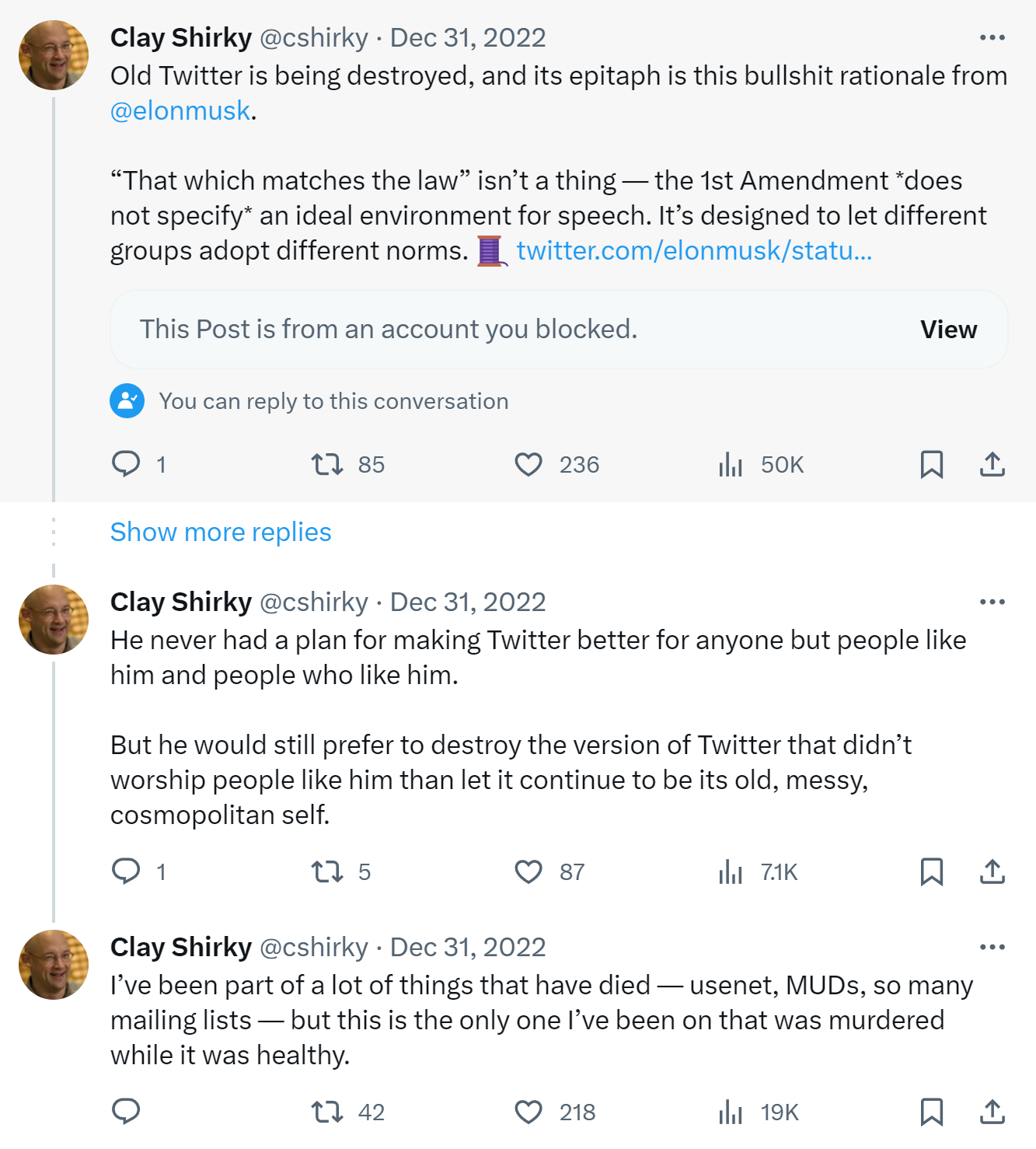
The operational and policy shifts at X had a profound impact on its financial performance, particularly its advertising revenue, which historically accounted for the vast majority of Twitter’s income. Many advertisers, wary of the platform’s increasingly volatile content environment and Musk’s sometimes erratic public statements, significantly reduced or entirely paused their spending. Major brands expressed concerns about their advertisements appearing alongside hate speech or controversial content, fearing reputational damage.
Estimates from various financial analysts and internal company reports suggested a decline in advertising revenue ranging from 50% to 70% in the months following the acquisition. This substantial drop necessitated a pivot towards subscription services and other revenue streams, such as data licensing, to offset losses. The rebrand to "X" in July 2023 further complicated matters, as the established Twitter brand recognition and goodwill, built over 17 years, were suddenly discarded, creating confusion among users and advertisers alike. The company’s valuation also plummeted; Fidelity, an investor in Musk’s acquisition, marked down its stake significantly, indicating a perceived value far below the $44 billion acquisition price.
The Push for Decentralization and Alternative Platforms
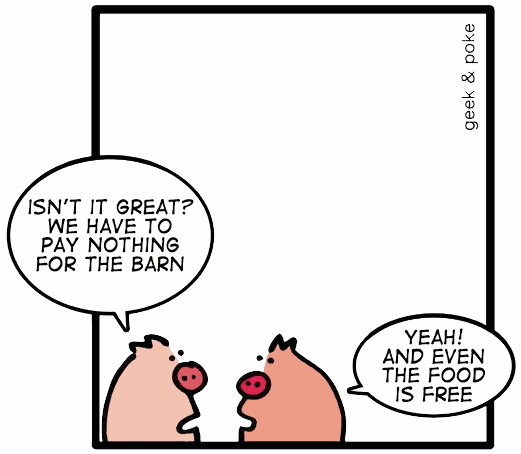
The tumultuous period at X has intensified an ongoing debate within the tech community about the dangers of centralized power in social media and the merits of decentralized alternatives. Critics argue that platforms controlled by a single individual or corporation, especially one with a strong and sometimes unpredictable leadership style, pose inherent risks to public discourse, user data, and the stability of online communities. The concept of "digital sharecroppers," where users contribute content and build communities on platforms they do not own or control, has gained renewed relevance. Under this model, users are beholden to the whims of platform owners, who can unilaterally change terms of service, content policies, or even abruptly alter the platform’s fundamental nature, as seen with X.
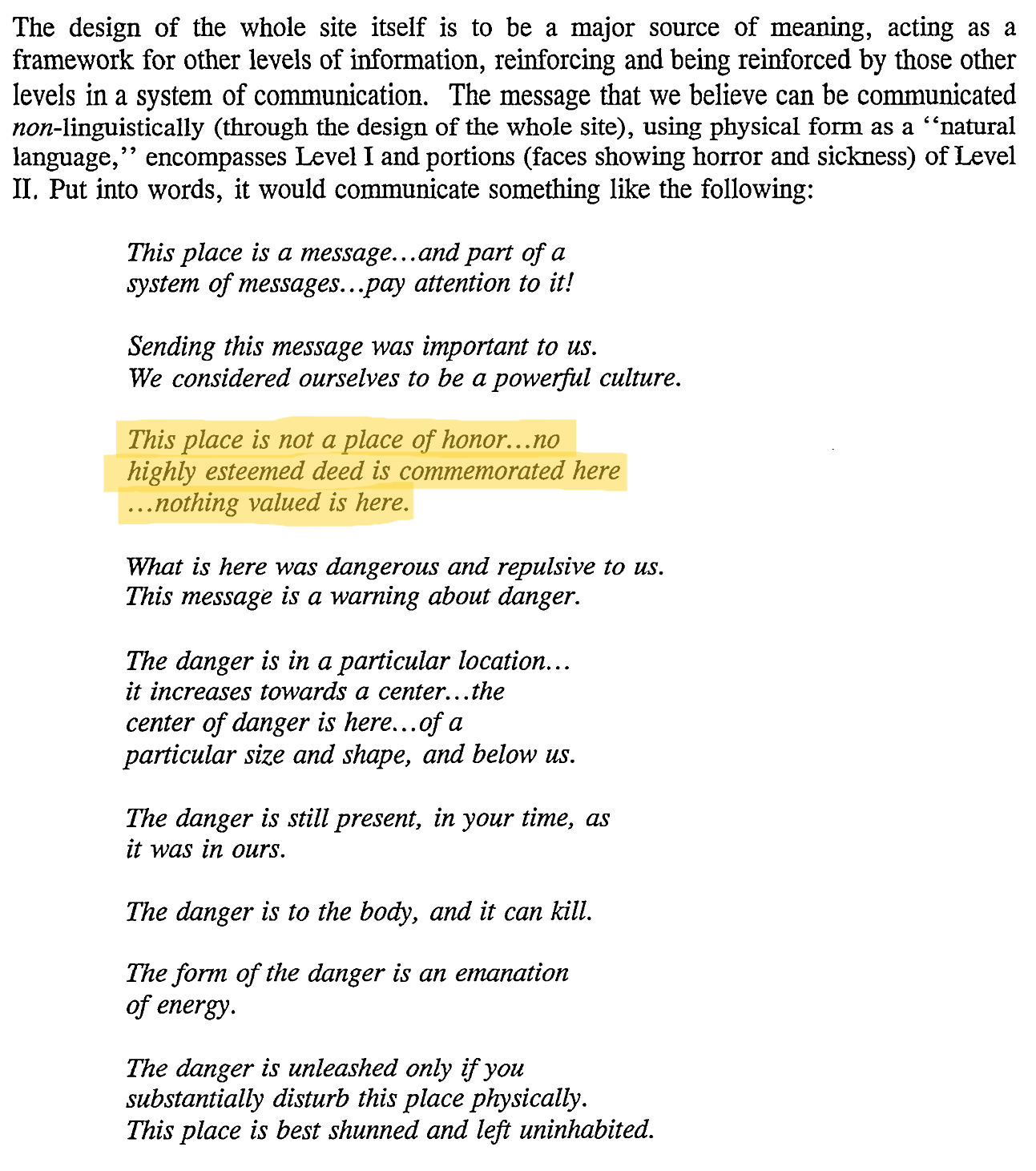
This concern has fueled a surge of interest in decentralized social networks, which aim to distribute control and ownership among users or a collective. Platforms like Mastodon, an open-source, federated microblogging service, have seen significant user growth, with many former Twitter users migrating to its various instances. Other emerging alternatives include Bluesky, founded by former Twitter CEO Jack Dorsey, and Threads, launched by Meta, which also explores a federated model.
The core argument for decentralization posits that it offers a more resilient, transparent, and user-empowering model for online interaction. By allowing individuals and communities to host their own instances or servers, decentralized networks aim to prevent the single points of failure and autocratic control that can afflict centralized platforms. While these alternatives often present challenges related to ease of use, discoverability, and moderation across diverse instances, proponents argue that the increased autonomy and reduced risk of unilateral platform destruction are worthwhile trade-offs. As one commentator, Paul Ford, eloquently put it, humans are designed for "150 stable relationships," suggesting that vast, centralized "town squares" inherently struggle with healthy discourse, leading to a natural inclination towards smaller, more manageable communities, which decentralized models can better facilitate.
Expert Analysis and Societal Implications
The developments at X carry significant societal implications, particularly concerning the spread of information, democratic discourse, and mental health. The rapid changes and perceived decline in content quality have raised alarms about the platform’s ability to serve as a reliable source for news and public debate. Experts warn that a less moderated environment can accelerate the spread of misinformation and disinformation, potentially impacting elections, public health, and social cohesion.
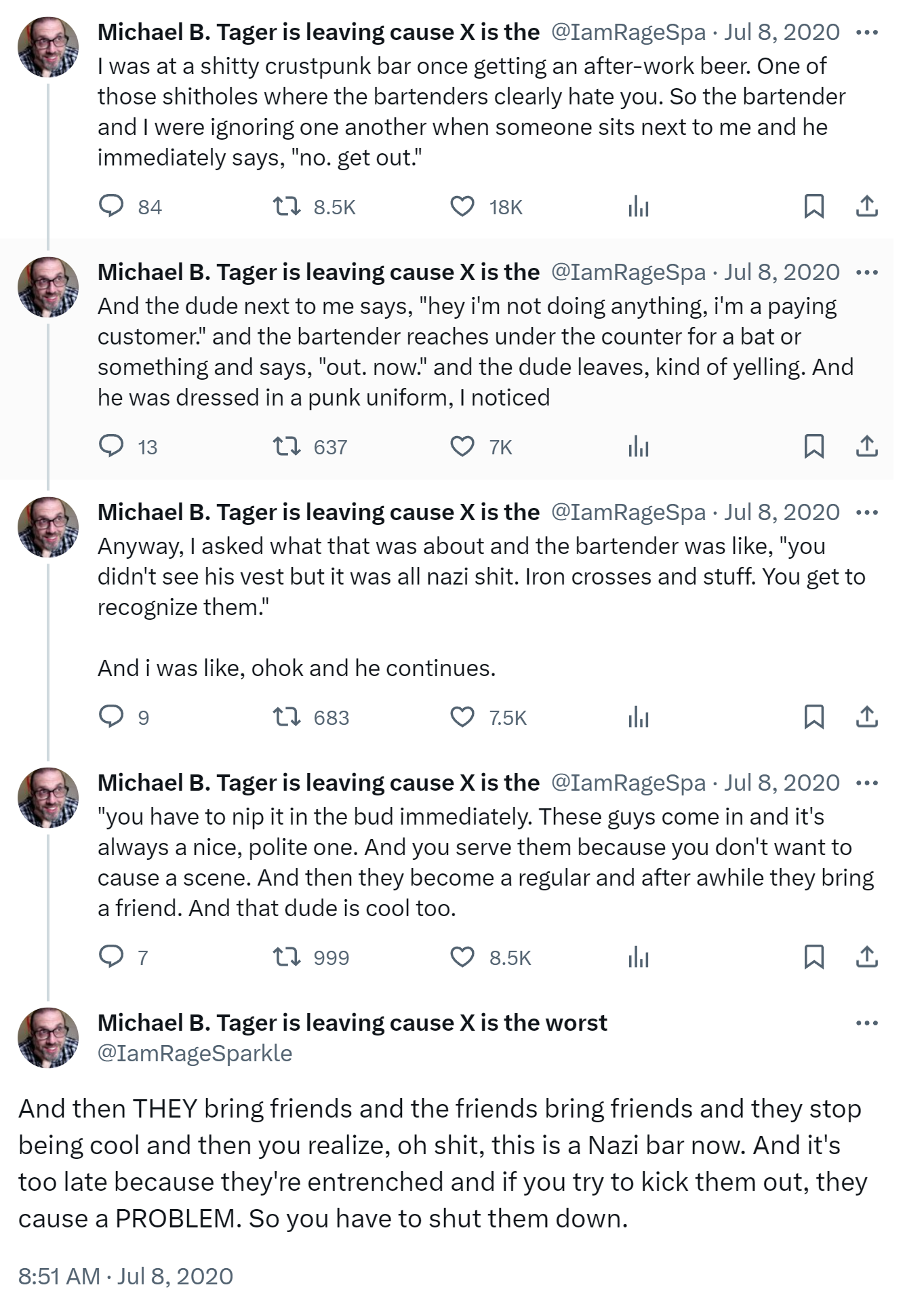
The experience with X also highlights the critical importance of robust moderation tools and user empowerment in platform design. As tech author Jeff Atwood observed, the goal in the software industry should be to "empower users (with strong moderation tools), not exploit them." This perspective underscores the need for platforms that prioritize user well-being and community governance over unchecked growth or singular corporate vision.
The shift away from a "free" service model is another key implication. While platforms like Twitter were ostensibly free to use, critics argue that users paid with their data, attention, and susceptibility to algorithmic manipulation. The decline of X has served as a stark reminder that "free" services often come with hidden costs, including a lack of control over one’s digital presence and vulnerability to platform changes dictated by external forces. Embracing decentralized, often community-funded models, even if they involve a financial cost, is presented as a more honest and sustainable path toward building healthy online spaces.
A Call for User Empowerment and Community Action
In response to the dramatic changes at X, a growing number of tech commentators and former users advocate for a conscious abandonment of the platform. They argue that continued engagement or linking to X merely feeds the attention economy it relies upon, implicitly endorsing a model deemed unhealthy for individual mental well-being and broader societal discourse. Instead, the call is for users to actively explore and support alternative platforms, particularly those that are open-source and federated.
As a tangible expression of this sentiment and to inspire migration, some individuals have initiated community-focused efforts. For instance, Jeff Atwood, a prominent software developer and co-founder of Discourse, a decentralized forum software, launched an auction of commemorative brass plaques featuring what he considers "the best tweet of all time." All proceeds from this initiative were designated to benefit The Trevor Project, an organization assisting LGBTQ youth, highlighting a commitment to community support and defiance against the perceived negative trajectory of X. This action embodies the sentiment that collective ownership and purposeful engagement can foster healthier, more equitable online environments, far outliving the lifespan of any single centralized platform.
The transformation of Twitter into X under Elon Musk stands as a pivotal moment in the history of social media. It serves as a potent case study on the vulnerabilities of centralized platforms to individual control, the complex challenges of content moderation, and the enduring debate over free speech versus safety. As the digital world continues to evolve, the lessons learned from X are likely to shape the development of future online communities, pushing towards models that prioritize user empowerment, decentralization, and collective responsibility.
About the Author