The integration of the ubiquitous double jump mechanic, a staple across numerous gaming genres, has been significantly streamlined within Unreal Engine 5, Epic Games’ flagship development platform. This development marks a notable enhancement in developer accessibility, enabling creators of all experience levels to imbue their characters with this classic ability with unprecedented ease, ultimately fostering more dynamic and engaging player experiences.
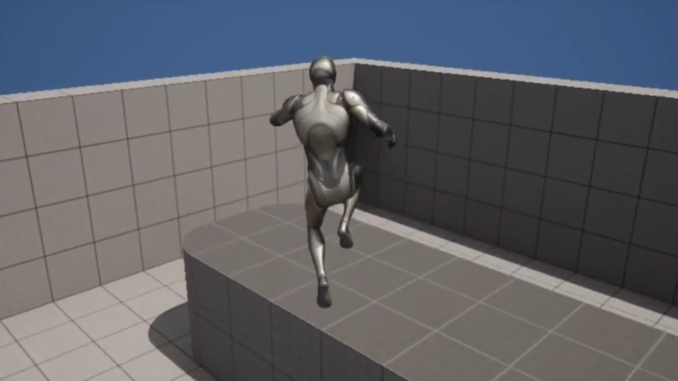
The double jump, a movement technique allowing a character to execute a second leap while airborne, has transcended its origins to become a foundational element in countless titles. Its presence is deeply embedded in the history of gaming, first appearing in arcade classics and evolving through seminal platformers. Games such as Konami’s Castlevania: Symphony of the Night (1997), Naughty Dog’s Crash Bandicoot series (beginning 1996), HAL Laboratory’s Kirby series (beginning 1992), and Rare’s Banjo-Kazooie (1998) all prominently feature the double jump, often making it integral to level progression, puzzle-solving, and combat evasion. This mechanic not only expands player agency in traversing complex environments but also introduces a layer of strategic depth, transforming simple jumps into multi-stage maneuvers. Its continued relevance in both retro-inspired and cutting-edge titles underscores its enduring appeal and functional versatility in game design.
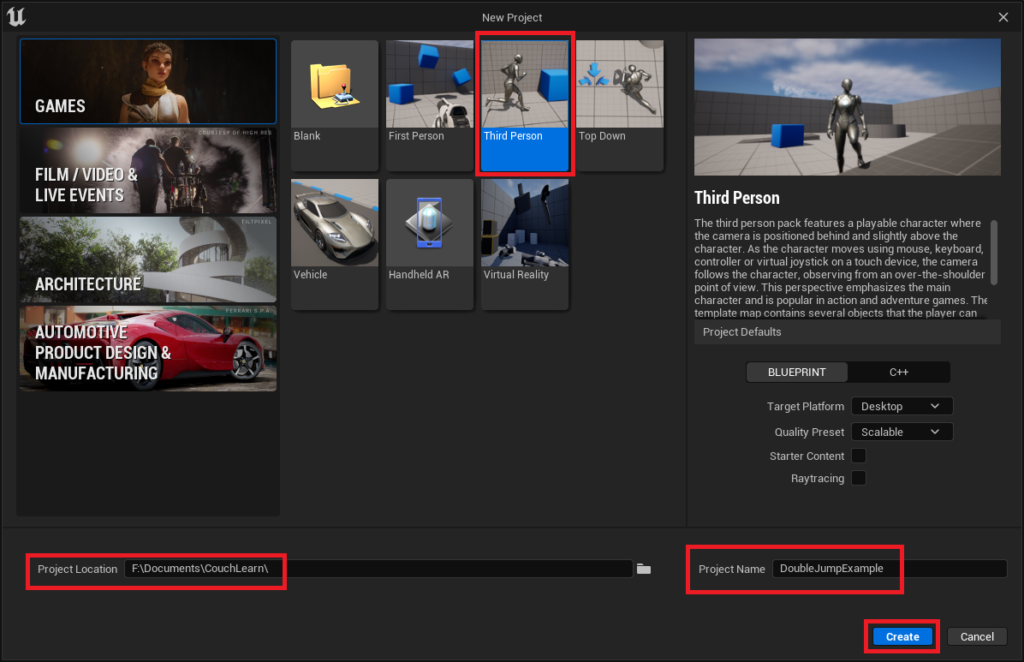
Unreal Engine 5 (UE5), celebrated for its photorealistic rendering capabilities, powerful toolset, and robust developer ecosystem, continues to solidify its position as a leading engine for game development, from independent studios to AAA powerhouses. The engine’s design philosophy prioritizes empowering creators with efficient workflows and sophisticated features, and the simplified implementation of the double jump serves as a prime example of this commitment. By abstracting much of the underlying complexity, UE5 allows developers to focus more on creative design and less on intricate coding for fundamental mechanics. This approach aligns with a broader industry trend towards democratizing game development, making advanced features accessible to a wider audience of creators.
The core implementation of the double jump in UE5 exemplifies this paradigm of simplicity. Unlike potentially intricate, code-heavy solutions that might be required in other engines or for bespoke implementations, UE5 leverages its sophisticated Character Movement Component. This component, a foundational element of any character blueprint, encapsulates a vast array of movement logic, including jumping, falling, and walking. For developers utilizing the standard Third Person template, or any custom character blueprint derived from the ACharacter class, activating the double jump functionality requires merely adjusting a single parameter.
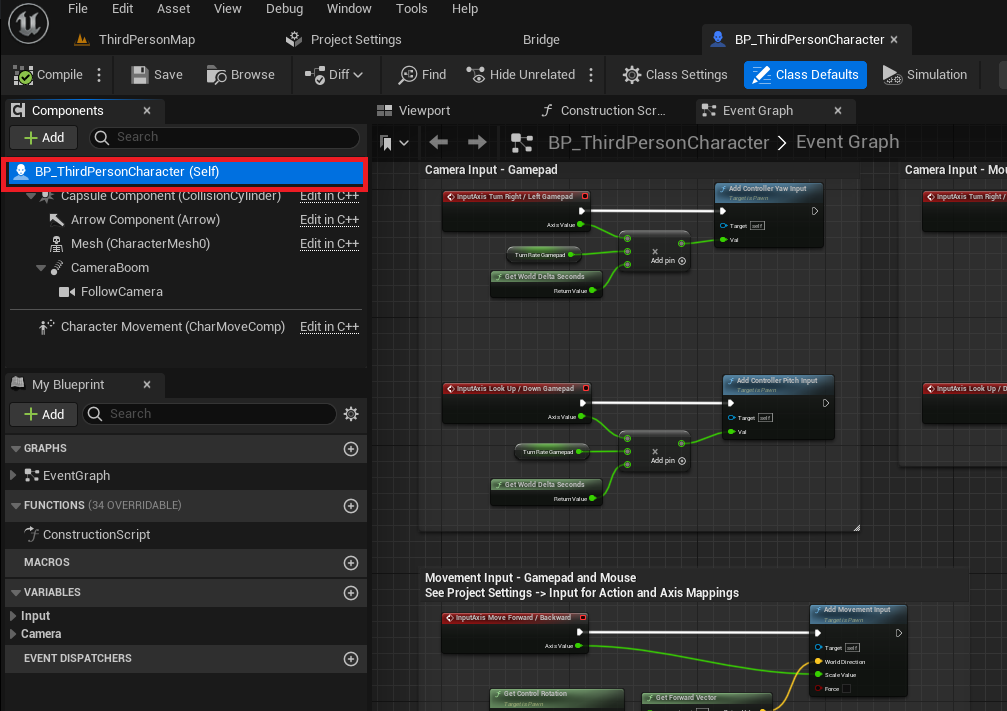
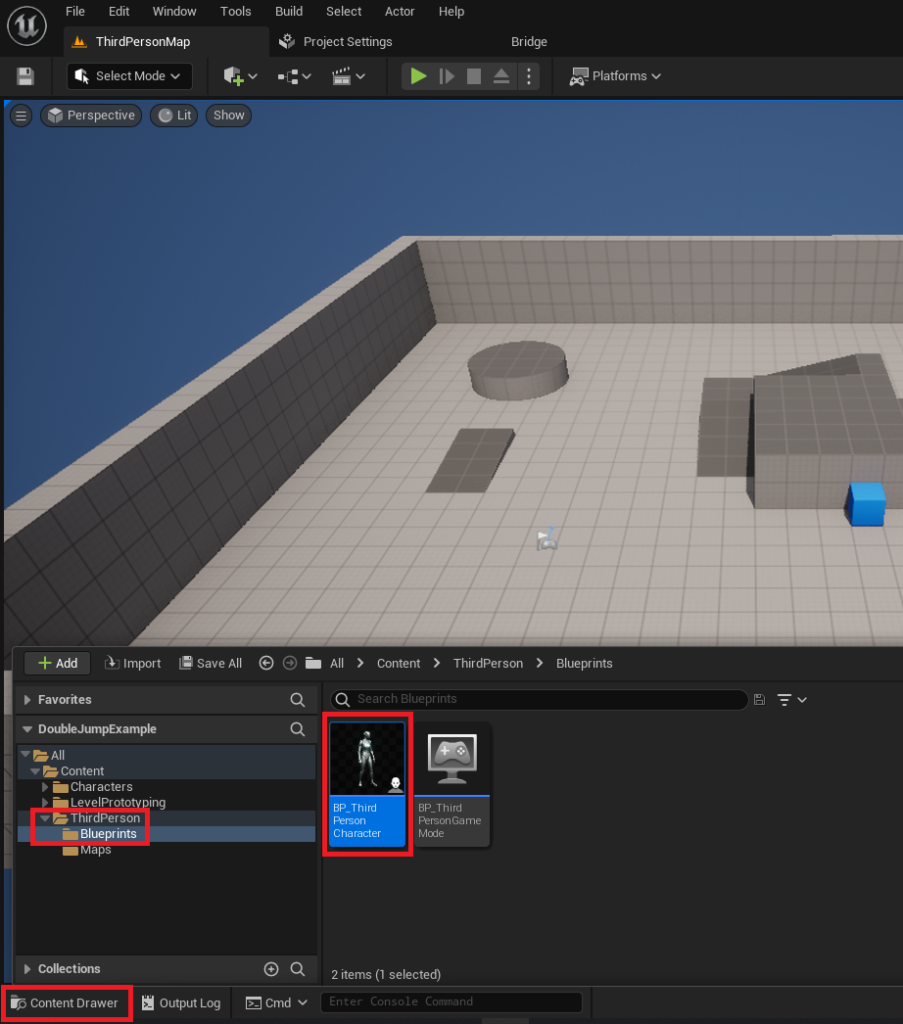
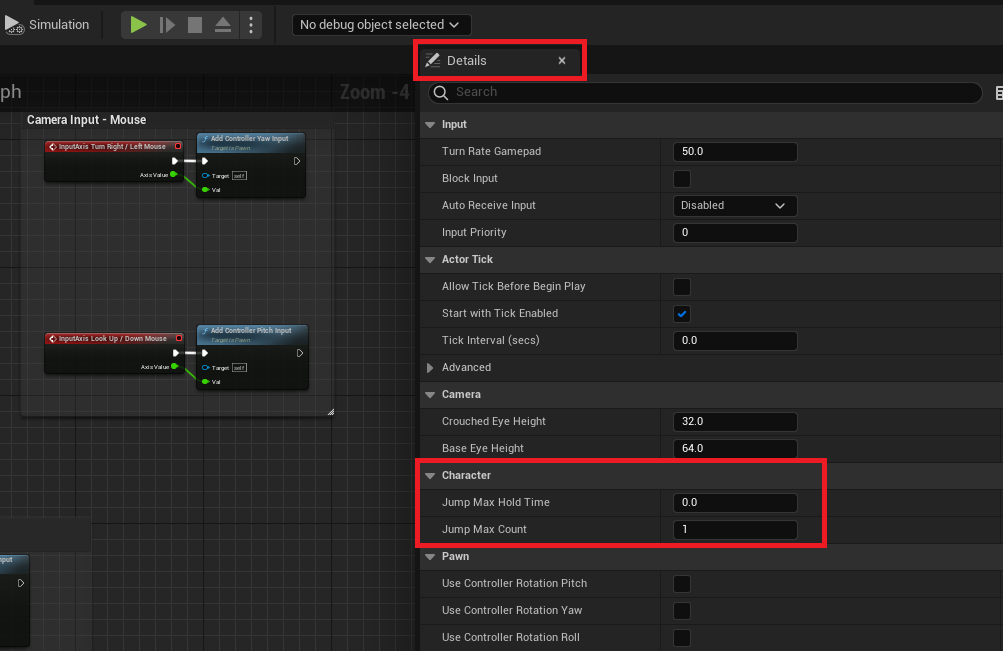
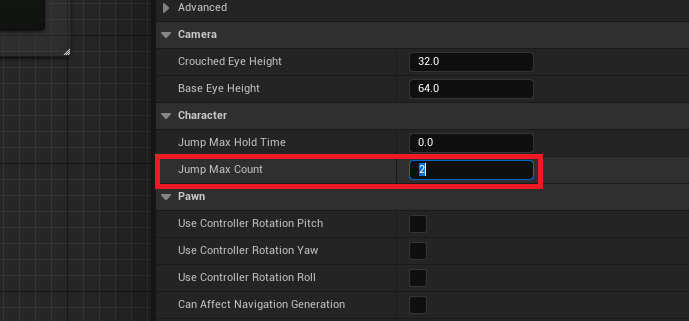
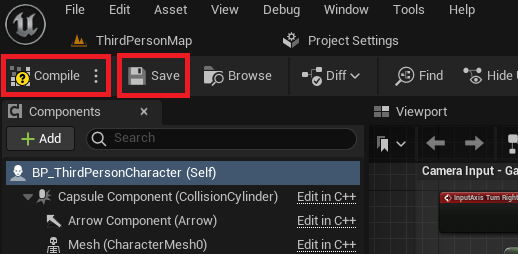
The process typically begins by opening the character’s blueprint, such as the BP_ThirdPersonCharacter asset found in the default project setup. Within the blueprint editor, after selecting the main character component, developers navigate to the "Details" tab. Here, under the "Character" category, a parameter labeled "Jump Max Count" is readily available. By default, this value is set to 1, allowing for a single jump. Changing this value to 2 immediately enables the character to perform a double jump. For designs requiring more extensive aerial maneuvers, such as triple jumps or infinite jumps, this value can be adjusted accordingly, providing scalable flexibility without necessitating additional scripting. This single-parameter modification, followed by a quick compilation and save of the blueprint, instantly integrates the double jump into the character’s movement repertoire.
However, a functionally correct double jump is only one part of a truly polished player experience. The visual feedback provided by animations is equally critical for player immersion and understanding. An unrefined double jump, while mechanically sound, can feel jarring or unresponsive if the character’s animations do not appropriately reflect the action. Initial implementation in UE5, while providing the core mechanic, often results in the jump animation playing only once, even for subsequent jumps. This disconnect between action and visual representation can detract significantly from the player’s perception of control and the overall game quality.
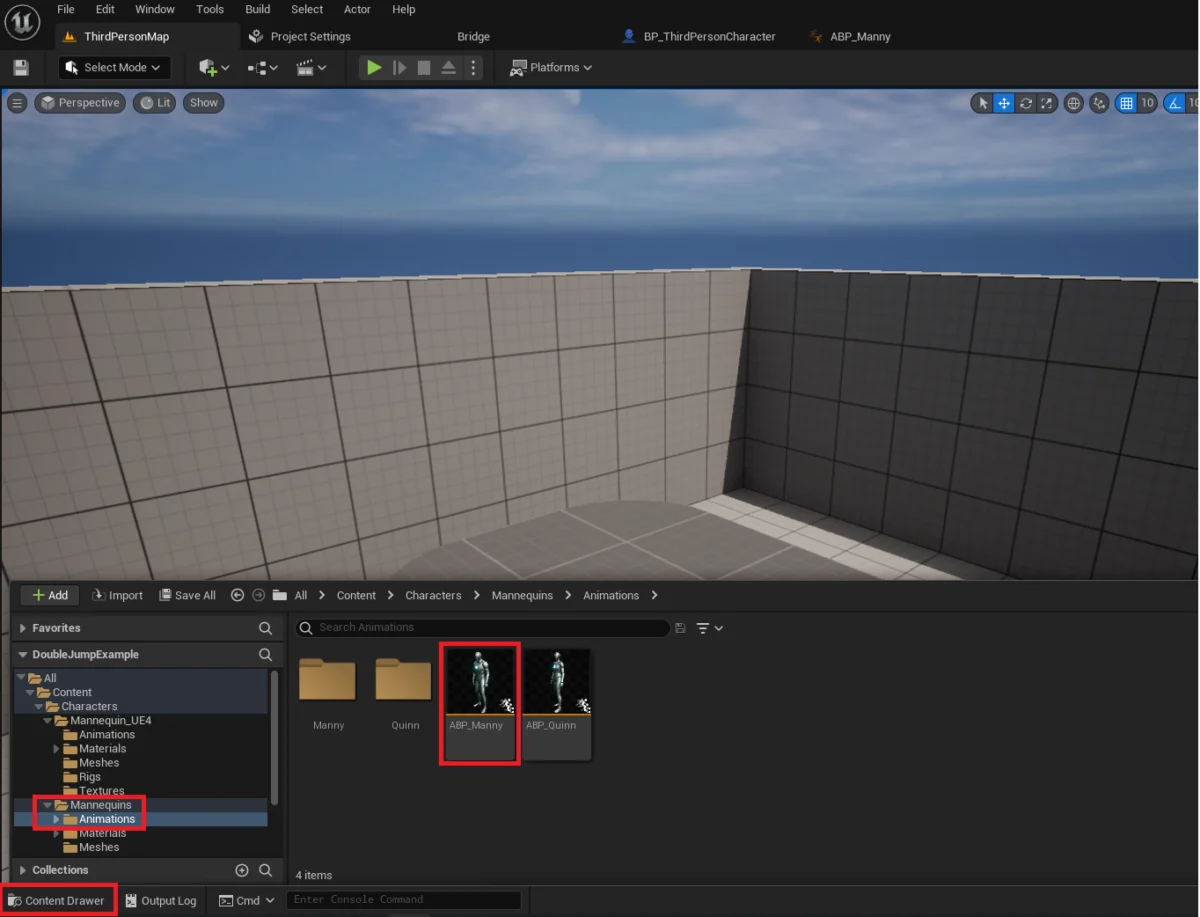
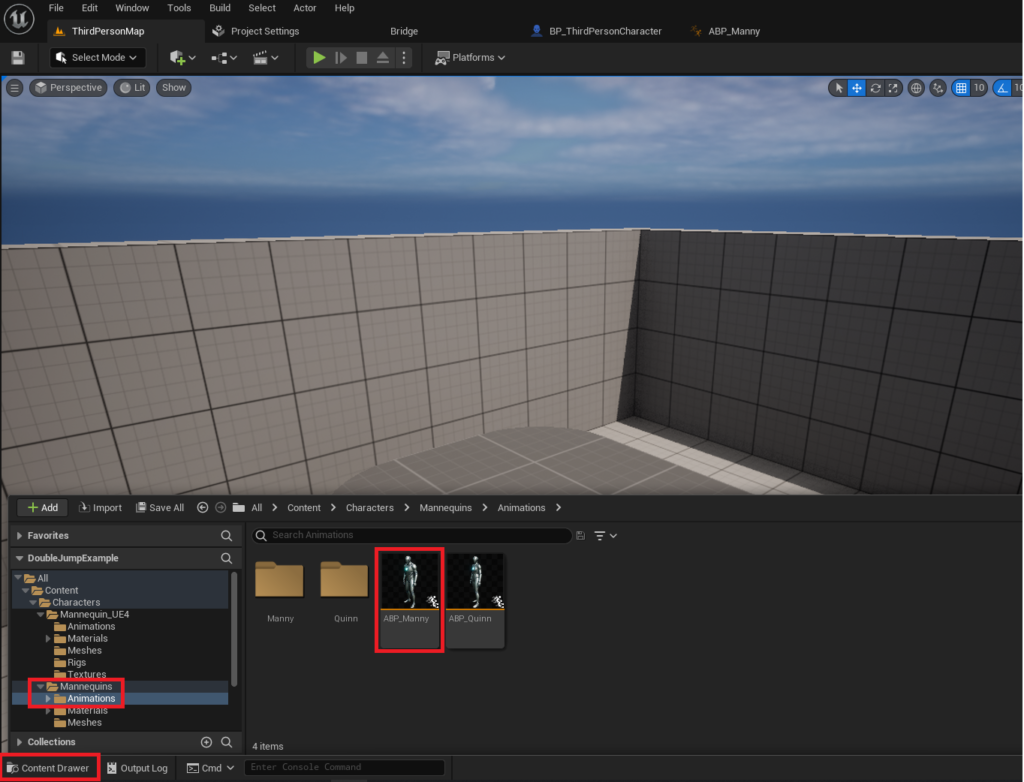
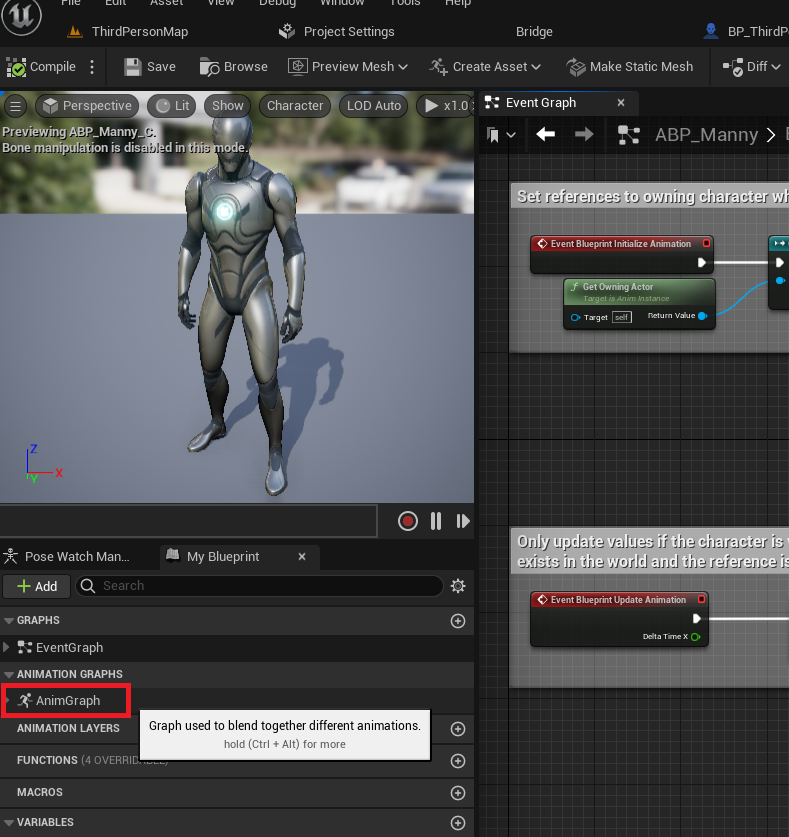
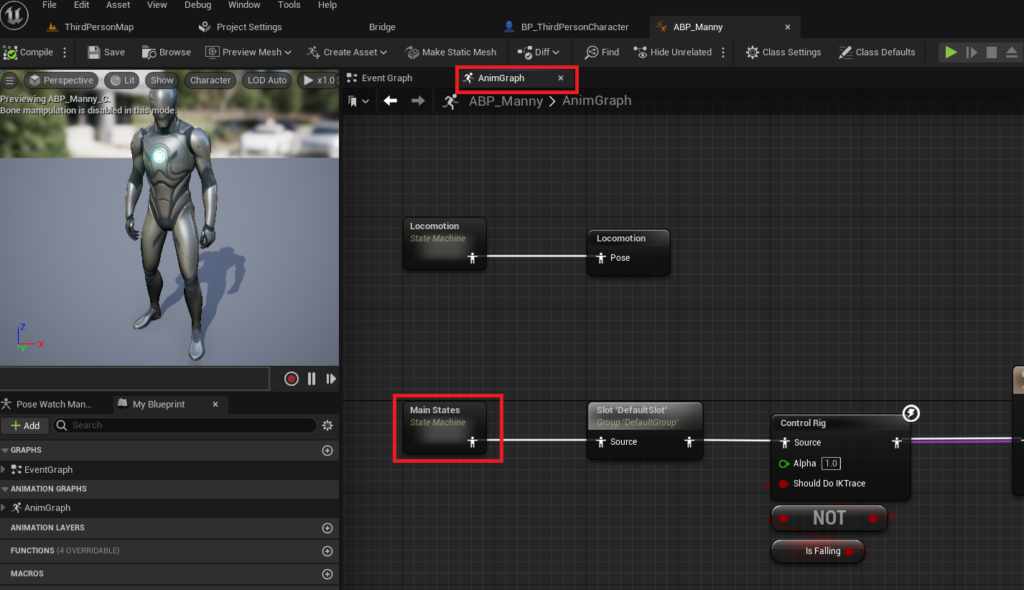
Addressing this visual disparity necessitates a dive into Unreal Engine’s animation blueprint system, specifically the Animation Graph and State Machines. The Animation Blueprint, such as ABP_Manny found in the default Mannequin assets, governs how a character’s skeletal mesh reacts to various states and actions. To ensure the double jump visually registers as a distinct action, developers need to establish a transition rule within the animation state machine that allows the character to re-enter the jump animation state when a second jump is initiated mid-air.
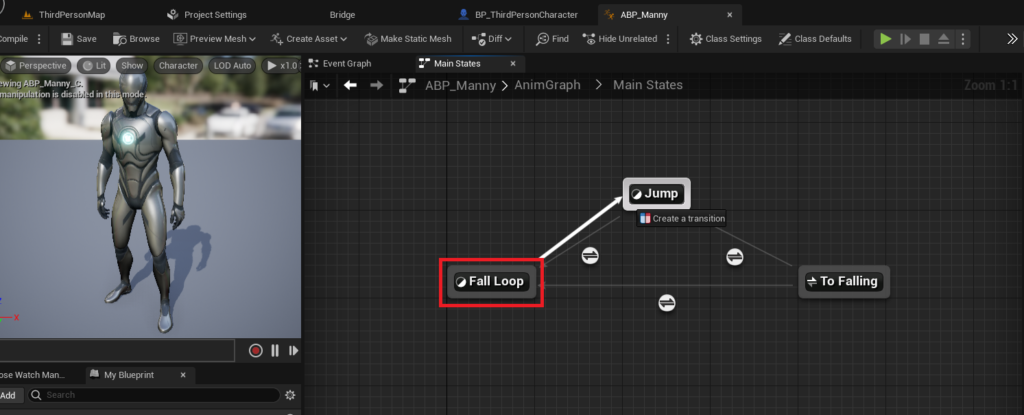
This "Animation Improvements" phase, while slightly more involved than the initial parameter change, is still intuitively structured within UE5’s visual scripting environment. It involves navigating to the AnimGraph, then into the "Main States" state machine, which dictates the character’s primary animation cycles (e.g., Idle, Run, Jump, Fall). A crucial step is to create a new transition from the "Fall Loop" state back to the "Jump" state. This transition is then configured with a blueprint node network that evaluates the character’s current jump count and vertical velocity. Specifically, the condition for this transition typically checks if the character is currently falling (IsFalling node) and, crucially, if the "Jump Current Count" is greater than 1. This logical gate ensures that if the character is airborne and a second jump has been registered, the animation state machine correctly triggers the initial jump animation again, providing clear visual reinforcement for the player’s action. The result is a seamless and responsive animation that accurately reflects the player’s double jump, enhancing both tactile and visual feedback.
The implications of such streamlined development processes extend far beyond mere convenience. For independent game developers and smaller teams, this ease of access to complex mechanics like the double jump significantly lowers the barrier to entry for creating highly polished and competitive titles. Instead of dedicating valuable time and resources to developing and debugging core movement systems, creators can allocate more energy to innovative gameplay, unique level design, and narrative development. This democratization of advanced game mechanics empowers a broader spectrum of talent to bring their creative visions to life, fostering greater diversity and innovation within the gaming industry.
From a player’s perspective, the combination of robust functional mechanics and responsive animations translates directly into a more satisfying and immersive experience. A well-implemented double jump, complete with appropriate visual feedback, makes character control feel intuitive and powerful. This sense of agency and responsiveness is a cornerstone of player engagement, contributing to the overall enjoyment and replayability of a game. Industry analysts often highlight that even seemingly minor improvements in core mechanics can have a disproportionately large impact on player perception and critical reception. The ability to easily achieve this level of polish in UE5 underscores its value as a tool for creating compelling interactive entertainment.
Moreover, for larger AAA studios, these efficiencies translate into faster prototyping cycles, reduced development costs, and the ability to iterate more rapidly on game design. When foundational elements are handled elegantly by the engine, development teams can shift their focus towards pushing creative boundaries and optimizing performance for high-fidelity experiences. This reflects a broader trend in game engine development where the emphasis is increasingly placed on providing comprehensive, user-friendly toolsets that accelerate the entire development pipeline.
In conclusion, Unreal Engine 5’s simplified approach to implementing the double jump mechanic, from a single parameter adjustment to sophisticated animation state transitions, represents a significant advancement in game development accessibility. By providing powerful yet intuitive tools, Epic Games continues to empower creators to craft rich, dynamic, and visually compelling gaming experiences. This development not only honors the legacy of an iconic gaming mechanic but also points towards a future where sophisticated gameplay features are more readily available to all developers, ultimately enriching the entire gaming landscape for both creators and players alike.
About the Author