The extended reality (XR) industry is facing a period of significant recalibration as major hardware manufacturers grapple with supply chain volatility and shifting market dynamics. Valve Corporation recently issued a formal communication indicating a reassessment of the launch window and pricing strategy for its highly anticipated Steam Frame. Simultaneously, Meta Platforms’ leadership has reaffirmed its commitment to future hardware despite recent internal restructuring, while Samsung has officially confirmed its re-entry into the wearable display market. These developments highlight a broader trend of cautious optimism within the sector, balanced against the technical and economic realities of high-end hardware manufacturing.
Valve Addresses Steam Frame Delays and Pricing Pressures
Valve Corporation has confirmed that the release schedule and retail pricing for the Steam Frame are currently under review. According to an official blog post, the company had originally intended to finalize and announce these details by the current quarter. However, persistent shortages in the global memory and storage markets have disrupted these plans.
The shortage is largely attributed to the unprecedented demand for high-performance memory chips required for artificial intelligence (AI) data centers. As AI companies continue to scale their infrastructure, the supply of RAM and NAND flash storage has tightened, driving up wholesale costs for consumer electronics manufacturers. Valve noted that these trends have specifically impacted the Steam Machine and Steam Frame product lines, both of which rely on high-bandwidth memory to deliver desktop-class performance in specialized form factors.
Despite these headwinds, Valve remains committed to a release in the first half of the current year. However, industry analysts suggest that the escalating cost of components will likely push the Steam Frame’s price toward the upper end of Valve’s self-imposed $1,000 limit. A retail price between $800 and $900 is now considered more probable, positioning the device as a premium tool for enthusiasts and prosumers rather than a mass-market consumer product. To further support the ecosystem, Valve also announced that prescription lens inserts for the Steam Frame will be made available shortly after the hardware’s initial launch.

Meta Platforms Navigates Structural Changes and Content Strategy
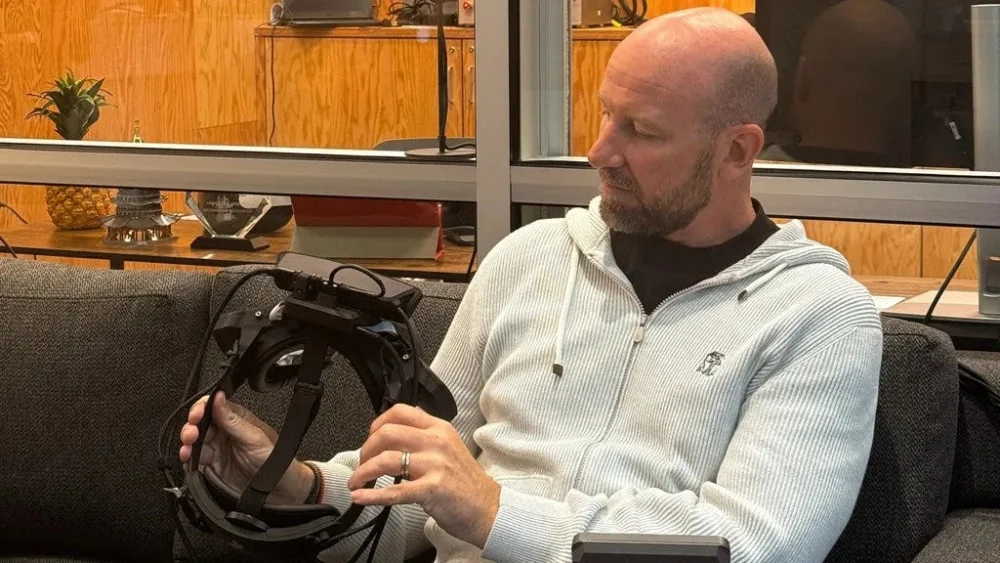
Meta’s Chief Technology Officer, Andrew Bosworth, recently addressed the company’s ongoing strategy during a public session, confirming that Meta still intends to ship two new headsets in its upcoming hardware cycle. This clarification comes in the wake of significant layoffs within Reality Labs and the closure of several first-party gaming studios.
Bosworth characterized the decision to downsize as a necessary "remodulation" to align investments with the actual growth rate of the VR market, which has matured more slowly than initial projections suggested. He defended the closure of internal studios by stating that first-party developers often inadvertently compete with third-party creators on the Horizon Store. By stepping back from internal game development, Meta aims to foster a more equitable environment for independent developers.
Key takeaways from Meta’s current roadmap include:
- Continued Third-Party Funding: Meta will continue to provide financial backing for external developers to ensure a steady pipeline of content for the Quest ecosystem.
- Strategic Shift in Gaming: Following the success of titles like Batman: Arkham Shadow, the company may be shifting its focus toward high-impact "system seller" titles while reducing its overhead in smaller internal projects.
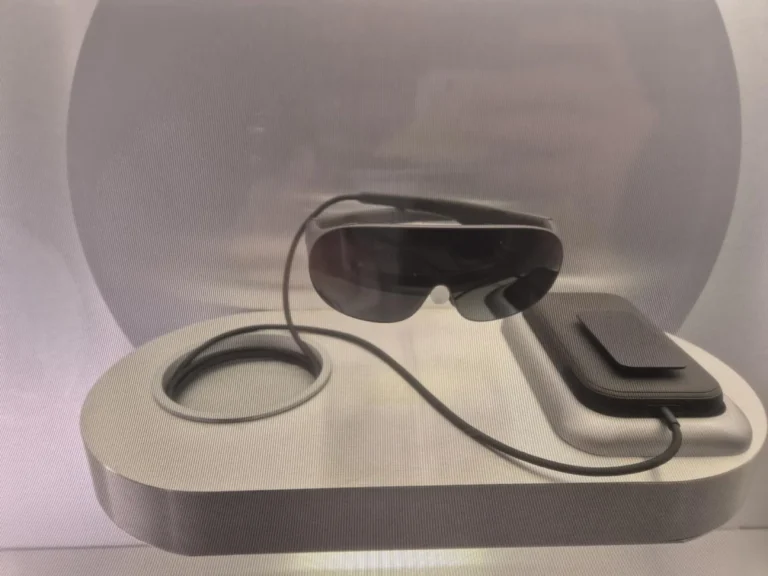
- Leak Insights: Unconfirmed reports, or "leaks," suggest a new device codenamed "Puffin" is in development, featuring pancake optics and an external battery pack to reduce head-borne weight. Additionally, rumors of a Beat Saber sequel continue to circulate, potentially serving as a launch title for upcoming hardware.
Samsung and the Expansion of AI-Integrated Wearables
During its Q4 2025 earnings call, Samsung Electronics confirmed that it is actively developing a new category of XR glasses, with a projected release in 2026. Seong Cho, head of Samsung’s mobile experience division, stated that the company plans to deliver "rich, immersive, multimodal AI experiences" through these next-generation devices.
Industry experts anticipate that Samsung’s first iteration may focus on "AI smart glasses"—devices equipped with cameras, microphones, and speakers integrated with large language models (LLMs)—rather than fully immersive augmented reality (AR) displays. This approach mirrors the strategy seen in recent prototypes from Google and Meta, prioritizing utility and lightweight design over complex optical engines. The project is expected to be a collaborative effort involving Google’s software ecosystem and Qualcomm’s specialized XR chipsets.

Apple Acquires Q.ai to Enhance Silent Speech Capabilities
In a move that could redefine user input for spatial computing, Apple has acquired Q.ai, a startup specializing in "silent speech" technology, for a reported $1.6 billion. Silent speech interfaces allow users to communicate with digital assistants or type text by moving their speech muscles without emitting audible sound.
This technology addresses two primary hurdles in XR adoption: privacy and social acceptability. By utilizing sensors to detect neuromuscular signals or subtle facial movements, Apple could enable Vision Pro users to issue commands in public spaces without disturbing others or revealing sensitive information. This acquisition aligns with Apple’s broader focus on accessibility and intuitive human-computer interaction, suggesting that future iterations of the Vision Pro or rumored Apple AR glasses will move beyond gesture and eye-tracking toward more discreet vocal inputs.
Technical Milestones in Volumetric Content and Gaussian Splatting
On the software and rendering front, Arcturus Studio has demonstrated significant progress in volumetric sports broadcasting. Utilizing Gaussian Splatting—a rasterization technique that allows for the high-quality rendering of 3D scenes from 2D images—the studio has showcased the ability to recreate live sports matches with full 360-degree freedom.
This technology requires the installation of synchronized camera arrays within stadiums to capture action from every angle. Unlike traditional 3D modeling, Gaussian Splatting preserves the photorealistic detail of the original broadcast, potentially allowing viewers to watch a game from the perspective of a player on the field or from a custom "floating" seat.
Furthermore, the Khronos Group has announced initiatives to integrate Gaussian Splatting into the GLTF 3D format. This standardization is a critical step toward making volumetric content easily sharable across different platforms and devices, reducing the friction for developers looking to implement advanced 3D captures in web and mobile applications.

Ecosystem Support and Developer Initiatives
The broader XR ecosystem is seeing renewed investment in social and productivity tools. ENVER and Trass Games, the entities behind the high-grossing Quest title UG, have announced a $2 million fund dedicated to "emerging VR studios." The fund focuses on social-first, original experiences, signaling a shift in investor interest toward community-driven platforms.
In the productivity sector, Logitech has launched the "Logi DevStudio Challenge," a hackathon with $10,000 in prizes aimed at developers utilizing the MX Ink stylus. This initiative highlights the growing importance of precision input tools for professional XR workflows, such as 3D modeling and industrial design.
As the industry moves toward the second half of the decade, the focus has clearly shifted from pure hardware specs to the refinement of the user experience. Whether through Valve’s high-end PC-VR integration, Meta’s ecosystem stabilization, or Apple’s pursuit of novel input methods, the path forward for XR is being paved by a combination of sophisticated hardware and the standardization of next-generation rendering technologies.
About the Author