The global video game industry is currently experiencing a period of profound upheaval, marked by significant workforce reductions, escalating labor disputes, and strategic pivots by major companies. This week, the spotlight remains firmly on Microsoft’s Xbox division, where recent mass layoffs have ignited protests and prompted legal action from labor unions in both the United States and Canada. These developments unfold against a backdrop of wider industry transformations, including a high-profile retirement, concerted efforts by UK unions to empower workers, and a striking declaration from GameStop’s CEO regarding the future of physical game sales.
Microsoft Under Scrutiny: Legal Action and Protests Mount Over Xbox Layoffs
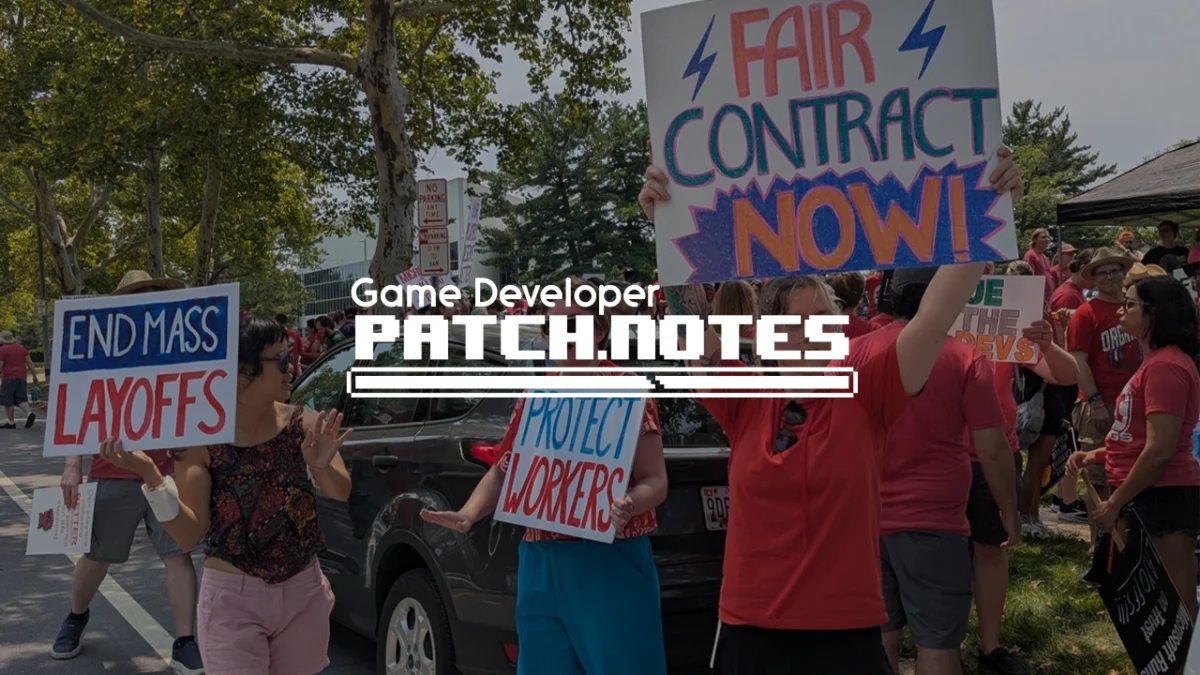
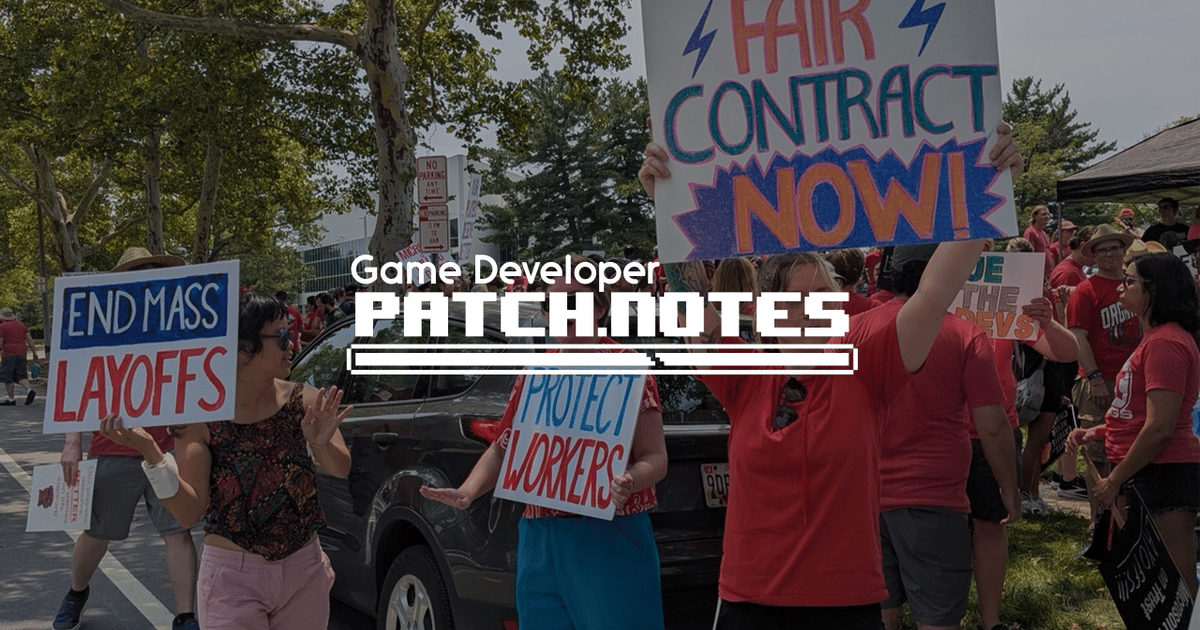
Microsoft’s Xbox division is facing a formidable challenge to its corporate reputation and labor practices following its decision to eliminate approximately 3,200 jobs before the fiscal year’s end. This substantial workforce reduction has triggered a wave of discontent, culminating in public rallies and formal legal complaints. Employees and labor advocates have responded with coordinated protests at various Microsoft locations, including its headquarters in Redmond, Washington, underscoring the deep dissatisfaction within the workforce.
The scale of these layoffs, which represent a significant portion of Xbox’s total workforce, has sent shockwaves through the industry. According to internal communications, the cuts were framed as necessary restructuring post-acquisition, particularly after the integration of Activision Blizzard King. However, affected employees and unions argue that the process has been mishandled, leading to allegations of unfair labor practices.
Allegations of Unfair Labor Practices and Coercive Actions
Labor unions representing Xbox workers have formally escalated their grievances, filing unfair labor practice charges against Microsoft. These legal actions, initiated by unions in the United States and Canada, accuse the tech giant of engaging in "coercive actions" and implementing "unilateral changes" to employee contracts without proper negotiation. The unions contend that Microsoft failed to adequately engage in "effects bargaining," a legally mandated process where employers must negotiate with unions over the impact of significant operational changes, such as layoffs, on their members.
Specifically, the unions allege that Microsoft’s communication and implementation of the layoffs bypassed established collective bargaining procedures, leaving workers vulnerable and without adequate representation. This move is seen by labor advocates as a direct challenge to the growing unionization efforts within the gaming sector, signaling a potential hardening of employer-employee relations.
Microsoft, for its part, has issued statements maintaining its commitment to a fair process. An Xbox spokesperson indicated that the company had reached out to union leaders to initiate effects bargaining and "remains committed" to engaging in that dialogue. However, the unions’ legal filings suggest a significant disconnect between Microsoft’s stated intentions and its actual conduct as perceived by its organized workforce.
A History of Cuts and a Climate of Uncertainty
These recent layoffs are not an isolated incident but rather the latest in a series of significant job cuts that have plagued the video game industry over the past two years. Data from industry tracking firms indicates that over 20,000 jobs were eliminated across the gaming sector in 2023, with thousands more already announced in the first half of 2024. Microsoft itself has been a significant contributor to these figures, with previous rounds of layoffs impacting various studios under its Xbox Game Studios umbrella, including Bethesda and ZeniMax.
The acquisition of Activision Blizzard King for a staggering $69 billion in 2023 was widely anticipated to lead to some level of consolidation and restructuring. However, the depth and breadth of the subsequent layoffs have surprised many, particularly given Microsoft’s public assurances about the benefits of the merger. Analysts point to a broader trend of cost-cutting and efficiency drives within large tech and entertainment conglomerates, often prioritizing shareholder value over workforce stability.
Worker Voices: A Climate of Fear and Uncertainty
The human toll of these layoffs is profound. Multiple anonymous sources, identified as former Xbox employees, have spoken out, painting a grim picture of chaos and uncertainty within the company. These testimonies highlight a significant loss of institutional knowledge, as experienced developers with years of expertise are let go. "The institutional knowledge that has been lost or will be lost completely as individuals leave the gaming industry altogether is staggering," one former employee lamented. "Those that are left must be scrambling to pick up the pieces."
The sentiment among remaining staff is reportedly one of fear and demoralization. Many fear that the rapid departures of key personnel could jeopardize ongoing projects, lead to increased workloads for those who remain, and ultimately impact the quality of future Xbox titles. The rapid succession of cuts, often without clear communication or rationale, fosters an environment where "good work is not going to save your job at this company," as another laid-off developer reportedly stated. This pervasive anxiety underscores the critical need for robust labor protections and clear communication during periods of corporate restructuring.
Leadership Exodus at ZeniMax Online Studios: A Blow to Elder Scrolls Online
Among the studios significantly impacted by the recent Xbox layoffs is ZeniMax Online Studios, the developer behind the highly successful massively multiplayer online role-playing game (MMORPG), The Elder Scrolls Online (ESO). The cuts have reached the highest echelons of leadership, with studio head Joe Burba, ESO executive producer Susan Kath, studio game director Rich Lambert, and production director Ala Diaz all departing the company.
This exodus of senior leadership is particularly noteworthy for a live-service game like ESO. The long-term success and stability of an MMORPG heavily rely on consistent vision, deep institutional knowledge, and strong leadership to guide ongoing content development, community engagement, and technical maintenance. The departure of individuals who have steered the game for years, some since its inception, raises significant questions about the future direction and stability of The Elder Scrolls Online.
The Elder Scrolls Online has been a critical revenue generator and a flagship title for ZeniMax and, by extension, Microsoft’s Xbox Game Studios. Launched in 2014, it has consistently delivered expansions and updates, maintaining a dedicated player base. The loss of its core leadership team could disrupt development cycles, impact strategic planning for future content, and potentially undermine morale among the remaining development staff. While ZeniMax Online Studios is a large and experienced studio, rebuilding leadership at this level, especially within a complex live-service environment, presents a substantial challenge.
A Veteran’s Farewell: Glen Schofield Retires from Game Development
In a separate but equally significant development, Glen Schofield, a highly influential figure in the video game industry, has announced his retirement from active game development. Schofield is widely recognized as the co-creator of the critically acclaimed horror game Dead Space and has a storied career that includes co-directing multiple successful Call of Duty titles such as Modern Warfare 3, Advanced Warfare, and WWII.
Schofield’s career spans several decades, marking him as a veteran developer who has witnessed and shaped significant eras of gaming. His work on Dead Space at Visceral Games is particularly lauded for its innovative approach to survival horror and its atmospheric design. More recently, he founded Striking Distance Studios, which developed The Callisto Protocol, a spiritual successor to Dead Space. While The Callisto Protocol received mixed reviews, Schofield’s commitment to the horror genre and his distinctive design philosophy remained evident.
His retirement marks the end of an era for a prominent creative voice in the industry. It also prompts reflection on the demanding nature of game development, which often leads to burnout even for seasoned professionals. Schofield’s departure, like that of other high-profile veterans, could signal a broader trend of experienced developers seeking new ventures or stepping away from the intense pressures of AAA game production.
Empowering the Workforce: New Union Initiatives in the UK
Amidst the industry’s turbulent landscape, labor organizations are actively working to empower and protect game workers. In the United Kingdom, two significant initiatives have been launched this week, focusing on contractual transparency and redundancy support.
Demystifying Contracts: The Writers’ Guild of Great Britain’s Guide
The Writers’ Guild of Great Britain (WGGB) has unveiled a free ‘good practice guide’ specifically tailored for video game writers in the UK. This digital resource aims to "demystify" the often-complex key contractual terms that game writers encounter, whether working freelance or in full-time roles. The guide provides essential know-how on intellectual property rights, payment structures, credit attribution, and other critical clauses that can significantly impact a writer’s career and livelihood.
For years, many creative professionals in the gaming industry, including writers, have navigated contracts without adequate legal expertise, often leading to unfavorable terms or disputes over ownership and compensation. The WGGB’s initiative seeks to address this power imbalance, equipping writers with the knowledge to negotiate more effectively and protect their creative output. This move aligns with a broader push for greater transparency and fairness in creative industries, advocating for standards that recognize the crucial role of narrative and storytelling in game development.
Defending Rights: IWGB Game Workers’ Redundancy Taskforce
In a direct response to the ongoing wave of layoffs, the Independent Workers’ Union of Great Britain (IWGB) Game Workers branch has formed a new ‘redundancy taskforce’. This taskforce is designed to provide comprehensive support to union members facing redundancy, ensuring that layoffs are "legally, justifiable, and fair." The initiative includes legal advice, negotiation support, and advocacy to challenge unfair dismissal or insufficient severance packages.
The formation of this taskforce underscores the grim reality that layoffs have become an increasingly "forgone conclusion in the current climate," as stated by the union. With thousands of workers impacted globally, the need for robust support mechanisms for those facing job loss has become paramount. The IWGB’s proactive stance aims to mitigate the devastating effects of job insecurity, offering a crucial lifeline to workers who might otherwise navigate the redundancy process alone. This initiative further solidifies the role of unions in advocating for workers’ rights in a rapidly changing and often volatile industry.
The rise of labor advocacy in gaming, both in the UK and internationally, reflects a maturing industry grappling with its labor practices. As the sector grows in economic significance, so too does the demand for fair treatment, equitable compensation, and job security for its workforce. These union initiatives are critical steps towards establishing new norms and standards for employment within the gaming industry.
GameStop’s Bold Pivot: Declaring Physical Game Sales "Irrelevant"
In a significant strategic declaration, GameStop CEO Ryan Cohen asserted that physical video game sales are "totally irrelevant" to the retailer’s business model. During a recent interview with Bloomberg TV, Cohen dismissed concerns about the industry’s accelerating shift towards digital distribution, including Sony’s confirmed decision to cease physical game sales by 2028. "It doesn’t matter at all," Cohen stated, reiterating his company’s commitment to a new strategic direction.
This pronouncement marks a decisive shift for GameStop, a company historically synonymous with physical game retail. For decades, GameStop thrived as a central hub for buying, selling, and trading physical game discs and cartridges. However, the advent of digital storefronts and high-speed internet has steadily eroded the physical media market, with digital downloads now dominating game sales globally. Industry data indicates that digital sales consistently account for over 80% of new game purchases in many major markets, a trend that has only accelerated.
Cohen’s vision for GameStop, which he outlined after gaining control of the company during its "meme stock" surge, involves a radical pivot away from its traditional core business. Instead, the company plans to focus heavily on gaming collectibles, merchandise, and other ancillary products. This strategy aims to leverage GameStop’s brand recognition and existing store footprint to become a destination for gaming culture rather than just game transactions.
Market reactions to Cohen’s statements have been mixed. While some analysts view the pivot as a necessary adaptation to an undeniable market trend, others express skepticism about whether collectibles alone can sustain a company of GameStop’s size, particularly given the competitive landscape of the merchandise market. Nevertheless, Cohen’s uncompromising stance signals a clear intent to reshape GameStop into a fundamentally different retail entity, acknowledging the irreversible nature of the industry’s digital transformation.
Broader Implications and the Road Ahead for the Gaming Industry
The confluence of these events paints a vivid picture of an industry in flux. The ongoing layoffs at Xbox and other major publishers highlight the human cost of consolidation and the precarious nature of employment even within a booming sector. The rise of labor activism and the proactive steps taken by unions signal a growing collective will among game workers to secure better protections and fair treatment. These efforts are likely to shape future employment practices, potentially leading to more robust severance packages, clearer contractual terms, and greater worker representation in corporate decision-making.
Simultaneously, the retail landscape is undergoing a seismic shift, exemplified by GameStop’s dramatic reorientation. The move away from physical media by console manufacturers like Sony and the strategic repositioning of major retailers will profoundly impact how consumers access and experience games. While digital convenience offers many benefits, it also raises questions about game preservation, ownership, and the role of physical retail in fostering gaming communities.
As the industry continues to evolve, navigating these complex challenges will require adaptability from companies, resilience from workers, and innovative solutions from all stakeholders. The coming years will likely be defined by ongoing labor struggles, technological advancements, and strategic reconfigurations, all of which will reshape the very fabric of the global video game industry.
About the Author