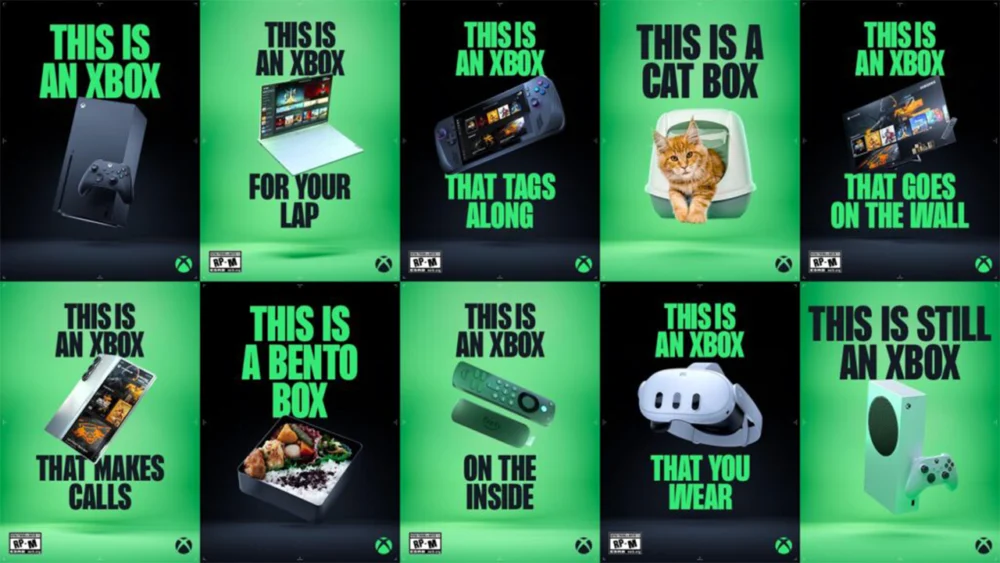
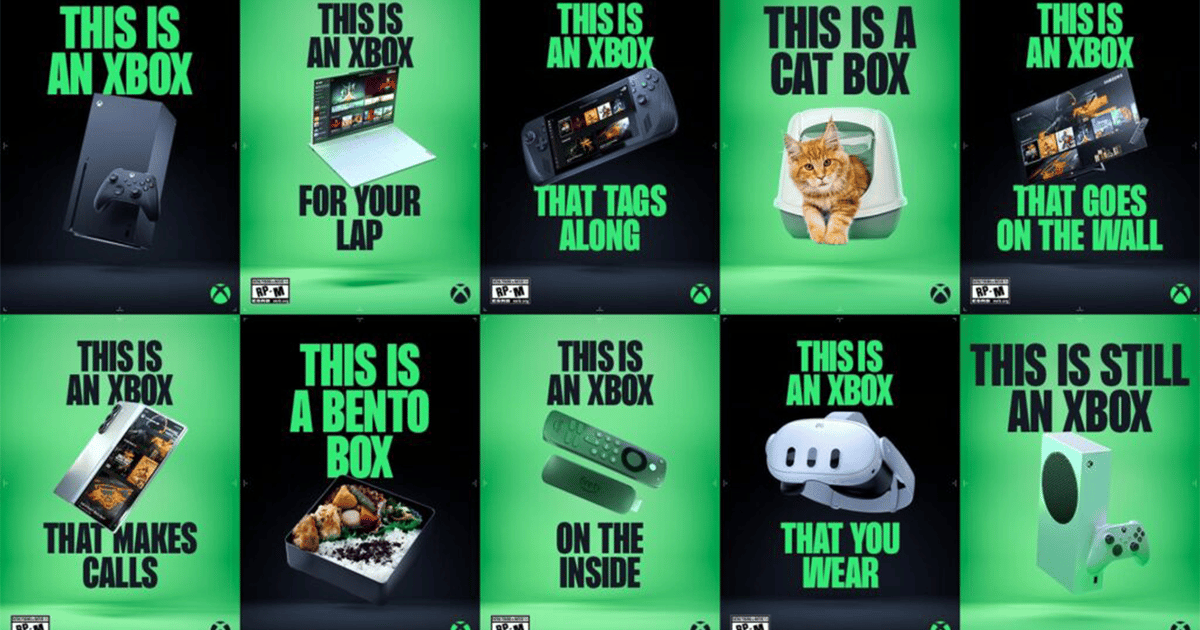
The marketing rallying cry, "This is an Xbox," once envisioned by Microsoft as the definitive statement of its gaming division’s expansive philosophy, has been quietly retired, marking a significant recalibration in the company’s approach to its gaming ecosystem. This strategic pivot coincides directly with a recent upheaval in Xbox leadership, including the departure of long-standing figures Phil Spencer and Sarah Bond, and the appointment of former AI executive Asha Sharma as the new head of the division. The subtle removal of the campaign’s foundational content from official channels suggests a deliberate move to distance the brand from a strategy that, while ambitious, reportedly caused internal friction and may no longer align with the company’s evolving vision.
The Genesis and Ambition of "This is an Xbox"
Launched with considerable fanfare in November 2024, the "This is an Xbox" campaign was more than just a slogan; it was a philosophical statement. Its core tenet was to redefine Xbox not merely as a console, but as a comprehensive platform accessible across a multitude of devices. The original blog post, now conspicuously absent from Xbox Wire – Microsoft’s official news repository for its gaming brand – passionately declared that the campaign would usher in an era "where people can play their favorite games, discover new adventures, and connect with friends, wherever and however they love to play." This vision championed fluidity and accessibility, aiming to transcend traditional hardware boundaries and establish Xbox as a ubiquitous gaming service.
At its heart, the campaign sought to articulate Microsoft’s aggressive push into cloud gaming, PC integration, and the burgeoning Game Pass subscription service. It aimed to convince consumers that an "Xbox experience" was no longer confined to a dedicated console unit under their television but could be enjoyed on a PC, a mobile device via cloud streaming, or even on competitor platforms through strategic porting initiatives. This was a bold stance in an industry historically defined by exclusive hardware and walled gardens, signaling Microsoft’s intent to broaden its reach and capture a larger audience base beyond the traditional console market. The campaign was meant to simplify a complex strategy into an easily digestible, overarching identity.
Evidence of the Campaign’s Discreet Disappearance
The retirement of "This is an Xbox" was not announced through any official press release or statement, but rather inferred through a series of digital removals. A search for the original blog post on Xbox Wire, which served as the campaign’s launchpad, now yields no results. Furthermore, direct links to the November 2024 announcement, such as the one previously available at https://news.xbox.com/en-us/2024/11/14/this-is-an-xbox/, now lead to a stark 404 error page. The message "We can not find the page you are looking for" greets visitors, a silent but clear indicator of the content’s deletion.
Curiously, the only remaining vestige of the campaign on Xbox Wire’s tagged results page for "This is an Xbox" is a single post from September 2025, featuring news about the ROG Xbox Ally. This lone survivor, an article detailing a handheld gaming device that indeed extends the "Xbox experience" beyond traditional consoles, ironically highlights the very premise of the campaign while its foundational content has vanished. The original declaration, however, remains accessible through digital archives like Archive Today, serving as a historical record of Microsoft’s now-retracted strategic communication. This quiet digital erasure suggests a rapid and decisive shift in direction by the new leadership, keen to articulate a fresh narrative for the Xbox brand without the shadow of previous strategies.
Leadership Transition and Internal Discontent
The decision to jettison "This is an Xbox" cannot be viewed in isolation; it is deeply intertwined with recent, significant changes at the helm of Microsoft’s gaming division. Weeks prior to this quiet removal, the industry witnessed the departure of two prominent figures: Phil Spencer, who had steered Xbox through a transformative decade, and Sarah Bond, a key architect of its platform strategy. Their exit paved the way for Asha Sharma, an executive with a background in artificial intelligence, to assume leadership.
Reports from outlets like The Verge indicated that the "This is an Xbox" campaign, and the broader platform-agnostic strategy it represented, was spearheaded by Sarah Bond. More critically, it was claimed that this strategic direction, particularly its perceived de-emphasis on dedicated console hardware, generated significant internal pushback and discontent among some Xbox employees. The idea of "a vast pivot away from console" reportedly ruffled feathers within teams accustomed to a console-first identity and may have contributed to the leadership shake-up. This internal friction underscores the delicate balance Microsoft must strike between expanding its ecosystem and maintaining its core identity and appeal to traditional console gamers and developers. The campaign, while conceptually innovative, may have struggled to resonate internally or externally with the clarity Microsoft intended.
Xbox’s Evolving Multiplatform Landscape
Even as the "This is an Xbox" campaign is retired, the underlying multiplatform reality it sought to articulate remains a dominant characteristic of Microsoft’s current gaming strategy. Over the past year, Xbox has demonstrably embraced a more expansive approach, porting several of its previously exclusive first-party titles to rival platforms. Major franchises, including critically acclaimed games like Hi-Fi Rush, Pentiment, Grounded, and Sea of Thieves, have made the jump to PlayStation 5 and, in some cases, Nintendo hardware. These moves, initially met with surprise and speculation, have since become an established part of Xbox’s operational playbook, aimed at expanding reach, monetizing existing assets, and growing the Game Pass subscriber base.
Beyond console rivals, Xbox has also significantly invested in its PC Game Pass offering, ensuring a robust library of titles is available to PC gamers day-and-date with their console counterparts. Furthermore, the company has made concerted efforts to establish a dedicated Xbox marketplace on mobile devices, though this initiative, first promised for July 2024, has yet to fully materialize. These strategic decisions reflect a clear intent to transcend traditional hardware boundaries and meet players wherever they are, a core tenet that "This is an Xbox" sought to encapsulate. The paradox is that while the messaging campaign is gone, the multiplatform strategy it represented largely persists, suggesting a refinement in communication rather than a wholesale abandonment of the underlying business model.
A Renewed Emphasis on Console Hardware: Project Helix
In a seemingly counterpoint development that further highlights the strategic re-evaluation underway, Microsoft recently reaffirmed its commitment to dedicated console hardware. At the GDC Festival of Gaming, the company lifted the lid on its next-generation device, currently codenamed "Project Helix." This announcement underscored a renewed focus on placing console hardware "at the heart of its business," a sentiment that could be interpreted as a course correction after years of emphasizing a platform-agnostic approach.
However, the details surrounding Project Helix reveal a nuanced strategy rather than a complete retreat to traditional console exclusivity. The mysterious system is also slated to play PC titles, indicating that Microsoft is not entirely abandoning its ambitions of building a larger, more interconnected playground for Xbox owners. Instead, it appears to be seeking a more balanced approach, one that integrates hardware innovation within a broader ecosystem. Project Helix could represent a hybrid device, blurring the lines between console and PC, and offering a premium Xbox experience that remains distinct while also being deeply integrated into the wider Microsoft gaming landscape. This strategy suggests an evolution from the somewhat ambiguous "platform over console" message to a more refined "console as a powerful gateway to a broader platform" narrative.
The New Leadership’s Vision and Implications
The subtle yet decisive retirement of "This is an Xbox" under new leadership signals a fresh chapter for the brand. Asha Sharma’s recent statement to Windows Central – "the plan’s the plan until it’s not the plan" – offers a glimpse into the flexible and pragmatic mindset now guiding Xbox. This decidedly vague yet insightful remark can be interpreted as an acknowledgment of the dynamic nature of the gaming industry and Microsoft’s willingness to adapt its strategies, even those recently established, in response to market realities, internal feedback, and evolving objectives.
The implications of this shift are multi-faceted. Firstly, it suggests a potential desire to re-center the Xbox brand identity, perhaps moving away from a message that some found diluted its hardware presence. By removing the explicit "platform over console" rhetoric, the new leadership may aim to create a clearer, more coherent brand message that can unify internal teams and resonate more effectively with consumers. Secondly, it could indicate a strategic re-evaluation of how Game Pass and cloud gaming are positioned. While these services remain crucial, the emphasis might shift from them being the Xbox experience to being components of a broader, more cohesive Xbox ecosystem that still values a strong hardware anchor.
The timing also implies a desire to distance the new era of Xbox from past controversies or perceived missteps. If, as reported, the "This is an Xbox" campaign caused internal dissent, its removal could be a conciliatory gesture, signaling a fresh start and a more inclusive approach to defining the brand’s future. The challenge for Asha Sharma and her team will be to articulate this new vision clearly and effectively, avoiding the ambiguities that reportedly plagued the previous campaign.
Broader Market Context and Future Outlook
The gaming industry is in a constant state of flux, characterized by intense competition from Sony’s PlayStation, Nintendo, and the ever-expanding PC gaming market. Microsoft’s strategic decisions are always viewed through this lens. While Game Pass has achieved significant subscriber numbers (reportedly over 34 million as of early 2024, though official updates are less frequent), the struggle to consistently grow console market share remains a persistent challenge. The previous strategy aimed to circumvent hardware limitations by expanding the platform; the new approach, while not abandoning that expansion, appears to seek a stronger anchor in hardware.
The quiet shelving of "This is an Xbox" leaves many questions unanswered about the precise trajectory of the brand. Will there be a renewed push for console exclusives to drive Project Helix sales, or will the multiplatform expansion continue unabated, simply without the explicit marketing tagline? How will Microsoft balance its ambition to reach every screen with the desire to foster a strong, distinct Xbox identity rooted in innovation and compelling experiences? The development of the mobile marketplace, still largely unfulfilled despite earlier promises, also remains a critical component of Microsoft’s broader ecosystem play, and its success will be integral to the company’s "wherever you love to play" vision, regardless of the overarching marketing slogan.
As Microsoft embarks on this new chapter under Asha Sharma, the industry will be closely watching for clearer signals regarding its strategic priorities. The days of "This is an Xbox" being uttered as the definitive statement appear to be over, replaced by a more enigmatic, yet potentially more focused, approach to navigating the complex and competitive landscape of modern gaming. Game Developer has reached out to Xbox for official comment on this development, awaiting further clarity on what promises to be a transformative period for the brand.
About the Author