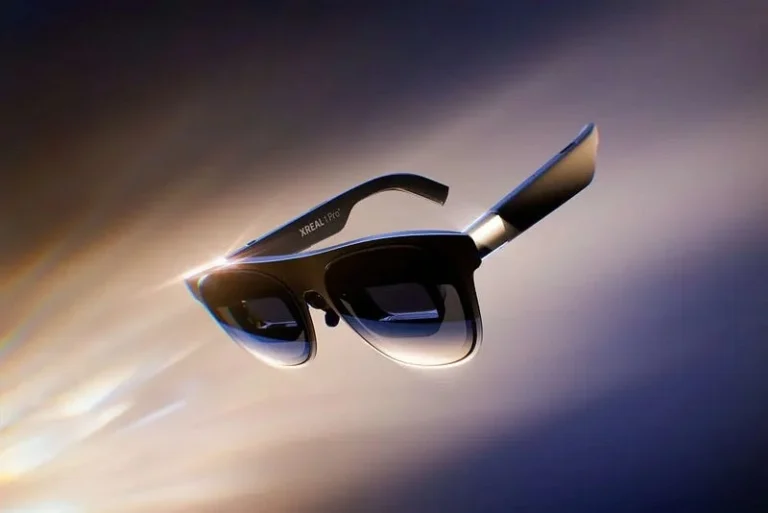
Alibaba Group Holding Limited has officially introduced its latest advancement in wearable technology, the Qwen N1 series smartglasses, during a recent technology summit in Hangzhou. This launch marks a significant expansion for the Chinese conglomerate, transitioning its proprietary Qwen large language models (LLMs) into specialized hardware designed to challenge existing market leaders in the smart wearable sector. The N1 series, particularly the high-end N1 Pro model, introduces several hardware features previously absent from mainstream smartglasses, including sub-millimeter eye-tracking cameras and medical-grade health monitoring sensors integrated directly into the frame.
Technical Specifications and Performance Benchmarks
The Qwen N1 series is positioned as a high-performance alternative to current market offerings, such as the Ray-Ban Meta smartglasses. Alibaba has focused heavily on optical hardware and power efficiency to differentiate its product. The N1 Pro features a 50-megapixel primary camera capable of recording video in 4K resolution, a substantial increase over the 12-megapixel sensors found in many competing devices. This high-resolution sensor is intended to support both high-quality content creation and more accurate visual recognition for the onboard AI.
Battery performance represents another area of significant investment. The N1 series is rated for up to nine hours of continuous music streaming or 25 hours of standby time. In comparison, industry standards for similar form factors typically hover around six hours of active use. While the N1 series utilizes a streamlined, display-less design to maintain a lightweight profile, its internal architecture is optimized for the heavy computational demands of real-time AI processing and high-definition video capture.

The Evolution of Alibaba’s Hardware Strategy
The announcement of the N1 series follows a period of iterative prototyping by Alibaba’s hardware divisions. Earlier iterations of Alibaba-backed smartglasses featured monochrome heads-up displays (HUDs) and experimental modular components, such as swappable battery temples. However, the N1 series represents a pivot toward a "hidden technology" philosophy, where the glasses appear as standard eyewear but house sophisticated sensors.
This strategic shift aligns with the broader industry trend of "AI-first" wearables. Rather than focusing on augmented reality (AR) visuals, which often require bulky hardware and high power consumption, Alibaba has prioritized audio-based AI assistance and environmental awareness. The N1 glasses are designed to function as a seamless interface for the Qwen AI ecosystem, allowing users to interact with their environment through voice commands and visual queries.
Precision Eye Tracking and Contextual AI
The most distinctive feature of the Qwen N1 Pro is the integration of dual 1.7mm micro-cameras dedicated to eye tracking. Located on the interior of the frame, these sensors monitor the wearer’s gaze with a reported accuracy error of less than one degree. This technology allows the onboard AI to understand exactly what the user is looking at, rather than inferring focus based on general head orientation.
Industry analysts suggest that integrated eye tracking could resolve one of the primary friction points in wearable AI: contextual accuracy. By knowing the specific object or text a user is observing, the Qwen AI can provide more relevant information regarding products, landmarks, or documents. Beyond consumer convenience, this feature has significant implications for industrial applications, such as professional training and maintenance, where the device can verify that a technician has checked specific safety indicators or followed a precise visual checklist.

Biometric Security and Ecosystem Integration
As a product of the Alibaba ecosystem, the N1 series is deeply integrated with the company’s financial and retail services. The eye-tracking modules serve a dual purpose by enabling iris-based biometric authentication. This allows users to authorize secure transactions via Alipay directly through the glasses. In a retail environment, a user can look at a merchant’s QR code and confirm a payment through iris recognition, eliminating the need to reach for a smartphone.
The glasses also facilitate direct interaction with Taobao, Alibaba’s e-commerce platform. Users can query the AI to search for products they see in the physical world or reorder frequently purchased items using voice commands. This level of vertical integration is a cornerstone of Alibaba’s strategy to maintain user engagement within its proprietary digital economy.
Integrated Health Monitoring and Wellness
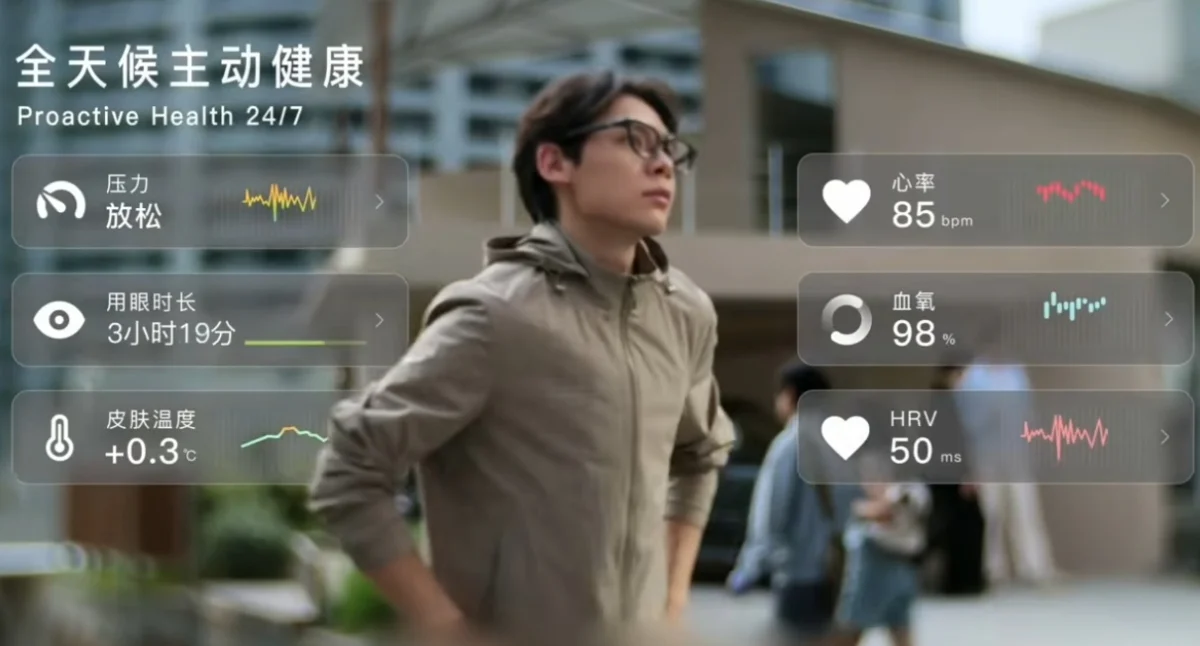
Expanding the utility of smartglasses into the wellness sector, the N1 Pro includes a suite of health sensors embedded in the nose bridge. These sensors are capable of measuring heart rate, body temperature, and other vital signs. By placing these sensors in constant contact with the skin of the bridge of the nose, the device can provide continuous health data without the need for a smartwatch.
This integration reflects a growing trend of "biometric convergence," where multiple wearable devices collaborate to provide a holistic view of user health. For professional users, these sensors can monitor stress levels during high-pressure tasks, while general consumers can use the data to track fitness metrics or early signs of illness. The inclusion of these sensors moves the N1 series closer to the functionality of a medical-grade wearable while maintaining the form factor of traditional eyewear.

Market Positioning and Pricing Structure
Alibaba has adopted a competitive pricing strategy for the N1 launch. The flagship Qwen N1 Pro is priced at 3,499 yuan (approximately $490 USD), with a promotional launch price of 2,600 yuan (approximately $390 USD). The standard N1 model, which lacks the eye-tracking and health-monitoring modules, is positioned at 2,999 yuan (approximately $450 USD), with similar launch discounts.
While these price points are higher than some entry-level smartglasses, they reflect the inclusion of high-end camera optics and specialized sensor arrays. Currently, the N1 series is slated for release exclusively within the Chinese market. Given the heavy reliance on China-specific services like Alipay and the Qwen LLM’s optimization for the Chinese language, an immediate international rollout appears unlikely without significant software localization and new regional service partnerships.
Industry Implications and Privacy Considerations
The introduction of high-precision eye tracking in a consumer-grade device raises important questions regarding data privacy and surveillance. Unlike external cameras, which are often accompanied by recording indicators, eye-tracking sensors operate internally and capture intimate data regarding user attention and interest. In Western markets, where data protection regulations such as GDPR are stringent, the harvesting of gaze data would likely face significant legal and ethical scrutiny.
However, within the context of the Chinese technology landscape, the N1 Pro represents a major step forward in human-computer interaction. By combining high-resolution visual capture with precise gaze tracking and biometric health data, Alibaba is attempting to define the next generation of ambient computing. The success of the N1 series will likely depend on whether users find the added utility of eye-tracking and health monitoring sufficient to justify the increased cost and the continuous collection of personal data.

As the wearable market continues to mature, the Qwen N1 Pro serves as a blueprint for how AI companies may leverage hardware to deepen their ecosystem integration. By moving the interface from the pocket to the face, Alibaba is positioning itself at the forefront of a shift toward more natural, context-aware digital assistance.
About the Author