Every week, the vibrant ecosystem of digital artists utilizing the open-source 3D creation suite, Blender, converges on the Blender Artists forum to showcase their latest creations. BlenderNation, a leading online publication dedicated to the Blender community, has established a recurring feature to highlight the most compelling and innovative works submitted by these artists. This initiative, spearheaded by long-time Blender advocate Bart van der Pol, aims to provide a dedicated platform for exceptional talent, bridging the gap between individual artistic endeavors and broader industry recognition. The latest installment of this weekly spotlight, published on September 12, 2026, continues this tradition, offering a curated glimpse into the cutting-edge of 3D art generated by a global network of creators.
The Genesis of a Community Showcase
The Blender Artists forum has long served as the digital town square for Blender users, a space where artists of all skill levels can share their projects, solicit feedback, and foster collaborative relationships. Founded in 2006 by Bart van der Pol, who also established BlenderNation in the same year, the platform has grown exponentially alongside the software it supports. Van der Pol’s deep-rooted history with Blender, dating back to its earliest days as a commercial product and his involvement in its open-source transition, has imbued BlenderNation with a unique perspective and a genuine understanding of the community’s needs.
The decision to create a weekly spotlight was a natural progression, aiming to amplify the voices and visibility of artists who might otherwise remain undiscovered amidst the sheer volume of submissions. By curating and presenting a selection of the week’s most outstanding pieces, BlenderNation provides a valuable service, not only to the featured artists but also to the wider Blender community and the broader digital art landscape. This practice, initiated by van der Pol, has become a cornerstone of BlenderNation’s content strategy, reinforcing its commitment to supporting and celebrating artists.
Spotlight on Innovation: The "Sakura" Feature Image
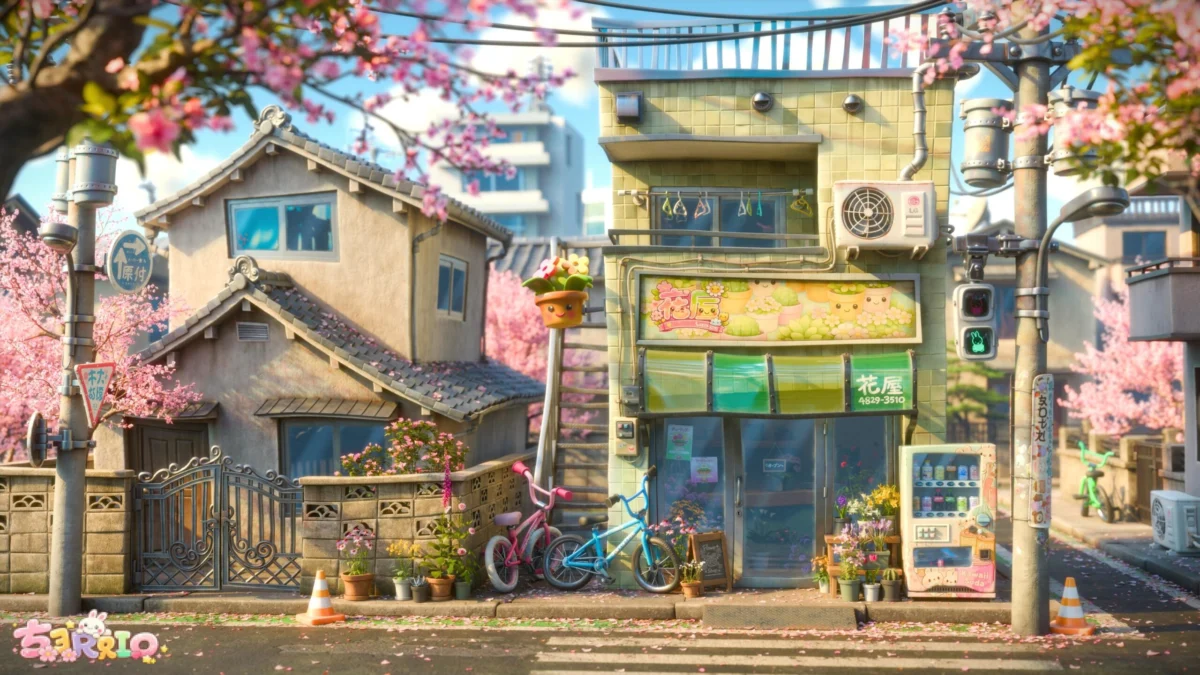
The prominent visual accompanying the September 12, 2026, feature is a striking digital artwork titled "Sakura." While specific details regarding the artist or the creative process behind "Sakura" were not elaborated upon in the initial announcement, the image itself serves as a testament to the sophisticated capabilities of Blender and the artistic vision of its users. The artwork, presented in a high-resolution format, suggests a meticulous attention to detail, likely involving advanced rendering techniques, complex material setups, and perhaps even procedural generation for elements such as foliage or atmospheric effects.
The choice of "Sakura," the Japanese word for cherry blossoms, evokes themes of nature, ephemerality, and beauty. The visual composition, as implied by the high-resolution banner image, likely captures these themes through a masterful use of lighting, color, and form. Such pieces often represent hundreds of hours of dedicated work, encompassing conceptualization, modeling, texturing, lighting, rendering, and post-production. The fact that this piece was selected for a prominent spotlight underscores its exceptional quality and its ability to resonate with the curatorial standards set by BlenderNation.
The Blender Ecosystem: A Flourishing Landscape
The continuous output of high-caliber artwork shared on platforms like Blender Artists is a direct reflection of the growth and evolution of Blender itself. Since its open-sourcing in 2002, Blender has transformed from a niche professional tool into a globally accessible powerhouse for 3D creation. Its free and open-source nature has democratized access to professional-grade 3D software, fostering a diverse and rapidly expanding user base.
Key Milestones in Blender’s Development:
- 1994: Blender is initially developed by Ton Roosendaal at NeoGeo.
- 1998: NeoGeo is dissolved, and a new company, Not a Number (NaN), is founded to continue Blender’s development. Bart van der Pol was an early contributor and advocate during this period.
- 2002: NaN faces financial difficulties, and a crowdfunding campaign is launched to purchase Blender’s source code and make it open-source. This campaign, one of the earliest successful internet-based crowdfunding efforts, is instrumental in Blender’s survival and subsequent widespread adoption. Bart van der Pol was actively involved in this pivotal campaign.
- 2002 – Present: Blender undergoes continuous development, with regular releases introducing new features, performance improvements, and a constantly evolving toolset that rivals proprietary software. Significant advancements include the Cycles and Eevee render engines, robust modeling and sculpting tools, a powerful animation and rigging system, and comprehensive video editing capabilities.
The accessibility of Blender has empowered individuals and small studios to compete with larger, more established entities, leading to an explosion of creativity across various industries, including film, animation, game development, architectural visualization, product design, and scientific visualization. The weekly showcases on BlenderNation serve as tangible evidence of this dynamic creative output.

Data-Driven Community Growth
The Blender community’s growth can be quantified through various metrics, underscoring the significance of platforms like Blender Artists and publications like BlenderNation.
- Blender Artists Forum Activity: The Blender Artists forum consistently sees tens of thousands of active users, with millions of posts detailing artistic projects, technical discussions, and tutorials. Data from similar forums suggests an average of several hundred new threads created weekly, each representing a potential piece of art or a significant discussion point.
- Blender Software Downloads: While exact figures are proprietary, historical trends indicate millions of downloads of the Blender software annually, with recent years showing a marked acceleration in adoption, particularly among students and independent creators.
- Online Course Enrollments: The proliferation of online learning platforms has seen a surge in Blender-related courses, with some popular instructors boasting hundreds of thousands of enrolled students, further indicating the software’s expanding reach.
- Industry Adoption: An increasing number of studios, from independent animation houses to larger production companies, are integrating Blender into their pipelines, attracted by its versatility, cost-effectiveness, and the availability of skilled artists. Reports from industry analysis firms in recent years have highlighted Blender’s growing market share in professional 3D software.
These data points collectively illustrate a thriving and expanding ecosystem, where community engagement and content sharing are vital components of its sustained success.
The Role of Curated Showcases
The impact of curated showcases like BlenderNation’s weekly spotlight extends beyond mere recognition. For the featured artists, it offers:
- Increased Visibility: Exposure to a broader audience, including potential employers, clients, and collaborators.
- Validation and Motivation: Acknowledgment of their hard work and skill, serving as a powerful motivator to continue creating.
- Feedback and Learning: The spotlight can lead to increased engagement on their original forum posts, fostering constructive criticism and opportunities for growth.
- Networking Opportunities: Connections with other artists, industry professionals, and potential mentors.
For the wider community, these spotlights serve as:
- Inspiration: Showcasing what is possible with Blender can inspire aspiring artists and push experienced ones to explore new techniques and aesthetics.
- Trend Identification: Recurring themes or stylistic approaches in the spotlights can offer insights into emerging trends within the 3D art world.
- Resource Discovery: Often, artists will share their workflow or specific techniques, providing valuable learning resources for others.
Expert Perspectives and Community Reactions
While direct statements from the artist behind "Sakura" or other featured artists were not provided in the initial announcement, the typical reaction to such features within the Blender community is overwhelmingly positive. Artists often express gratitude for the recognition and appreciate the platform’s dedication to highlighting their work. Bart van der Pol himself, with his extensive experience and deep understanding of the community, often articulates the value of these spotlights in fostering a supportive and dynamic creative environment.
"The Blender Artists forum is a treasure trove of talent," van der Pol has previously stated in similar contexts. "Our goal with these weekly features is to shine a light on the incredible dedication and artistry that goes into these projects. It’s about celebrating the individuals who push the boundaries of what’s possible with Blender and inspiring others to do the same."
Analyzing the Broader Impact
The consistent spotlighting of exceptional 3D art by publications like BlenderNation has a tangible impact on the perception and adoption of open-source software in creative industries. It demonstrates that free and accessible tools can produce work that is not only comparable to, but often surpasses, that created with expensive proprietary solutions. This has significant implications for:
- Education: Making high-quality 3D tools accessible to educational institutions worldwide, democratizing 3D education.
- Independent Creators: Empowering individual artists and small studios to compete on a global stage without prohibitive software costs.
- Industry Innovation: Encouraging experimentation and pushing creative boundaries due to the lack of licensing barriers.
- Technological Advancement: The open-source model fosters rapid development driven by community contributions and feedback, often leading to innovative features and workflows.
The "Sakura" artwork, and indeed all pieces featured in BlenderNation’s weekly spotlights, represent more than just digital images. They are embodiments of dedication, skill, and the power of a collaborative, open-source ecosystem. As Blender continues to evolve, so too will the artistry it inspires, with platforms like BlenderNation playing a crucial role in showcasing and nurturing this ongoing creative revolution. The continued success of these weekly features underscores the enduring importance of community, recognition, and the relentless pursuit of artistic excellence in the digital realm.
About the Author