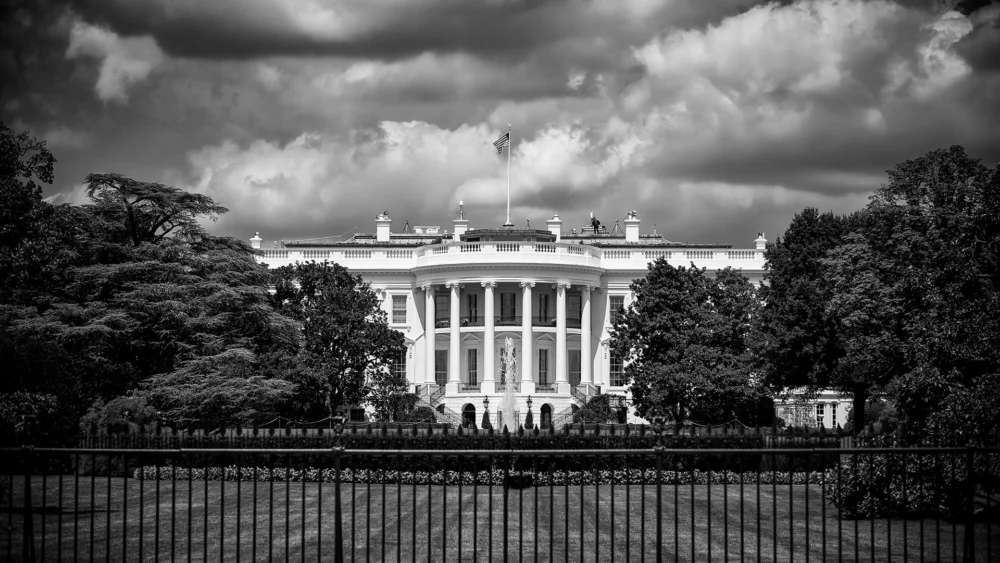
On a recent occasion, the official White House X (formerly Twitter) account published a video that provocatively juxtaposed actual footage from recent strikes in Iran—incidents which reportedly resulted in the deaths of over 175 individuals, including children—with clips from the popular video game Call of Duty: Modern Warfare 3. The controversial video, which was brought to public attention by journalist Drew Harwell, prominently featured a "killstreak" animation, a graphic often awarded to players within the game for achieving a specified number of consecutive kills. This specific animation, typically a celebratory visual within the gaming context, drew immediate and widespread criticism for its perceived insensitivity when paired with footage depicting real human casualties.
The controversy deepened when Harwell followed up his initial observation with a YouTube short, revealing a striking response from Steven Cheung, the White House communications director. Cheung had quote-tweeted Harwell’s original post with the phrase, "W’s in the chat, boys!" Harwell subsequently explained this vernacular, noting that it is "basically Twitch speak for ‘let’s celebrate.’" The use of such informal, gaming-centric slang by a high-ranking White House official to seemingly celebrate or acknowledge military actions that resulted in significant loss of life amplified concerns among observers and critics. Harwell articulated the core concern, stating that in a situation involving hundreds of fatalities, both the official White House post and the subsequent response appeared to treat the grave circumstances "like a big joke."
A Disturbing Pattern: Gaming References in Government Action
This incident is not an isolated anomaly but rather part of a discernible pattern where references to video games have infiltrated official government communications and even on-the-ground operations. In January of a prior year, a federal agent involved in a confrontation with anti-ICE (U.S. Immigration and Customs Enforcement) protestors in Minneapolis was audibly captured on camera exclaiming, "It’s like Call of Duty." This remark, made during a tense real-world law enforcement operation, drew parallels between the agent’s experience and the immersive, often violent, scenarios depicted in the popular first-person shooter franchise. Critics at the time pointed to the potential for such comparisons to desensitize agents to the gravity of their duties and the human impact of their actions.
The Department of Homeland Security (DHS) has also been a prominent user of video game and pop culture iconography in its public messaging campaigns. In the fall of a recent year, the agency notably deployed images and phrases derived from the beloved Pokémon and Halo franchises in posts disseminated across various platforms. These campaigns were specifically linked to their deportation efforts, aiming to communicate government policies in a manner that was ostensibly more "relatable" to a younger, digitally native audience.
Independent journalist Alyssa Mercante further illuminated this strategic approach by sharing a direct response from DHS in October following the widespread attention garnered by the Halo-themed memes. The DHS statement explicitly outlined its communication philosophy: "We will reach people where they are with content they can relate to and understand, whether that be Halo, Pokémon, Lord of the Rings, or any other medium," the response stated. It went on to affirm the agency’s "laser focus" on disseminating messages concerning "criminal illegal aliens." This candid admission underscored a deliberate governmental strategy to leverage popular culture, including video games, as a conduit for policy promotion and ideological dissemination, even when dealing with sensitive and often contentious issues.
The Context of the Iranian Strikes: A Humanitarian Perspective
The White House’s controversial video emerged against the backdrop of significant geopolitical tensions and real-world human suffering. While the specific details surrounding the Iranian strikes referenced in the video were not fully elaborated upon in the initial reports, public information generally indicates that such military actions are often part of broader strategic objectives in complex regional conflicts. These objectives might include targeting specific military assets, infrastructure, or personnel deemed a threat to national security interests or allied forces.
However, the human toll of such operations is invariably severe. Reports of over 175 fatalities, including children, underscore the tragic reality of modern warfare and the devastating impact it has on civilian populations. Each casualty represents a life lost, a family shattered, and a community deeply affected. Humanitarian organizations universally condemn the loss of innocent lives in armed conflicts and consistently advocate for adherence to international humanitarian law, which mandates the protection of civilians. The juxtaposition of these grim statistics with the celebratory animations of a video game profoundly disturbed many, highlighting a perceived disconnect between the digital representation and the stark, painful reality of conflict.
The "Meme Presidency" and the Blurring of Lines
The incidents involving the White House, DHS, and federal agents are symptomatic of a broader phenomenon often termed the "meme presidency" or the "digital-first" approach to political communication. In an era dominated by social media platforms and short-form content, political entities increasingly seek to engage audiences through viral, culturally resonant mediums. This approach prioritizes brevity, relatability, and shareability, often at the expense of traditional gravitas and nuance.
The use of video game iconography, slang, and aesthetics is a calculated move to tap into a vast demographic that is highly active online. Proponents of this strategy argue that it is an effective way to "meet people where they are," making government messages more accessible and digestible, particularly for younger generations. They might contend that traditional forms of communication fail to resonate in a rapidly evolving media landscape.
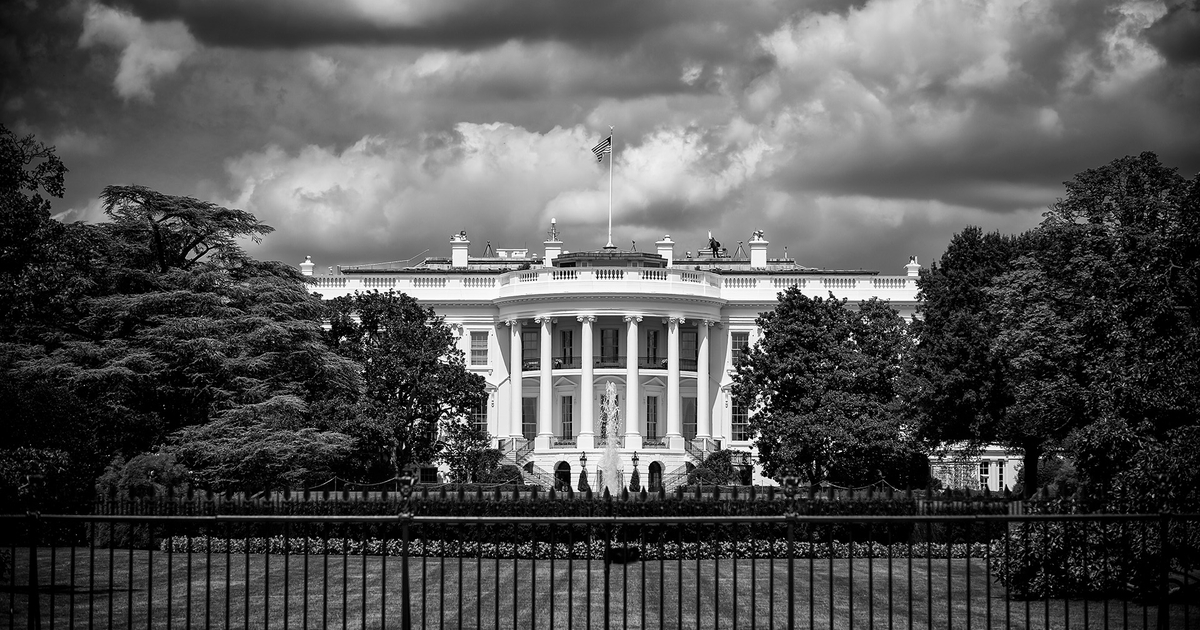
However, critics argue that this approach carries significant risks. The trivialization of serious issues, particularly those involving life and death, is a primary concern. When real military operations and their human costs are framed within the context of a game like Call of Duty, there is a danger of desensitizing the public to the horrors of war. The emotional distance created by digital media can further exacerbate this, making it easier for audiences to perceive conflict as entertainment rather than a profound human tragedy. The "killstreak" animation, specifically, serves as a celebration of successful engagements within a game, and its application to real-world fatalities implies a similar celebratory tone, which many find morally reprehensible.
Furthermore, the casual adoption of internet slang like "W’s in the chat, boys!" by official government spokespersons raises questions about the appropriate decorum and solemnity expected from public servants discussing matters of national security and international conflict. While informal language can foster relatability, it can also erode trust and undermine the gravity of official communications, potentially signaling a lack of seriousness or empathy regarding the consequences of policy decisions.
Ethical Implications and Public Reaction
The ethical implications of using video game references in government messaging about real-world violence are multifaceted. Firstly, it raises questions about the objectification of victims. By reducing complex human suffering to game mechanics or celebratory animations, the humanity of those affected by conflict can be diminished. This can have long-term psychological effects on both the public consuming the content and potentially on the individuals involved in executing the actions.
Secondly, it blurs the lines between reality and fiction. Call of Duty is a fictional depiction of warfare, designed for entertainment. When its aesthetics and language are directly imported into discussions of actual military operations, it risks distorting the public’s understanding of real conflict, making it seem less dangerous, less painful, and less consequential than it truly is. This blurring can undermine critical thinking and foster a detached, almost voyeuristic, relationship with global events.
Public reactions to these incidents have been largely polarized. While some online communities, particularly those steeped in gaming culture, might find such messaging relatable or even amusing, a significant portion of the public, including human rights advocates, media ethicists, and concerned citizens, have expressed outrage and deep discomfort. They view it as a profound disrespect for human life and a dangerous precedent for government communication. Gaming communities themselves are not monolithic; many gamers are critical of such appropriations, recognizing the vast difference between virtual and real violence.
International observers and human rights organizations have frequently condemned rhetoric or imagery that minimizes the impact of armed conflict. Such communications from a major global power could be perceived as flippant or dismissive, potentially complicating diplomatic relations and fueling anti-Western sentiment in affected regions.
The Path Forward: Scrutiny and Responsibility
The White House’s controversial X post and the subsequent response by its communications director underscore the urgent need for critical scrutiny of government communication strategies in the digital age. As the DHS statement itself indicated, the strategy of using pop culture references to "reach people where they are" is not a fleeting trend but a deliberate, ongoing approach. Therefore, the public, media, and oversight bodies must remain vigilant.
Questions arise regarding the internal vetting processes for such communications within government agencies. What ethical guidelines, if any, govern the use of popular culture references, particularly those related to violence, when discussing real-world conflicts or law enforcement actions? The immediate backlash suggests a disconnect between the communicators’ intent and the public’s perception of appropriateness and respect.
For the gaming industry, such appropriation also presents a complex challenge. While the industry thrives on cultural relevance, its products being used to frame real-world military actions can lead to uncomfortable associations and calls for greater corporate responsibility. Game Developer has reportedly reached out to Microsoft, the parent company of Activision Blizzard (publisher of Call of Duty), for comment. The response from such corporations could shed light on their stance regarding the unauthorized and controversial use of their intellectual property in governmental messaging.
In conclusion, the White House’s deployment of Call of Duty imagery in relation to the Iranian strikes serves as a stark reminder of the evolving nature of political communication. While aiming for relatability and virality, such strategies risk profound ethical missteps, potentially trivializing human suffering, eroding public trust, and blurring the crucial distinction between digital entertainment and the somber realities of international conflict. As the "meme presidency" continues to leverage popular culture, the debate over responsibility, empathy, and appropriate discourse in government messaging will only intensify.
About the Author