The global mobile gaming landscape has experienced a significant surge in activity this week, characterized by the expansion of legendary intellectual properties, the testing of new hybrid-casual mechanics, and a notable shift in distribution strategies among major publishers. From Sony’s continued push into the mobile sector with the Ratchet & Clank franchise to Netflix’s deepening integration of cloud-based controller technology, the industry is witnessing a concerted effort to bridge the gap between traditional console experiences and portable platforms. This week’s developments highlight a diversifying market where legacy brands, indie darlings, and experimental roguelites are competing for player retention in an increasingly crowded digital storefront environment.
Sony’s Strategic Expansion with Ratchet & Clank: Ranger Rumble
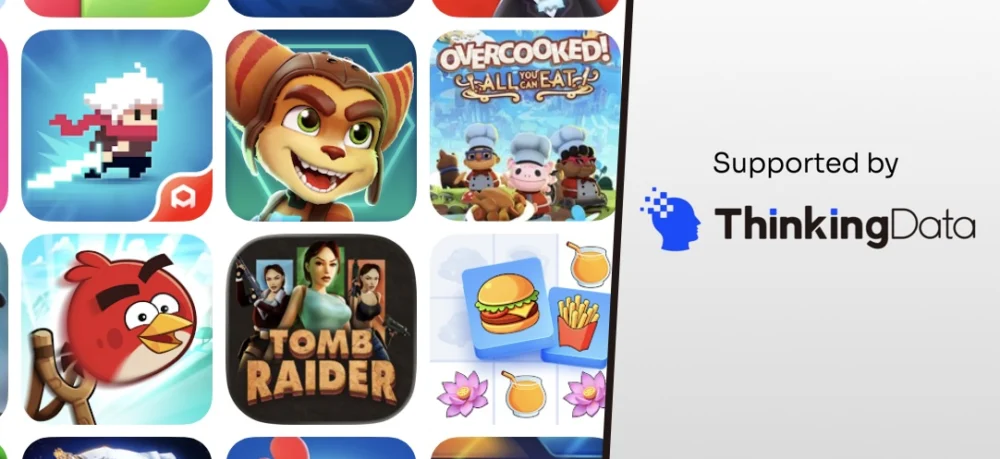
Sony Interactive Entertainment, in collaboration with developer Oh BiBi, has officially entered the soft launch phase for Ratchet & Clank: Ranger Rumble. This title represents a pivot for the storied franchise, transitioning from its traditional single-player platforming roots into a multiplayer platformer arena shooter. According to data from Appmagic, the title is currently playable in France, Denmark, Finland, Indonesia, Norway, Sweden, and the Philippines.
The move is seen as a core component of Sony’s broader strategy to leverage its first-party IP on mobile devices. By partnering with Oh BiBi—a studio known for mobile hits like FRAG Pro Shooter—Sony is attempting to translate the high-octane, gadget-heavy gameplay of Ratchet & Clank into a competitive mobile format. Industry analysts suggest that this soft launch serves as a critical stress test for the game’s multiplayer infrastructure and monetization balance before a potential global rollout. The inclusion of diverse markets such as Southeast Asia and Northern Europe allows the developers to gather data across varying hardware capabilities and player spending habits.
Netflix Enhances Ecosystem with Overcooked! All You Can Eat
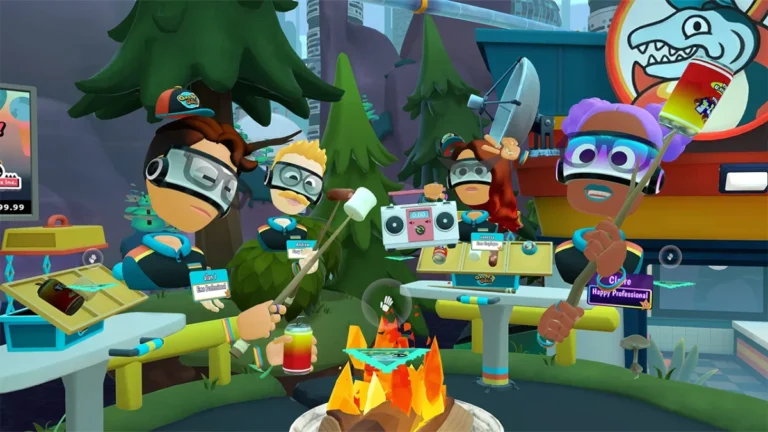
Netflix continues to refine its gaming value proposition with the release of Overcooked! All You Can Eat. This edition of the award-winning "couch co-op" series from Team 17 and Ghost Town Games is not merely a port; it serves as a showcase for Netflix’s evolving technological stack. A standout feature of this release is the ability to play on television screens while utilizing a smartphone or tablet as a dedicated controller, bypassing the need for traditional console hardware.
To further incentivize its subscriber base, the Netflix edition includes exclusive crossover content, featuring playable characters from the hit series Stranger Things and KPop Demon Hunters. This cross-media synergy is a hallmark of Netflix’s gaming strategy, aimed at converting viewers into players. The release of Overcooked! on the platform also signals Netflix’s commitment to "party games," a genre that thrives on local and online multiplayer, potentially increasing the daily active user (DAU) metrics for the Netflix mobile app.
The Evolution of Hybrid-Casual: Habby’s Dicero
Habby, the publisher credited with popularizing the "hybrid-casual" genre through hits like Archero and Survivor.io, has initiated a soft launch for its latest project, Dicero. The game is currently available in Vietnam, Singapore, and Thailand. Dicero is described as a casual roguelite adventure, a genre Habby has mastered by combining simple control schemes with deep meta-progression systems.
The choice of Southeast Asian markets for the soft launch is a calculated move. Vietnam and Thailand are high-growth regions for mobile gaming, offering a massive pool of "power users" who provide essential feedback on gameplay loops. Dicero appears to build upon Habby’s established formula of "easy to pick up, hard to put down" mechanics, likely utilizing a combination of ad-based and in-app purchase (IAP) monetization. Success in these territories will likely dictate the timing of a Western release.
Sega and Rovio’s Web-First Strategy for Angry Birds Friends
In a move that reflects the industry’s growing interest in bypassing traditional app store fees and improving accessibility, Rovio—now a subsidiary of Sega—has launched a web-based version of Angry Birds Friends. This version promises faster loading times and refined controls optimized for desktop browsers, all while maintaining a "no ads" experience.
A critical feature of this launch is the implementation of full cross-platform progression. Players can seamlessly transition between their mobile devices and desktop browsers without losing their rank or tournament progress. This strategy aligns with Sega’s "Super Game" initiative, which emphasizes multi-platform availability and long-term community engagement. By providing a high-quality web alternative, Rovio is also insulating itself against the fluctuating policies of mobile storefronts, ensuring that its flagship IP remains accessible to the widest possible audience.

Heritage IP and the Premium Mobile Market: Tomb Raider and Arranger
The premium mobile segment saw a significant boost this week with the shadowdrop of Tomb Raider I-III Remastered by Aspyr Media. Released on iOS, Android, and the Nintendo Switch 2, these reworked classics bring the foundational adventures of Lara Croft to modern mobile hardware with updated graphics and refined control schemes. The mobile release coincided with a "challenge mode" update for existing PC and console versions, demonstrating a unified approach to franchise management.
Simultaneously, the adventure puzzler Arranger: A Role-Puzzle Adventure has transitioned from a Netflix exclusive to a standalone premium title on iOS and Android. Priced at $9.99, this release by Furniture & Mattress tests the appetite for high-quality, one-time-purchase indie games on mobile. As many mobile gamers express "subscription fatigue," the availability of acclaimed titles like Arranger as standalone purchases provides an alternative for players who prefer ownership over access.
Market Testing and Niche Dominance: Logic Match and Ball x Pit
Miniclip, through its subsidiary Easybrain, has soft-launched Logic Match – Puzzle Game in the United States, India, and Puerto Rico. As a leader in the puzzle space, Miniclip’s entry into visual grid-clearing puzzles suggests a move to capture the "brain training" demographic that has proven highly lucrative in the US market.
On the indie front, Devolver Digital has brought Ball x Pit to mobile platforms following its successful run on PC and consoles. Described as a "brick-breaking, ball-fusing, base-building survival roguelite," the game represents the trend of genre-mashing. Devolver’s involvement ensures a high level of polish and a unique aesthetic, catering to mobile gamers looking for experiences that deviate from standard match-3 or battle royale templates.
Chronology of Upcoming Releases and Pre-registrations
The upcoming weeks are set to maintain this momentum with several high-profile launches:
- 9 Kings (Playdigious): This roguelike kingdom builder, originally published by Hooded Horse, is currently open for pre-registration on Google Play. It is slated for a full mobile and PC (via Google Play Games) release later this year.
- Goritaire (Arc System Works): The developers behind the Guilty Gear series are venturing into the casual space with a gorilla-themed solitaire title. The game is scheduled for a multi-platform launch on March 19, encompassing mobile, console, and PC.
- Darklord: Vampire Survival (Coregames): Capitalizing on the "vampire survival" craze initiated by titles like Vampire Survivors, this dark fantasy ARPG is set for an Android launch on March 26, with an iOS version to follow.
- Meg’s Monster (Odencat): This emotionally driven adventure RPG will conclude its journey from console to mobile with a scheduled release in May, three years after its initial debut.
Broader Industry Implications and Analysis
The current wave of releases illustrates several key trends in the $90 billion mobile gaming industry. First, the "PC/Console-to-Mobile" pipeline is accelerating. Publishers are no longer viewing mobile as a secondary platform for "lite" versions of their games but as a primary destination for full remasters and feature-complete ports. The release of Tomb Raider I-III Remastered is a testament to the increasing graphical and processing power of modern smartphones.
Second, the "Netflix Effect" is reshaping how premium games are discovered. By acting as a temporary incubator for titles like Arranger, Netflix allows developers to build a following before moving to a traditional premium model. This "windowing" strategy—similar to how films move from theaters to streaming to digital purchase—could become a standard path for indie developers.
Third, the dominance of roguelite mechanics continues to permeate almost every genre. From Habby’s Dicero to Devolver’s Ball x Pit, the roguelite structure—characterized by randomized runs and permanent upgrades—is ideally suited for mobile play sessions, providing the "one more round" hook that drives long-term retention.
Finally, the move toward web-based play, as seen with Angry Birds Friends, suggests a growing tension between developers and the "walled gardens" of the Apple App Store and Google Play Store. As developers seek to maximize margins, providing high-quality browser-based experiences may become a vital tool in their distribution arsenal.
As the first quarter of the year concludes, the mobile gaming sector remains a primary engine of innovation and revenue in the broader interactive entertainment industry. The mix of high-fidelity remasters, innovative indie ports, and strategic soft launches indicates a market that is both maturing and aggressively seeking new ways to engage a global audience of billions.
About the Author