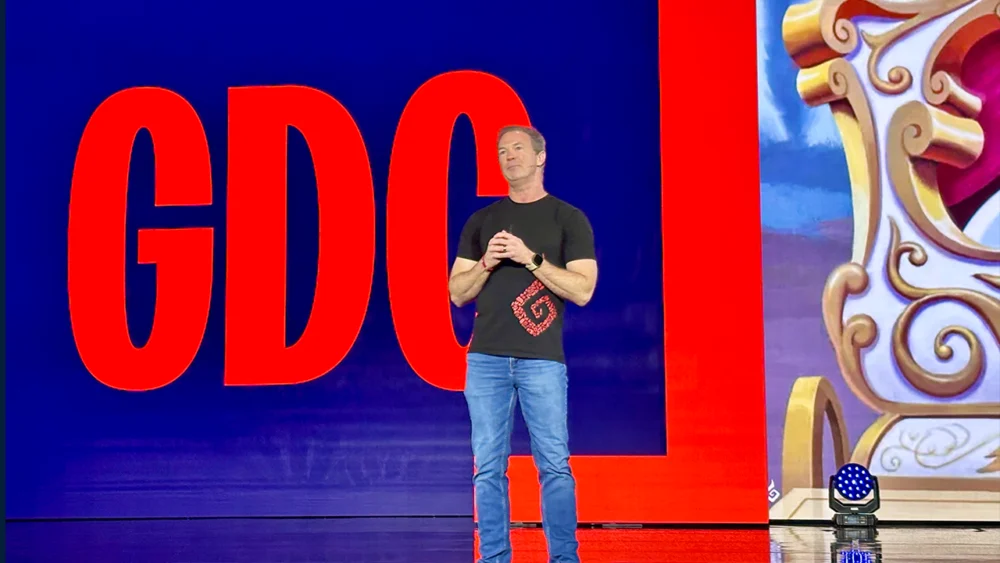
San Francisco, CA – Veteran game developer and Bonfire Studios co-founder Rob Pardo, a luminary known for his instrumental role in shaping iconic franchises such as StarCraft, World of Warcraft, and Diablo during his extensive tenure at Blizzard Entertainment, delivered a compelling keynote address at the GDC Festival of Gaming on March 12, 2026. Addressing a packed auditorium of industry professionals, Pardo posited that "love" – specifically, a development team’s profound affection for the game they are creating – stands as perhaps the single most critical and often overlooked milestone in the entire development cycle, serving as a powerful predictor of a project’s eventual triumph.
Pardo’s insights emerged from decades spent navigating the complex and often arduous landscape of game production. His address transcended typical discussions of technical prowess, market analysis, or budget management, instead delving into the more intangible, yet deeply impactful, human element of creation. He meticulously articulated that amidst the myriad metrics and checkpoints involved in bringing a game to fruition, there exists a distinct, almost unmistakable signal indicating when a project is truly poised for commercial and critical acclaim. This signal, he explained, is the point at which the creative team’s engagement transforms from professional duty into genuine, passionate devotion.
The GDC Festival of Gaming: A Nexus for Industry Revelation
The GDC Festival of Gaming, an integral component of the broader Game Developers Conference ecosystem, is renowned as a premier global platform for professionals to exchange ideas, showcase innovations, and dissect the evolving challenges and opportunities within the interactive entertainment sector. Held annually, the festival typically draws thousands of attendees, ranging from independent developers and aspiring students to seasoned executives and lead designers from the world’s largest studios. Keynote speakers like Pardo are carefully selected for their profound influence and ability to offer transformative perspectives, often setting the tone for industry discourse in the year ahead. Pardo’s presence underscored the event’s commitment to fostering thought leadership and pushing the boundaries of conventional development wisdom. His address on "love" resonated deeply within a community often grappling with issues of burnout, creative compromise, and the relentless pressure to deliver successful products in an increasingly competitive market.
Pardo’s "Love" Hypothesis: The Unmistakable Sign of Success
During his keynote, Pardo recounted a recurring interaction with members of the press, who frequently inquire about the secret formula for predicting a game’s success. His standard response, he revealed, points not to market trends or technological breakthroughs, but to an internal phenomenon within the development team itself. "I’ll tell them invariably," Pardo explained, "there’s always this point in the development process where the team starts extending playtests and they end up loving playing the game almost more than making the game itself." This pivotal moment, he stressed, serves as one of the "truest measures" of a project’s latent potential. Conversely, Pardo offered a stark counterpoint: "I’ll tell you, on those games that [I’ve worked on] that ended up getting cancelled, they never were able to reach that milestone." This observation, grounded in extensive firsthand experience, lends significant weight to his hypothesis, suggesting that the absence of this collective passion is a red flag, often preceding project termination.
The veteran designer elaborated that "something special happens" when a team collectively shifts its focus and interest towards actively playing their own creation above all other available entertainment. This phenomenon is particularly telling, he noted, given the vast library of polished, finished titles available for developers to play in their downtime. The decision to continually engage with their own in-progress work, even beyond what is required for testing, signifies a profound emotional and intellectual investment that transcends mere professional obligation.
The Virtuous Cycle of Passionate Development
Pardo meticulously detailed the positive feedback loop that ensues once a team falls in love with its game. "What happens is we start seeing this virtuous cycle," he described, "because the development team is now not only playing their favorite game, but they get to make it better every single day. They really become obsessed with improving it." This obsession is not a burden but a source of immense motivation. Developers, driven by their genuine enjoyment, begin to experiment with new ideas, pushing creative boundaries and discovering unforeseen potential within their project. Pardo painted a vivid picture of this passion, noting, "maybe you even see developers on the team get genuinely upset when they miss a playtest." This level of emotional attachment, he argued, is a clear indicator of a healthy, vibrant development environment.
Ultimately, Pardo’s core message was unequivocal: "The most important milestone in development is when a team deeply falls in love with the game they’re making. In my opinion, if developers don’t love playing the game, it’s kind of hard to imagine players eventually loving the game either." This statement underscores a fundamental truth about creative endeavors: authentic passion is contagious. It is the fuel that drives innovation, attention to detail, and the relentless pursuit of excellence that players ultimately recognize and appreciate. Without this internal flame, a project risks feeling sterile, uninspired, and ultimately, forgettable.
From Chasing Trends to Authentic Creation
A critical implication of Pardo’s "love" philosophy is the transformative effect it has on a team’s creative direction. He explained that at this inflection point, a team ceases to be solely driven by market research, audience demographics, or the perceived desires of the player base. Instead, they pivot towards building something they genuinely believe in, a game that excites and fulfills them personally. This shift towards authentic creation, Pardo stressed, is the ultimate magnetic force that will "ultimately reel players in." In an industry often accused of prioritizing monetization and iterative sequels over genuine innovation, Pardo’s call for authenticity resonates as a powerful counter-narrative, advocating for development driven by intrinsic motivation and creative integrity. The commercial success of many beloved titles, from Minecraft to Stardew Valley to The Legend of Zelda: Breath of the Wild, often traces back to a core team’s passionate vision that resonated deeply with players precisely because it felt genuine.
Rob Pardo’s Illustrious Career: A Testament to Passion-Driven Design
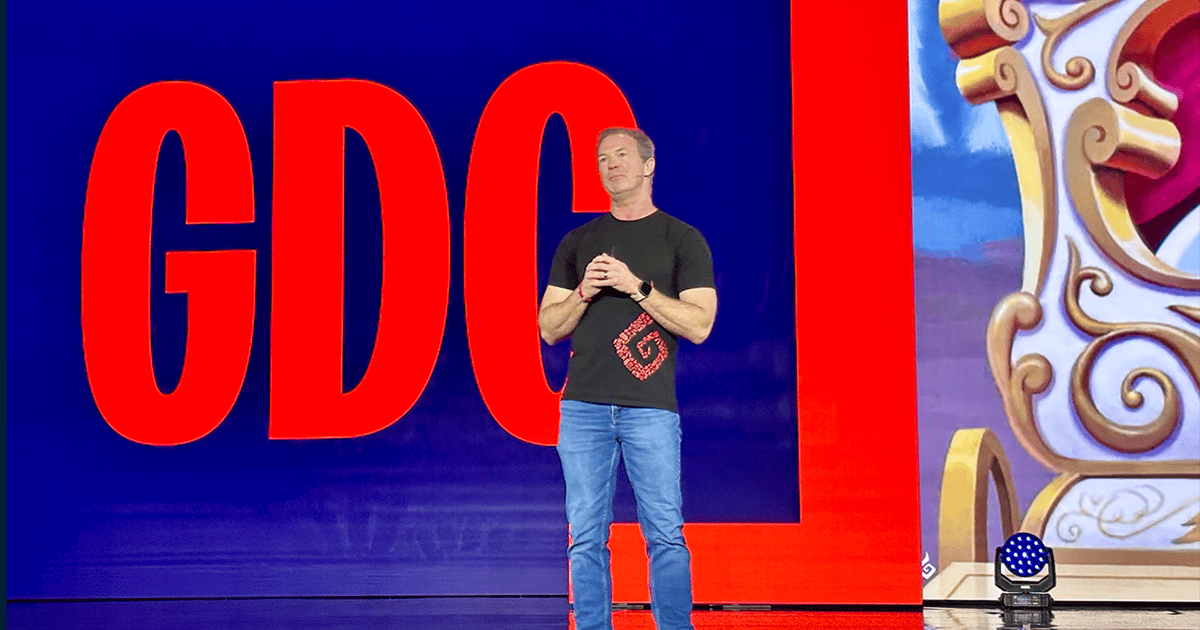
Rob Pardo’s insights carry significant weight, stemming from a career that has profoundly influenced the landscape of modern gaming. Joining Blizzard Entertainment in 1998, Pardo rapidly ascended through the ranks, demonstrating an exceptional aptitude for game design and leadership. He began as a senior designer, contributing to the development of StarCraft, a real-time strategy masterpiece that not only achieved massive commercial success but also laid the groundwork for competitive esports. His contributions to Warcraft III: Reign of Chaos further solidified his reputation, particularly for its innovative blend of real-time strategy and role-playing elements, and its groundbreaking in-game editor that fostered a vibrant modding community.
However, it was his role as the lead designer for World of Warcraft (WoW) that cemented his legendary status. Launched in 2004, WoW became a global cultural phenomenon, redefining the massively multiplayer online role-playing game (MMORPG) genre and maintaining millions of subscribers for well over a decade. Its intricate world-building, engaging questlines, and innovative social mechanics were, in large part, a reflection of Pardo’s vision and the collective passion of his development team. He later served as Vice President of Game Design and then Chief Creative Officer at Blizzard, overseeing the creative direction of multiple blockbuster titles, including Diablo III, which shattered sales records upon its release in 2012.
After nearly two decades at Blizzard, Pardo co-founded Bonfire Studios in 2016, embarking on a new venture aimed at fostering a culture of creative freedom and smaller, more agile development. This transition underscored his enduring commitment to the craft of game making and his belief in the power of dedicated, passionate teams. His career trajectory, marked by a consistent string of critically acclaimed and commercially successful titles, provides a robust empirical foundation for his "love" hypothesis. His experience demonstrates that deep personal investment and a genuine connection to the creative process are not merely desirable traits but essential ingredients for groundbreaking innovation and enduring player engagement.
Broader Industry Implications and Supporting Data
Pardo’s keynote extends beyond a simple anecdote; it offers profound implications for the game development industry at large, particularly concerning team dynamics, project management, and player satisfaction.
Combating Developer Burnout and Fostering Retention: The gaming industry is notoriously susceptible to high rates of developer burnout, with demanding schedules, crunch times, and intense pressure often leading to mental health challenges and high employee turnover. A 2022 survey by the International Game Developers Association (IGDA) indicated that over 50% of developers reported experiencing crunch, and job satisfaction, while generally high, was often tempered by concerns over work-life balance. Pardo’s philosophy suggests that fostering a deep love for the project could be a powerful antidote. When developers are genuinely passionate about their work, the lines between work and leisure blur in a healthy way, transforming effort into a labor of love rather than a burdensome task. This intrinsic motivation can significantly improve morale, boost productivity, and contribute to higher retention rates, creating more stable and experienced teams.
Mitigating Project Failure Rates: Game development is a high-risk venture, with a significant percentage of projects either cancelled before release or failing to meet commercial expectations. Industry analyses frequently cite lack of clear vision, poor team cohesion, and misaligned expectations as primary causes for failure. Pardo’s "love" milestone could serve as an early warning system. If a team consistently fails to reach that point of shared passion, it might signal deeper issues with the game’s core concept, its mechanics, or the team’s ability to execute. This early identification could allow studios to pivot, re-evaluate, or even gracefully cancel projects before significant resources are wasted, thus improving overall portfolio success rates.
Enhancing Player Engagement and Loyalty: The direct correlation Pardo draws between developer love and player love is critical. Players are increasingly discerning, seeking authentic experiences that resonate on an emotional level. Games developed with genuine passion often exude a certain polish, creativity, and attention to detail that is difficult to replicate through mere technical proficiency or market-driven design. Titles like Hollow Knight, Celeste, or Disco Elysium, often cited for their deep artistic integrity and player connection, are widely understood to be products of immense developer passion. This passion translates into rich gameplay, compelling narratives, and innovative mechanics that foster deep player engagement and long-term loyalty, creating communities around games that feel truly special.
Navigating Creative Autonomy Versus Corporate Pressure: Pardo’s message implicitly challenges the prevailing industry trend of prioritizing commercial viability and investor expectations over creative freedom. Fostering a development environment where "love" can blossom often requires a degree of creative autonomy and trust in the development team’s vision. This can create tension with corporate structures focused on strict deadlines, budget adherence, and meeting predetermined market demands. Companies that embrace Pardo’s philosophy may need to rethink their project management strategies, allowing for more iterative design, extended playtesting, and a willingness to follow the creative impulses of their teams, even if it means deviating from initial plans. The success of studios known for empowering their creative leads, such as Nintendo or Valve, offers a compelling argument for this approach.
Alignment with Agile Methodologies and Iterative Design: Pardo’s emphasis on extended playtests and continuous improvement aligns perfectly with modern agile development methodologies. Agile frameworks, which prioritize iterative development, continuous feedback, and adaptive planning, inherently create environments where teams are constantly interacting with and refining their product. This iterative process, coupled with Pardo’s "love" principle, can transform testing from a mere QA function into a joyful, exploratory process, driving organic improvements and fostering a deeper connection between developers and their game.
Related Industry Perspectives: Pardo’s keynote is not an isolated thought but contributes to a growing discourse within the industry about sustainable development practices, creative integrity, and the future of game design. Other GDC sessions, such as Microsoft lifting the lid on "Project Helix" at the same festival, often highlight the technological advancements shaping the future. However, Pardo’s address reminds the community that technology is merely a tool; the human element of passion, creativity, and connection remains paramount. Many industry veterans and independent developers have long championed similar ideas, recognizing that the most successful and beloved games often emerge from a place of genuine enthusiasm and dedication. Pardo’s unique position and track record simply provide a louder, more authoritative voice to this essential truth.
Conclusion: Love as the Ultimate Measure
Rob Pardo’s keynote at the GDC Festival of Gaming served as a potent reminder that at the heart of every great video game lies not just code and graphics, but the collective passion and dedication of its creators. His "love" hypothesis offers a compelling, human-centric metric for predicting success, one that transcends spreadsheets and market forecasts. By advocating for a development culture where teams are encouraged, and indeed enabled, to fall deeply in love with their creations, Pardo has articulated a philosophy that promises not only more successful games but also a more fulfilling and sustainable creative environment for the thousands of professionals who dedicate their lives to this dynamic art form. In an industry constantly evolving, the enduring power of genuine affection for one’s craft, as articulated by Pardo, might just be the most reliable compass for navigating towards true innovation and lasting impact.
About the Author