Halfbrick Studios, the prominent Australian video game developer and publisher behind global hits such as Fruit Ninja and Jetpack Joyride, has confirmed a significant reduction in its workforce, affecting 41 employees across its Australian operations and international engagements. The Brisbane-based company, which has been a cornerstone of the Australian interactive media sector for over two decades, announced the redundancies via a public statement on LinkedIn, citing a "challenging period" for the global games industry and a need to align the organization with new strategic priorities. This move represents a substantial downsizing for the studio and reflects a broader trend of contraction and restructuring currently sweeping through the international gaming landscape.
The layoffs encompass a mix of full-time staff based in Australia and the termination of several international contracts, signaling a consolidated effort to lean into a more focused operational model. According to official communications from the company, the decision was not based on individual performance but was instead a byproduct of a shifting business landscape that necessitated "hard choices" regarding the studio’s future trajectory. While the company has not specified which departments were most affected, industry analysts suggest that such restructures often impact quality assurance, community management, and marketing roles as studios pivot toward automated systems or streamlined development cycles.
A Chronology of Halfbrick’s Evolution and Strategic Pivots
Founded in 2001 by Shainiel Deo, Halfbrick Studios initially operated as a work-for-hire developer, creating titles for licensed properties on handheld consoles like the Game Boy Advance and Nintendo DS. However, the studio’s trajectory changed permanently in 2010 with the release of Fruit Ninja. The game became a cultural phenomenon, leveraging the nascent touchscreen technology of the iPhone to reach hundreds of millions of players. This success was followed closely by Jetpack Joyride in 2011, which solidified Halfbrick’s reputation as a premier developer of "pick-up-and-play" mobile experiences.
Over the subsequent decade, the mobile gaming market underwent a radical transformation. The industry shifted from premium, one-time-purchase models to aggressive "free-to-play" (F2P) mechanics driven by in-app purchases (IAPs) and advertising revenue. Halfbrick navigated this transition with varying degrees of success, maintaining its legacy titles while experimenting with new IPs like Dan the Man and Monster Dash.
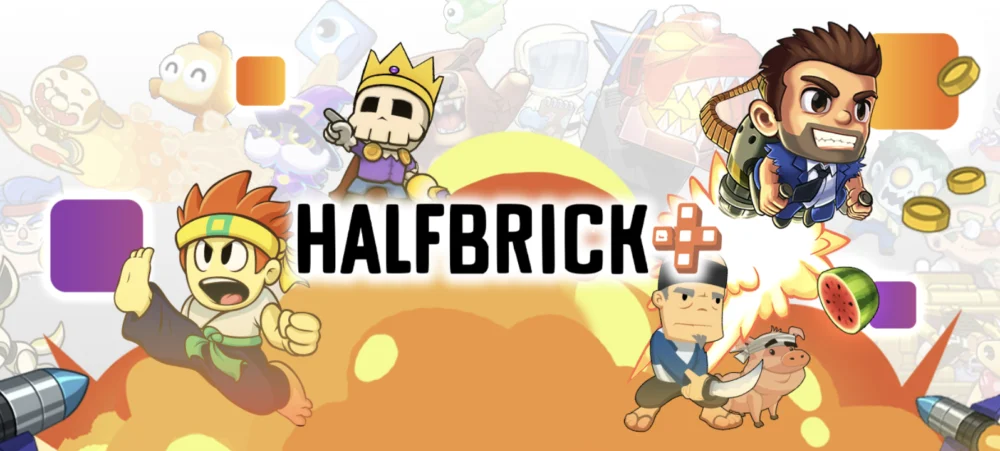
By 2023, the studio identified a growing fatigue among players regarding intrusive monetization and ad-heavy mobile experiences. In response, Halfbrick announced a major strategic pivot: the launch of Halfbrick+. This subscription-based service offers a curated catalog of the studio’s games, entirely stripped of advertisements and in-app purchases. This move was intended to recapture the "pure" gaming experience of the early smartphone era while providing a stable, recurring revenue stream. In early 2024, the company further expanded this vision by announcing its intention to sign and publish third-party games under the Halfbrick+ umbrella, effectively positioning itself as a boutique alternative to services like Apple Arcade and Netflix Games.
The Context of Global Gaming Industry Instability
The layoffs at Halfbrick do not occur in a vacuum. The year 2023 and the first half of 2024 have been marked by unprecedented volatility in the video game industry. Following a period of rapid expansion and record-breaking revenues during the COVID-19 pandemic, the market has entered a correction phase. High interest rates, a slowdown in consumer spending, and the rising costs of game development have forced even the largest conglomerates to reconsider their headcount.
According to industry trackers, more than 10,000 gaming industry workers were laid off globally in 2023, and that number has already been eclipsed in 2024. Major players such as Electronic Arts, Sony Interactive Entertainment, Microsoft’s gaming division, and Unity have all announced thousands of redundancies. For a mid-sized independent studio like Halfbrick, these macro-economic pressures are compounded by the specific challenges of the mobile market. Changes to Apple’s App Tracking Transparency (ATT) framework have made user acquisition more expensive and less precise, forcing developers to find new ways to reach audiences without the massive marketing budgets of the previous decade.
Official Statements and Internal Responses
The leadership at Halfbrick has emphasized a commitment to handling the transition with "care and respect." In the official LinkedIn announcement, the company stated: "This was not a decision we made lightly. Like many studios, we are navigating a challenging period for the games industry, and we’ve had to make some hard choices about how we move forward. These changes are driven by organizational and strategic priorities, not individual performance."
The company’s focus is reportedly on supporting the 41 individuals as they exit the studio. Eli Hodapp, the Product Manager for Halfbrick+, took to social media to advocate for his departing colleagues, highlighting their talent and contribution to the studio’s recent milestones. Hodapp noted that the impacted staff are "talented, good people" and urged other hiring managers in the industry to reach out for introductions and references. "We want them to land somewhere great as quickly as possible," Hodapp added, signaling a supportive internal culture despite the difficult financial realities.
Recent Launches and the Path Forward
Despite the reduction in staff, Halfbrick remains active in the market. The studio recently launched Bluey’s Quest for The Gold Pen on iOS and Android. This title is a significant milestone for the company, as it leverages the "Bluey" IP—a global juggernaut in children’s entertainment that also originated in Brisbane. The game is scheduled for future releases on PC and consoles, representing Halfbrick’s continued effort to diversify its platform presence beyond mobile devices.
The success of the Halfbrick+ subscription model remains central to the company’s survival strategy. By moving away from the "whaling" mechanics of traditional F2P games—where a small percentage of players provide the bulk of revenue through IAPs—Halfbrick is betting on a broader, more sustainable base of subscribers who value a curated, high-quality experience. However, the transition to a service-based model requires a different organizational structure, often prioritizing backend engineering, platform maintenance, and third-party relations over the large-scale creative teams required for high-volume game production.
Analysis of Implications for the Australian Games Sector
The layoffs at Halfbrick serve as a sobering reminder of the fragility of the Australian games industry, which has seen both significant growth and sharp contractions over the last twenty years. While the Australian government has introduced the Digital Games Tax Offset (DGTO)—a 30% refundable tax offset for eligible games—to attract international investment and support local studios, the global economic climate remains a dominant factor.
Halfbrick has long been seen as a success story for the Queensland tech sector. The loss of 41 roles is not merely a corporate statistic; it represents a loss of specialized talent within the local ecosystem. There is a risk that these highly skilled developers, artists, and producers may leave the industry entirely or relocate to international hubs in North America or Europe, leading to a "brain drain" that could hinder future innovation in the Australian scene.
However, some industry observers suggest that such layoffs often lead to the birth of new independent "indie" studios. Many of the most successful Australian games of recent years, such as Unpacking or Cult of the Lamb, were developed by small teams, some of whom emerged from the restructuring of larger entities. The 41 individuals departing Halfbrick possess deep experience in mobile optimization and global publishing, which could seed the next wave of Australian gaming startups.
Conclusion and Future Outlook
Halfbrick’s decision to cut nearly 20% of its estimated workforce highlights the ruthless efficiency required to survive in the current mobile gaming market. As the studio doubles down on its Halfbrick+ service and the Bluey license, the industry will be watching closely to see if a subscription-first model can sustain a studio of its size without the traditional reliance on microtransactions.
For now, the priority remains the welfare of the displaced staff. The outpouring of support from the global development community suggests that while the industry is in a period of painful contraction, the demand for high-level talent remains. Halfbrick’s journey from a small work-for-hire shop to a global powerhouse, and now to a leaner, service-oriented publisher, mirrors the broader evolution of the digital entertainment world—a world where adaptability is the only constant.
As the studio moves forward with a reduced headcount, the success of its upcoming console ports and its ability to attract third-party developers to its subscription platform will determine whether this "hard choice" leads to a sustainable new chapter or further consolidation. The story of Halfbrick is far from over, but the events of this week mark a definitive and difficult turning point in the history of one of Australia’s most celebrated creative exports.
About the Author