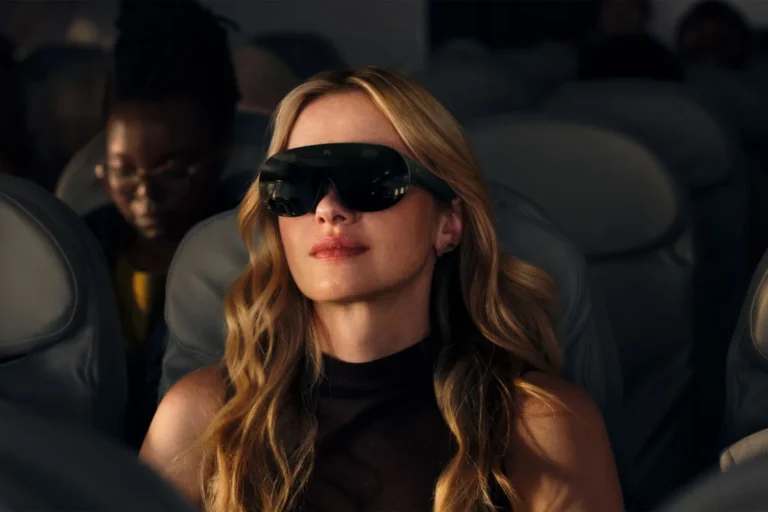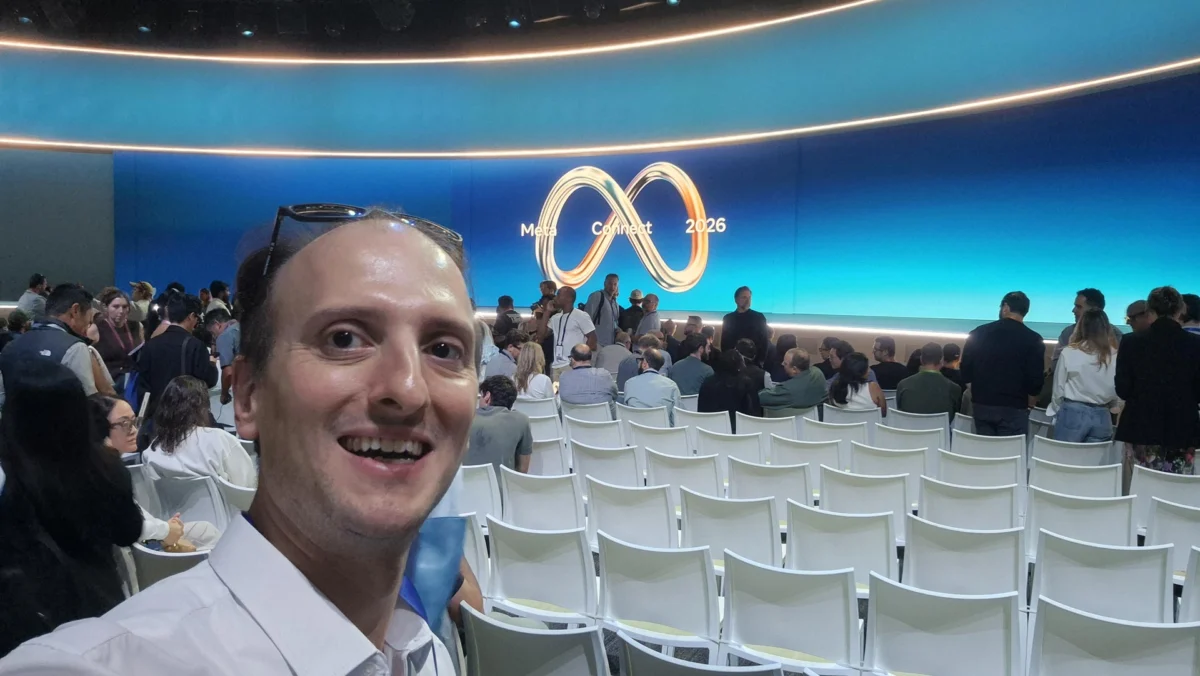
The 2026 Meta Connect conference has concluded in Mountain View, California, signaling a strategic pivot in the extended reality (XR) industry. The event, which serves as the primary stage for Meta’s hardware and software roadmaps, focused heavily on the transition from traditional, bulky virtual reality (VR) headsets to lightweight "VR Glasses" and sophisticated smart eyewear. This shift reflects a broader industry trend toward all-day wearability and the integration of artificial intelligence (AI) into daily consumer hardware.
The Introduction of Meta VR Glasses
The centerpiece of the keynote was the official unveiling of the Meta VR Glasses. Designed to bridge the gap between the high-performance Quest 3 and the sleek Ray-Ban Meta smart glasses, this new device prioritizes form factor and visual fidelity. Scheduled for a Spring release with a retail price of $1,300, the glasses represent Meta’s most aggressive attempt to capture the high-end consumer market currently occupied by the Apple Vision Pro.
Technically, the Meta VR Glasses boast several significant advancements. The device features high-resolution displays with vivid color reproduction and utilizes integrated hand-and-eye tracking as the primary interaction method. Early hands-on reports from the event indicate that while the device is exceptionally lightweight, it utilizes a "scripted" software environment for initial demonstrations. A notable hardware compromise is the field of view (FOV), which is reportedly more limited than that of the Quest series, positioning the device more as a media consumption and productivity tool rather than a dedicated high-end gaming peripheral.

Strategic Market Positioning and "Holograms"
Meta also introduced "Holograms," a refined iteration of the long-rumored Codec Avatars. These ultra-realistic digital representations are intended for use in mixed reality meetings and video calls. However, technical analysis revealed that these are not full volumetric videos but rather 2.5D stereoscopic "billboards." While they offer a high degree of realism when viewed from the front, the illusion of depth diminishes as the user moves laterally.
The pricing of the Meta VR Glasses at $1,300 has sparked significant debate within the industry. Analysts suggest this is a direct challenge to Apple’s Vision Pro, offering a similar spatial computing experience at approximately one-third of the cost. Despite this, $1,300 remains a premium price point for the average consumer, raising questions about the device’s ability to achieve mass-market penetration compared to the more affordable Quest 3S.
Developer Keynote and Ecosystem Health
During the subsequent developer-focused keynote, Meta leadership provided updates on the software ecosystem. Notably absent from the presentation were specific figures regarding store revenue or the total number of active applications. Industry observers noted this omission as a potential indicator of slowing growth within the Meta Quest Store.
To stimulate development, Meta announced the "Meta Start" competition, featuring a $1 million prize pool for developers creating innovative experiences for the new VR Glasses. In a brief exchange following the keynote, Meta Chief Technology Officer Andrew Bosworth indicated that the Quest 3S has maintained a steady sales trajectory, though it has not significantly outperformed the standard Quest 3, suggesting a stabilization in the VR hardware market.

The Evolution of Smart Glasses: Ray-Ban Meta and Competitors
The Ray-Ban Meta Display smart glasses are now moving into an international launch phase. These glasses, which focus on audio and AI integration rather than immersive visuals, have become a surprise success for the company. Mark Zuckerberg addressed concerns regarding privacy and the social stigma of "camera-equipped" eyewear, asserting that the development of audio-centric glasses was a long-term strategic move rather than a reaction to public criticism.
The smart glasses sector is seeing increased competition. Viture recently announced the "Vonder" glasses, an audio-only wearable priced at $299. Like Meta’s offerings, Viture emphasizes privacy and all-day comfort. Additionally, specialized hardware continues to emerge, such as the AREX ONE, an augmented reality dive mask that recently secured over $500,000 in crowdfunding. This indicates a growing niche market for AR in extreme environments and professional sports.
Competitive Landscape: Apple’s Future Roadmap
In response to Meta’s announcements, reports have surfaced regarding Apple’s long-term XR strategy. According to industry leaks, Apple is currently testing four prototypes for a Vision Pro successor. One design reportedly mirrors Meta’s approach by offloading computational units to an external "puck" or tethered device to reduce the weight of the headset. However, sources suggest that Apple has shifted its primary focus toward smart glasses, with the next iteration of the Vision Pro potentially delayed until 2028 or 2029. This timeline suggests a multi-year window where Meta may hold a significant lead in the lightweight XR glasses category.
Content and Gaming Pipeline
To support the launch of the VR Glasses, Meta confirmed that over 70 titles will be compatible at launch. Key highlights include:

- Beat Saber Flow: A specialized update to the rhythm game franchise featuring a new mode optimized for hand-tracking, removing the need for physical controllers.
- H3VR 2 (Hot Dogs, Horseshoes & Hand Grenades 2): One of the most anticipated VR sequels, scheduled for a November 12 release on Quest 3, with a PC VR version arriving in 2027.
- Supernatural Health: The fitness platform will receive an update to support the lighter form factor of the VR Glasses, emphasizing hand-tracked workouts.
- New Immersive Media: A new series featuring NBA champion Draymond Green will debut, utilizing the high-resolution capabilities of the new hardware.
Broader Impact and Industry Implications
The 2026 Meta Connect signals a transition period for the XR industry. The focus has moved away from "isolative" VR toward "integrated" XR. By emphasizing glasses that look and feel like traditional eyewear, Meta is attempting to overcome the social and ergonomic barriers that have historically limited VR adoption.
However, challenges remain. The high cost of specialized components, such as pancake lenses and micro-OLED displays, keeps the price of "prosumer" devices like the Meta VR Glasses high. Furthermore, the reliance on 2.5D "billboards" for avatars suggests that true, seamless telepresence is still technically out of reach for consumer-grade hardware.
The success of this new generation of devices will likely depend on the "Meta Start" developer initiative and the ability of the ecosystem to provide utility beyond gaming. As AI becomes more deeply integrated into these wearables—providing real-time translation, object recognition, and heads-up notifications—the value proposition of XR may finally move from a niche gaming hobby to an essential productivity tool. For now, the industry remains in a state of high-stakes experimentation, with Meta and Apple pursuing divergent timelines for the future of the face-worn computer.
About the Author