Edinburgh, Scotland – Build A Rocket Boy (BARB), the high-profile game development studio founded by former Rockstar North president Leslie Benzies, has confirmed a second significant round of job cuts within an eight-month period. This latest reduction in workforce comes amidst a tumultuous period for the studio, which has publicly attributed the rocky launch of its anticipated title, MindsEye, to "organised espionage and corporate sabotage," an extraordinary claim that has sent ripples across the global video game industry.
The announcement was made via a statement posted on LinkedIn by BARB chief executive Mark Gerhard, who confirmed the layoffs of an undisclosed number of employees. Gerhard’s statement went further, suggesting that the critical panning and general difficulties surrounding MindsEye‘s debut were not merely the result of typical development challenges or market competition. Instead, he painted a picture of deliberate malicious interference. "As leaders we take responsibility for the outcomes of our projects and the decisions that follow. At the same time, the launch period was affected by factors beyond normal operational challenges and a competitive environment," Gerhard wrote, before revealing the astonishing allegations. He elaborated, "Over the past months, we have been working with external partners and legal advisors to investigate the criminal activity that took place around our launch. That work has taken far longer than expected, but it has now resulted in overwhelming evidence of organised espionage and corporate sabotage affecting MindsEye. Because this matter is moving towards prosecution, we cannot share the full details publicly yet."
Gerhard stated that while the investigation progressed, the development team had "worked relentlessly" to support MindsEye. However, the prolonged impact of a difficult launch, exacerbated by these alleged external attacks, has necessitated further layoffs. This latest round follows an initial wave of redundancies in June 2025, which, while not officially quantified by BARB, was reported by IGN to potentially affect over 100 roles.
A Chronology of Turbulence: BARB’s Rocky Road
The journey of Build A Rocket Boy has been anything but smooth since its inception. Founded in 2016 by Leslie Benzies, a figure synonymous with the monumental success of the Grand Theft Auto series during his tenure as president of Rockstar North, BARB was envisioned as a new frontier for game development. Benzies’ departure from Rockstar was itself a high-profile affair, marked by legal disputes over royalties and his eventual settlement, paving the way for his independent venture. The gaming world watched with keen interest as he assembled a team, promising innovative projects that would push creative boundaries.
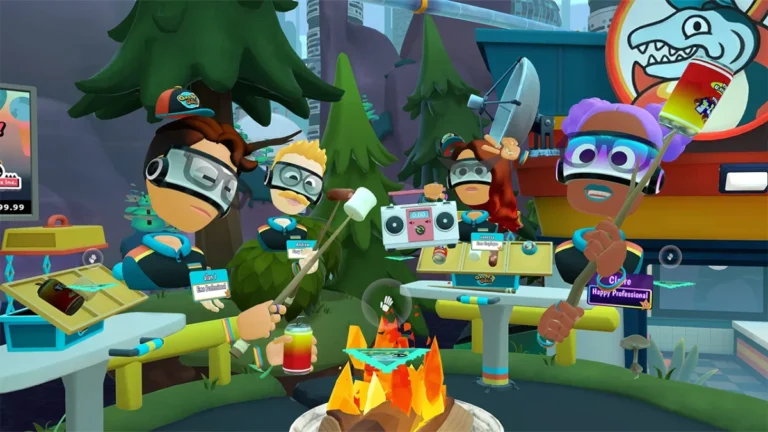
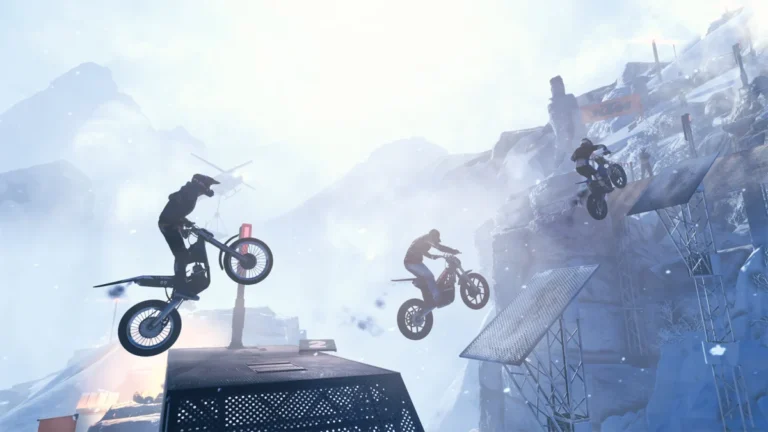
BARB initially garnered significant investor confidence, fueled by Benzies’ reputation and the ambition of its announced titles, Everywhere and later, MindsEye. Everywhere was touted as a multi-world game experience with a strong user-generated content component, while MindsEye emerged as a more traditional, narrative-driven action game, seemingly a spiritual successor to the types of experiences Benzies helped craft at Rockstar. Expectations were sky-high, positioning BARB as a potential new AAA powerhouse.
However, the studio began to exhibit signs of internal strife even before MindsEye‘s launch. A series of key executive departures from BARB in the weeks leading up to the game’s release raised initial concerns among industry observers. These exits, often a red flag in high-stakes development, foreshadowed the critical reception that MindsEye would soon face.
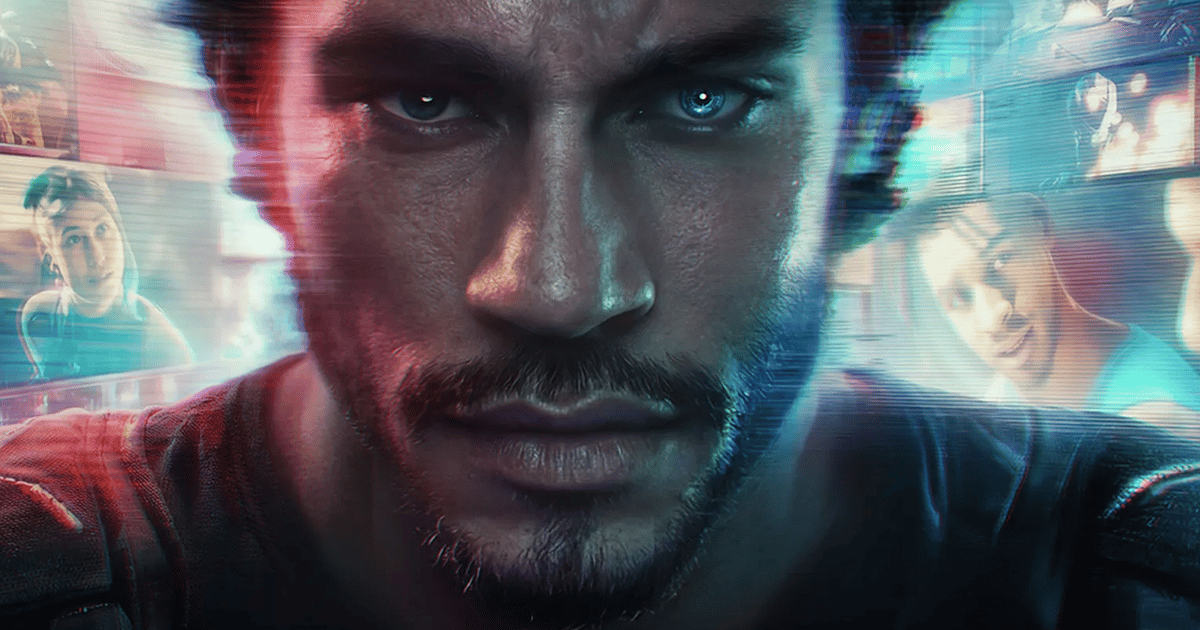
The launch of MindsEye itself was met with a lukewarm to negative critical response. Reviews frequently cited technical issues, uninspired gameplay mechanics, and a narrative that failed to resonate, a stark contrast to the genre-defining experiences Benzies was known for. While BARB has not publicly disclosed sales figures, the critical consensus suggested a commercial underperformance, setting the stage for the challenges that followed.
The first significant round of layoffs occurred in June 2025, barely months after MindsEye‘s debut. While BARB remained tight-lipped on specifics, reports from sources close to the studio indicated a substantial reduction in staff, potentially exceeding 100 employees. This initial cut underscored the financial pressures and strategic adjustments the studio was undertaking in the wake of the game’s reception.
The aftermath of these initial layoffs sparked further controversy. Months later, approximately 100 current and former BARB employees co-signed an open letter accusing studio leadership of "disastrous" mismanagement. The letter detailed allegations of pushing employees to work "unbearable levels of overtime," a phenomenon often referred to as "crunch," and asserted that the layoff process itself was mishandled, causing significant distress and uncertainty among staff. These allegations painted a picture of a challenging internal culture, contrasting sharply with the studio’s public image.
Adding another layer to the growing list of controversies, in February of this year, BARB faced accusations of installing surveillance technology on work machines without the explicit knowledge or consent of its employees. Such practices raise serious ethical questions regarding employee privacy and data protection, particularly in jurisdictions with stringent regulations like the UK and the European Union’s GDPR. This incident further eroded trust between the studio and its workforce, exacerbating an already tense environment.
The Unprecedented Claim of Corporate Sabotage
The most recent and perhaps most sensational development is CEO Mark Gerhard’s claim of "organised espionage and corporate sabotage." While the specific details remain under wraps due to ongoing legal proceedings, the implications of such an accusation are profound for the video game industry. Corporate espionage in the tech sector can manifest in various forms, including:
- Intellectual Property Theft: Unauthorized access to proprietary code, game assets, design documents, or marketing strategies.
- Data Breaches: Compromising sensitive internal data, employee information, or player data.
- Malicious Interference: Introducing bugs or vulnerabilities into game code, disrupting servers, or orchestrating denial-of-service attacks during critical launch periods.
- Reputational Damage: Spreading false information, orchestrating negative review campaigns, or manipulating public perception through covert means.
The accusation points to a deliberate, coordinated effort to undermine MindsEye‘s launch and BARB’s operations. Such claims are rare in the public discourse of major game studios, typically confined to the realm of industrial secrets or legal battles between tech giants. For BARB to go public with such an assertion suggests they possess substantial evidence, which they claim to be "overwhelming." The decision to pursue prosecution indicates a serious commitment to addressing these alleged criminal activities, but it also opens the studio to intense scrutiny and potential counter-claims.
Broader Industry Context and Implications
BARB’s struggles are unfolding against a backdrop of a challenging period for the wider video game industry. The years 2023 and 2024 saw unprecedented waves of layoffs across numerous studios, from indie developers to established AAA publishers. Economic downturns, post-pandemic market corrections, over-hiring during the boom years, and rising development costs have all contributed to a climate of austerity and restructuring. Companies like Unity, Epic Games, Embracer Group, and countless others have all announced significant job cuts, indicating a sector grappling with financial pressures. BARB’s repeated layoffs, while stemming from unique internal and alleged external factors, are nonetheless symptomatic of a broader industry trend of contraction.
The claims of espionage and sabotage, if proven, could set a dangerous precedent, highlighting new vulnerabilities for game developers in an increasingly competitive and high-stakes environment. The legal battle that is presumably ensuing will be closely watched, not only for its impact on BARB but for its potential to reshape how companies protect their intellectual property and manage product launches in the face of sophisticated threats.
For the employees, both those laid off and those remaining, the situation is particularly dire. Beyond the immediate impact of job loss, the allegations of mismanagement, crunch, and workplace surveillance create an environment of distrust and uncertainty. The open letter from former and current employees underscores a human cost often overlooked in corporate narratives. These concerns about workplace culture, combined with the legal drama, make BARB a complex case study in modern game development.
The Road Ahead for Build A Rocket Boy
The future of Build A Rocket Boy appears precarious. Even with "overwhelming evidence" of sabotage, the studio faces the daunting task of simultaneously navigating legal battles, rebuilding its reputation, and either salvaging MindsEye or shifting focus to other projects. The financial strain of prolonged legal proceedings, coupled with the costs associated with repeated layoffs and a critically underperforming game, will undoubtedly test the studio’s resilience. Investor confidence, a crucial lifeline for ambitious ventures like BARB, will likely be shaken by the ongoing controversies and the unprecedented nature of the sabotage claims.
The gaming community, analysts, and prospective employees will be observing BARB’s trajectory with a mix of curiosity and caution. The outcome of the legal actions and the studio’s ability to transparently address its internal challenges will largely determine whether Build A Rocket Boy can overcome these formidable obstacles and fulfill the ambitious vision once championed by its renowned founder, Leslie Benzies. Until then, the saga of MindsEye and its developer remains a dramatic unfolding narrative in the high-stakes world of video game creation.
About the Author